

Your twenties? Wild ride. Money feels like both a ticket to freedom and a trapdoor. I remember getting that first real paycheck—felt like I’d made it, but honestly, I had no clue what I was doing.
Nobody sat me down to warn me about the pitfalls ahead. If only someone had! Turns out, a lot of my headaches could’ve been sidestepped with a little more knowledge and, yeah, some planning.
Most people in their twenties mess up with money because they skip budgeting, ignore emergency savings, misuse credit, or put off investing. These mistakes? They haunt you for years, but you can totally dodge them.

I learned all this the hard way. You don’t have to. Here’s the stuff that cost me thousands—and how you can do better. The habits you build now? They’ll shape your financial life for decades.
Key Takeaways
- Start a budget and emergency fund early—it’ll save you from so much stress (and debt)
- Handle debt smartly and treat credit with respect; it’ll build your wealth, not wreck it
- Begin investing and saving for retirement in your twenties, so compound interest can work its magic
Ignoring the Importance of Budgeting and Living Within Your Means
I spent my early twenties basically guessing with money. No real budget, just vibes.
That “wing it” approach? It led me to overspend on stuff I didn’t need and rack up credit card debt for daily expenses.
Failing to Track Spending
I had zero clue where my cash disappeared each month. Without tracking, I couldn’t spot the sneaky little purchases that added up.
Coffee shops? My kryptonite. I’d drop $5-7 a day on fancy drinks, not realizing it totaled over $150 a month. That’s $1,800 a year—on coffee!
Online subscriptions quietly drained my wallet too. I’d sign up for streaming, apps, memberships, then forget about them. Those $10-15 charges ballooned to almost $200 a month.
Food delivery apps made things worse. A $12 meal somehow became $20 after fees and tips. I spent $400 a month on takeout, barely ever cooking.
Once I started using a budgeting app and tracked every dollar, things changed. Within two weeks, I saw the ugly truth. That awareness helped me cut 30% of my pointless spending.
Overspending on Non-Essentials
Honestly, I bought what I wanted, not what I needed. Every paycheck felt like bonus money for new toys.
Electronics? Couldn’t resist. I bought the latest phone every year, upgraded my laptop twice in three years. That’s $3,000 I could’ve saved.
Clothes shopping became my weekend ritual. I grabbed trendy stuff I barely wore. My closet filled up with $50-80 pieces gathering dust.
Going out with friends? I’d drop $200-300 a weekend just to keep up.
What saved me: I set up spending categories in my budget.
- Needs: Rent, groceries, utilities (70% of income)
- Wants: Entertainment, clothes, gadgets (20%)
- Savings: Emergency fund, retirement (10%)
Relying on Credit Cards for Everyday Expenses
I leaned on credit cards for groceries, gas, even bills, since I rarely had enough cash. That habit created a debt spiral.
My balance ballooned from $500 to $5,000 in 18 months. Minimum payments of $125 mostly paid interest, not the actual debt.
With 22% interest rates, I shelled out $1,100 a year just to borrow for basic stuff. That money could’ve gone into savings.
I kept telling myself I’d pay it off with my next raise. But as my income grew, so did my spending. Debt just kept piling up.
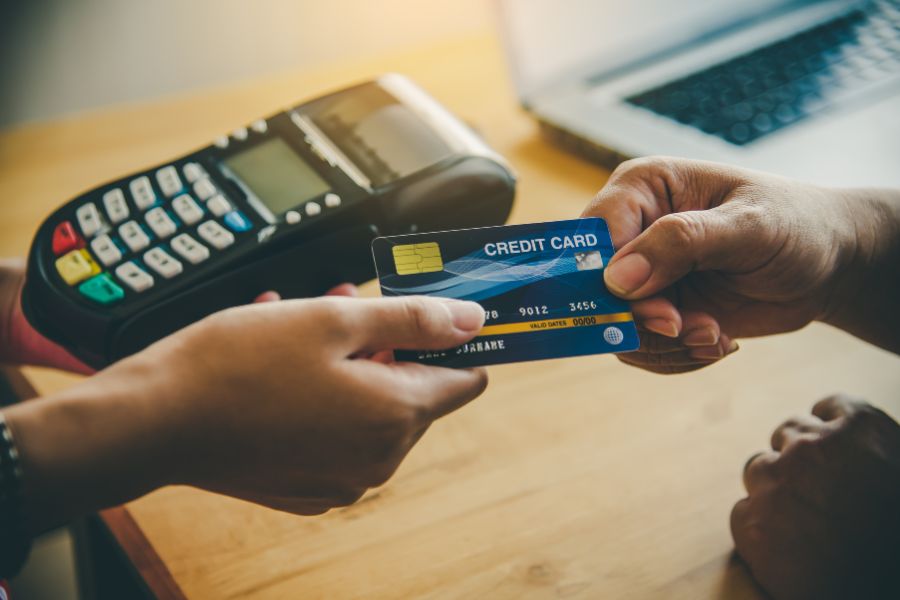
To break the cycle, I switched to cash and debit cards for daily stuff. I only used credit cards for things I could pay off immediately. That single change saved me thousands.
Not Building an Emergency Fund Early
In my twenties, I thought I was invincible. Emergencies? Those happened to other people, right? Nope.
That mindset left me scrambling whenever life threw a curveball.
Underestimating Unexpected Expenses
Unexpected costs hit fast. My car broke down three times in one year—over $2,000 in repairs.
Then my laptop died right before a big work deadline. I had to buy a new one on credit.
Medical bills blindsided me too. Even with insurance, an ER visit for food poisoning cost me $800 out of pocket.
Here’s what blindsided me:
- Car repairs
- Medical bills
- Job loss gaps
- Home fixes
- Pet emergencies
These aren’t rare—they’re just part of life. Most people face at least one big expense every year. Without savings, each one felt like a disaster.
Relying on Debt to Handle Emergencies
No emergency fund meant I reached for credit cards every time disaster struck.
My credit card debt soared from zero to $8,000 in two years. Just the minimum payments ate up 15% of my monthly income.
Every emergency added more debt. I paid 18-24% interest on money I needed for basics.
How the debt trap looked for me:
- Something bad happens
- I charge it to my credit card
- I make minimum payments for months
- Another emergency hits before I pay off the last one
- Debt keeps piling up
It took three years of strict budgeting to dig out. If I’d just saved $50 a month in my early twenties, I could’ve skipped all the stress (and interest). Even $1,000 in savings would’ve covered most of my emergencies.
Mismanaging Debt and Credit
I really botched debt and credit in my twenties. Bad credit habits, high-interest debt, and only making minimum payments kept me stuck for years.
Neglecting Credit Score
I ignored my credit score completely. I figured it only mattered if I ever wanted a car loan.
The wake-up call? Apartment hunting. The landlord ran a credit check—my score was terrible. Missed payments and maxed-out cards tanked it.

What hurt my score:
- Late payments
- High balances (over 30%)
- Closing old cards
- Not checking my credit report
Building good credit takes time, but keeping it up is way easier than fixing it. I started paying bills on time and kept my balances low.
Now, I check my score every month. Lots of banks offer free credit monitoring, so I stay on top of things.
Accumulating High-Interest Debt
Credit cards felt like free money. I used them for everything—groceries, trips, you name it—without thinking about interest.
My worst move? Treating credit cards like extra income. I maxed out three cards in two years, all with rates over 20%.
My debt breakdown:
- Card 1: $4,500 at 22.9% APR
- Card 2: $3,200 at 24.9% APR
- Card 3: $2,800 at 19.9% APR
Interest alone cost me $200+ a month. That’s more than some people spend on food.
I finally used the debt snowball method. I paid off the smallest card first, then tackled the next.
Paying Only Minimums on Loans
Making minimum payments seemed fine, but it trapped me in debt for years. I didn’t realize how much extra I’d pay in interest.
On a $10,000 student loan, $120 a month would take 25 years to pay off. Total cost? Over $18,000.
How I turned it around:
- I calculated total interest over the loan’s life
- Set up automatic extra $50 payments
- Used tax refunds to pay down principal
Even small extra payments made a huge difference. Adding $50 a month saved me $4,000 in interest and shaved eight years off the loan.
I started prioritizing high-interest debt. Credit cards with 20%+ rates got extra payments before low-rate student loans.
Delaying Investing and Retirement Savings
If I could go back, I’d start investing and saving for retirement way sooner. Missing out on compound growth and employer perks cost me thousands I’ll never get back.
Overlooking Compound Interest Benefits
I didn’t get how powerful compound interest was. It’s simple: your money earns returns, then those returns earn more.
Start at 25, put away $200 a month, and by 65 you’ll have about $525,000. Wait until 35? You’ll only have $245,000.
That’s a $280,000 difference, just from waiting. Time matters more than how much you put in when you’re young.
Even $50 a month in your early twenties turns into real money by retirement. I wish I’d seen those numbers sooner.
Not Taking Advantage of Employer Retirement Plans
My first job had a 401(k) with matching. I ignored it because I wanted my whole paycheck. Huge mistake.
Employer matching is free money. If your company matches 3% and you skip it, you’re throwing away a 3% raise.
I left thousands on the table. Plus, the money goes in before taxes, so you pay less to the IRS.

Most plans let you start with 1% of your salary. You can bump it up each year until you hit the match.
Even with student loans, try to at least get the full match. That’s an instant 100% return.
Investing Too Late
I thought investing was risky and complicated. So I left money in savings accounts that barely kept up with inflation.
Investing early actually lowers your risk—you’ve got decades to ride out the ups and downs.
Index funds made investing simple for me. No need to pick stocks or time the market. Just buy low-cost funds that track the whole market.
I finally started investing at 28. Missing those three years cost me tens of thousands in retirement savings.
Best time to start? Yesterday. Second best? Right now.
Overlooking Financial Protection and Smart Risk Management
I learned the hard way: skipping insurance and ignoring loan responsibilities can wreck your financial future. When you’re young, you feel invincible. But one bad day can wipe out years of progress if you’re not protected.
Skipping Necessary Insurance Coverage
Honestly, I used to think insurance was just another monthly expense I could skip. I felt pretty confident about dodging it—until life threw me a curveball.
Let me tell you, skipping health insurance turned out to be a brutal mistake. One trip to the emergency room for a broken wrist left me staring at an $8,000 bill. That kind of surprise can wipe out your savings and crush your financial plans in an instant.
I also ignored renters insurance because I assumed my landlord’s policy covered everything. Wrong move. Someone broke in and took my laptop and camera gear, and I learned the hard way that the landlord’s insurance only covered the building. I lost $3,000 just to save $15 a month—ouch.
With auto insurance, I tried to save money by going with the bare minimum. Then I rear-ended someone during rush hour. I ended up paying $4,500 out of pocket for damages. If I’d just paid $40 more each month for full coverage, I could have avoided all that stress.
Ignoring Business Loan Responsibilities
When I started my side business, I figured it was easy money. Turns out, I had real financial responsibilities that I didn’t take seriously enough.
I mixed up my personal and business expenses and didn’t track anything. Once tax season rolled around, I couldn’t tell which costs were business-related and which were personal. That mistake cost me some valuable deductions.
I struggled with payment schedules because my income was all over the place. Some months, business boomed. Other months, crickets. I should’ve set aside cash during the good times just to cover my loan payments when things slowed down.
The variable interest rate on my business loan really caught me off guard. I budgeted for the initial low rate, but when it jumped up by 2%, my payments shot up by $150 a month. That kind of cash flow problem can sneak up on you fast.
Failing to Plan for Financial Setbacks
For years, I lived paycheck to paycheck with zero backup plan. When something went wrong, I had to rely on credit cards or borrow money.
My car broke down at the worst possible moment. No emergency fund meant I had to slap $1,200 in repairs on my credit card. The interest piled up, turning a one-time fix into months of debt.
Losing my job opened my eyes to how little unemployment benefits actually cover. I wish I’d saved at least three months of living expenses. Scrambling to pay rent while job hunting just added more anxiety to an already stressful time.

I never thought about disability insurance until I watched a friend struggle after surgery. She couldn’t work for six months, and her finances took a serious hit. Medical setbacks can drain your savings and ruin your plans before you know it.
Frequently Asked Questions
Here are some of the questions I hear most about financial mistakes in your twenties. I’ll keep it real with practical advice, a bit of tough love, and some lessons learned the hard way.
What are the top financial blunders people make in their 20s?
Honestly, I see three mistakes over and over. Living on credit cards tops the list.
People spend more than they earn, and that debt cycle gets ugly fast. Not tracking expenses is another big one—seriously, you can’t control what you don’t track.
Skipping emergency savings leaves you wide open to disaster. One car repair or job loss can throw your whole budget off.
And yeah, ignoring retirement seems harmless when you’re young. But starting late means missing out on thousands in compound interest.
How can you avoid serious money management pitfalls early in life?
Start with a simple budget. Write down your income and every expense—even the small stuff.
Pay yourself first. Save before you spend on anything else. Even $50 a month adds up.
Build an emergency fund, even if it’s slow. Three months of expenses is a solid goal.
Only use credit cards for things you can pay off right away. Don’t carry a balance for stuff you don’t need.
Check your credit score every month. Free tools make it easy, and a good score saves you money down the line.
Which consumer spending habits should you steer clear of for financial well-being?
Those daily coffee runs? They add up fast. I started brewing at home and saved a ton.
Eating out all the time is another budget killer. Meal planning and cooking at home really helps.
Boredom shopping online is a trap. Impulse buys sneak up on you, so I deleted shopping apps from my phone.
Buying new cars? Not worth it. Used cars save you from a mountain of debt and depreciation.
Subscription services can quietly drain your bank account. Review them often and cancel what you don’t use.
What not to do with your finances to maintain economic health?
Always check your credit score and statements. Mistakes happen, and they can cost you.
Don’t ignore high-interest debt. Credit card balances grow faster than you think.
Be careful mixing money with friends. Without clear agreements, things get messy fast.
Skip the expensive wedding if it means going into debt. The marriage matters way more than the party.
Don’t start a family without a plan. Kids are amazing, but they’re expensive—about $245,000 by age 18.
How can young adults sidestep common budgeting errors for a secure financial future?
Try the 50/30/20 rule: 50% for needs, 30% for wants, 20% for savings.
Set clear financial goals with deadlines. “Save more” is too vague—be specific.
Automate your savings. When money moves before you see it, you’re less tempted to spend.
Review your budget every month. Life changes, and your budget should too.
Use cash for things like entertainment or eating out. It’s easier to stick to your limits when you see the money leaving your wallet.
Which pitfalls do Generation Z need to watch out for to avoid monetary mishaps?
Social media? It’s a highlight reel, not real life. The pressure to spend on trending experiences and flashy stuff is real, but don’t let it fool you.
Buy-now-pay-later deals look harmless at first. I’ve seen friends swipe for little things here and there, and suddenly, they’re buried in payments. These small debts sneak up fast.
Cryptocurrency is everywhere, and yeah, it can look like a quick win. But honestly, it’s risky—only put in money you’re truly okay with losing. If you’re not sure, maybe hold off.
The gig economy feels like freedom, but there’s a catch. You’ve got to handle your own taxes, health insurance, and even retirement. It’s on you to plan ahead.
Student loans? Take them seriously. Borrow just what you need, and make sure you really get how repayment works. It’s not fun, but future you will thank you.
