

Gas prices have a sneaky way of draining your wallet, don’t they? I’ve been there, staring at the pump and wondering if there’s a better way. Turns out, there is. I found a handful of smart strategies that put over $1,200 back in my pocket last year—without giving up my daily routine or splurging on a new ride.
Here’s the deal: these hacks mix up clever buying habits, cash-back apps, simple car tweaks, and a few creative cost-cutting tricks most folks overlook. No complicated schemes, just easy changes you can start today.
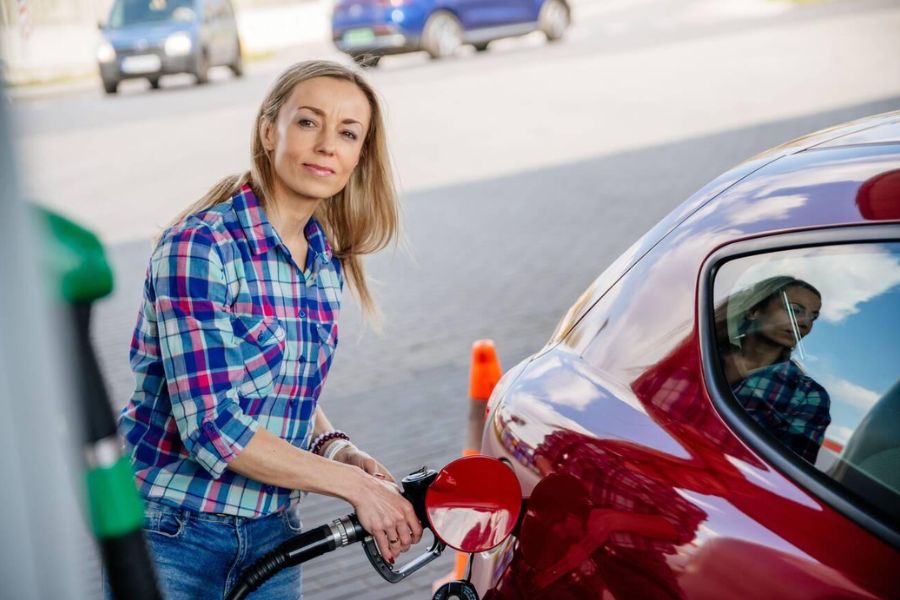
I started small, just testing a couple of these ideas. Over time, I stacked up even more savings. Little by little, it added up big.
Key Takeaways
- Choosing when and where to buy gas can save you hundreds every year.
- Cash-back apps and rewards programs actually hand you real money for every fill-up.
- Simple tweaks to how you drive and care for your car mean better mileage—no drastic lifestyle changes needed.
1. Strategic Gas Buying Habits That Actually Save Money
Let’s talk timing and location. Just by picking the right gas stations and paying attention to when you fill up, you can shave $50 to $100 off your fuel costs every year. I’ve seen it myself—your gas budget doesn’t have to balloon out of control.
Timing Your Fill-Ups for Maximum Savings
Did you know gas prices follow a weekly rhythm? Monday through Wednesday usually brings the lowest prices.
Come the weekend, prices spike. Most stations hike prices on Friday and Saturday.
I also noticed early mornings are cheaper. Stations update prices around 10 AM, so getting there before then can save you a few bucks.
Monthly patterns? They matter too:
- First week: Prices are up
- Mid-month: Sweet spot for deals
- End of month: Somewhere in between
Holidays? Ugh, always expensive. If you fill up a few days before Memorial Day or the Fourth of July, you’ll beat the rush.
Winter months generally mean cheaper gas than summer. If you can, fill up more when it’s cold out.
Picking the Right Gas Stations
Not all stations treat your wallet the same. Warehouse clubs like Costco and Sam’s Club almost always beat regular stations by 10-15 cents a gallon.
Independents? They often undercut the big brands, since their overhead’s lower.
Stay far away from highway and tourist area stations—they charge a premium. Drive a couple miles off the main road and you’ll spot better deals.
Here’s my quick station ranking:
- Warehouse clubs (always my first stop)
- Independent stations
- Grocery store partnerships
- Major brands
- Highway locations (ouch, most expensive)
Some credit unions team up with certain chains for discounts—worth checking out if you’re a member.
Loyalty doesn’t always pay. I like to price shop between station types and grab the best deal.
Using Discount and Loyalty Programs
I’ve found cashback credit cards usually beat gas-only cards. A 5% cashback card gives you more than the usual 5-10 cent per gallon discounts.
Grocery store fuel programs are gold. Spend $100 on groceries and you’ll often get 10-20 cents off per gallon.
Favorite gas apps?
- GasBuddy: Real-time prices
- Gas Guru: Tracks local deals
- Wex Connect: Finds stations and prices
Warehouse club memberships pay for themselves on gas alone. I recouped my annual fee in about six months.
Stacking loyalty programs is a game-changer. I combine credit card rewards, grocery store points, and gas app deals for maximum savings.
Station apps like Shell, BP, and Exxon sometimes offer exclusive discounts. I always check before filling up.
2. Cash-Back and Rewards Apps: How I Pocketed Real Cash on Gas
Gas cash-back apps are almost passive income if you drive a lot. I’ve pocketed hundreds just by using a few apps, and the money lands right in my PayPal.
Top Gas Apps for Everyday Drivers
Upside is my go-to. It can save you up to 25¢ per gallon at over 4,000 stations—Shell, Exxon, BP, Citgo, you name it.
I just open the app, grab an offer, fill up, and snap a photo of my receipt. The cash shows up in my account, sometimes within hours.
Dosh is another solid one. Link your card and forget it—no receipts needed. It’ll give you up to 10% cash back automatically.
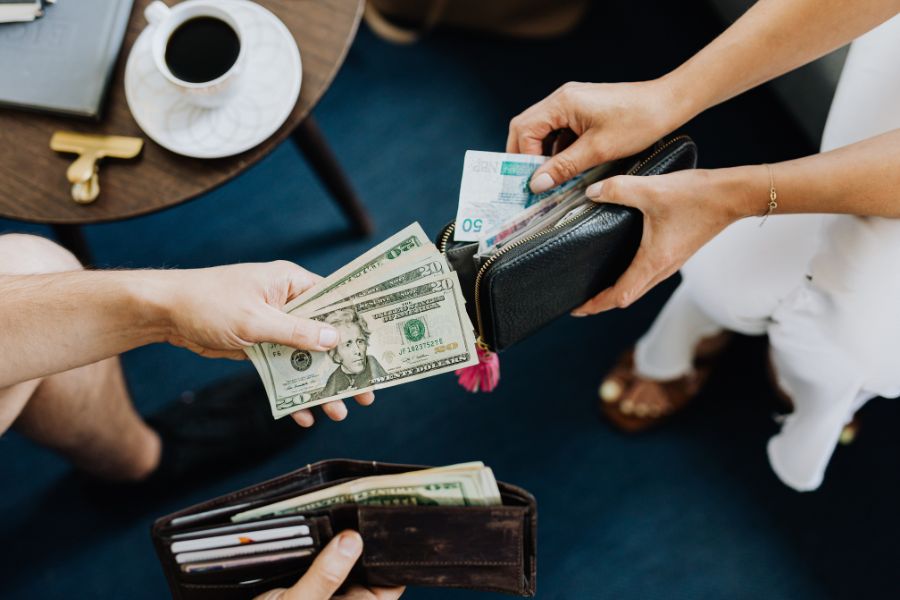
Trunow gives a flat $1 back for every gas station receipt. Super simple.
Station-specific apps like Shell and Exxon Mobil Speedpass+ let you rack up points for fuel discounts or gift cards.
Maximizing Your Upside App Earnings
I always check Upside before I fill up. Offers change based on location and time.
Sometimes, it pays to pick a slightly more expensive station if the cash-back is higher. A 20¢ per gallon reward can beat a cheaper station with only 5¢ back.
I double up by using a rewards credit card along with Upside for bonus savings.
Receipts need to be clear and complete, so I snap the photo right away—no blurry pics.
Referring friends is easy money. Most apps toss you $2-5 when someone signs up and uses the app.
Redeeming Cash Back with PayPal
PayPal is my favorite way to cash out. Most apps let you withdraw once you hit $2-15.
Upside usually sends the money in 2-3 business days. I get an email when it lands.
Dosh can transfer straight to your bank for instant access.
Gift cards are another option. Some apps actually give you a bonus if you pick a retailer gift card instead of cash.
I keep track of my earnings in a simple spreadsheet. Using three or four apps, I’ve made $300-500 a year just on gas.
3. Optimize Your Driving and Vehicle for Efficiency
Tweaking how you drive and care for your car can save 15-30% on fuel costs. Sounds high, but it’s true—I’ve tested it.
Maintaining Proper Tire Pressure
Tire pressure is one of the easiest wins. Under-inflated tires make your engine work harder.
I read that over a quarter of cars have at least one low tire—crazy, right? That costs hundreds in wasted fuel every year.
I check my tire pressure monthly. The right number is on a sticker inside the driver’s door.
Low tire pressure doesn’t just kill fuel economy:
- Tires wear out faster
- Handling gets sloppy
- Blowout risk goes up
Some folks keep tires a little soft for comfort, but trust me, you pay for it at the pump.
Quick tip: Always check pressure when tires are cold for an accurate reading.
Smart Driving Habits for Better Fuel Economy
Aggressive driving wastes a ton of gas. Rapid starts and stops can cut highway fuel economy by up to 30%—even more in city traffic.
Speed matters, too. Driving at 70 mph instead of 60 can burn 25% more fuel. That’s about $5 extra for every 100 miles.
Smooth is better. I try to accelerate and brake gently—my wallet thanks me.
Cruise control isn’t always your friend, especially on hills. It’ll slam the throttle to keep speed, wasting fuel.

Idling is another silent killer. If I’m stopped for more than 10 seconds, I turn the engine off.
Looking ahead in traffic helps me avoid sudden stops and starts, saving even more gas.
Lightening Your Load and Streamlining Errands
Every 100 pounds in your car drops fuel economy by 1-2%. I clean out heavy stuff I don’t need—tools, sports gear, random junk.
Roof racks and boxes are huge gas hogs. Bike racks can cut mileage by 2-8%, cargo boxes by 10-25%. I pull them off when I’m not using them.
I combine errands into one trip whenever I can. Less driving, less gas.
Avoiding heavy traffic is a no-brainer. Stop-and-go driving burns more fuel and wears out your car faster.
If you haul stuff often, pick a car with enough space. Overloading a small car kills efficiency.
4. Creative Ways to Cut Gas Expenses Beyond the Pump
Saving on gas isn’t just about finding cheap stations. Regular maintenance, sharing rides, and using other ways to get around can slash your fuel bills.
DIY Car Maintenance for Ongoing Savings
Basic maintenance can boost mileage by up to 40%—no joke. And you don’t need fancy tools.
Air filter swaps take five minutes and make a real difference. Dirty filters choke your engine and waste gas. I change mine for under $15.
Tire pressure checks (again!) should happen monthly. A $5 gauge pays for itself in no time.
| Maintenance Task | Cost | Fuel Savings | Time Required |
|---|---|---|---|
| Air filter change | $10-15 | Up to 10% | 5 minutes |
| Tire pressure check | $5 gauge | 3% per tire | 2 minutes |
| Oil change (DIY) | $25-35 | 1-2% | 30 minutes |
Oil changes are another easy one. Dirty oil means more friction and wasted gas. Doing it myself saves $20-30 per change.
Carpooling and Rideshare Tactics
Carpooling can cut your gas bill in half. Many workplaces help match drivers or offer parking perks.
Apps like Waze Carpool link you with folks headed your way. Riders chip in for gas, and you both save.
Coordinating with family helps, too. Sharing rides for errands or kids’ activities avoids double trips.
For occasional trips, Uber Pool or Lyft Line are cheaper than solo rides. When you factor in parking and gas, it often beats driving yourself.
Alternative Transportation for Short Trips
Walking or biking is perfect for trips under two miles. Short drives burn more gas since your engine’s cold.
Public transit can save thousands a year in some cities. Bus passes cost way less than gas and maintenance. Some jobs even help cover the cost.

Electric scooters or bikes are great for medium distances. Upfront cost, sure, but it pays off—especially if you’re making lots of short trips.
5. Budget Boosters: Stretch Every Dollar Beyond Gas
Saving money doesn’t stop at the pump. I’ve found ways to cut food costs on the road and even claim tax deductions for vehicle expenses.
Saving Money on Food While on the Go
Road trips and commutes can drain your wallet with pricey snacks and fast food. I started packing my own meals and snacks—it’s way cheaper.
A cooler with sandwiches, fruit, and water can save $15-20 a day. Granola bars in bulk are $0.50 each, but gas stations charge $2.
Apps like GasBuddy help me find cheap gas, and I swing by Wawa or Sheetz for fresh, affordable food. They beat most fast food joints on price.
My go-to snacks:
- Bulk trail mix
- Refillable water bottles
- Homemade sandwiches
- Fresh fruit from the grocery store
If you plan meal stops at grocery stores instead of restaurants, you can cut food costs by 60%. On a family road trip, we dropped daily meal spending from $40 to $15 with this trick.
Tracking Mileage and Expenses for Tax Deductions
Let’s be honest—if you drive for work, you probably miss out on tax deductions just because tracking mileage feels like a chore. I’ve been there, and it adds up fast. The IRS lets you deduct $0.67 per mile for business use in 2025.
So, say you drive 10,000 business miles in a year. That’s $6,700 you could knock off your taxable income. It’s basically free money, but only if you keep good records.
What should you track?
- Where you started and ended each trip
- Why you made the trip for business
- How many miles you drove
- When you traveled
I used to scribble notes in a paper logbook, but honestly, apps like MileIQ and Everlance made my life way easier. They track everything with GPS, so you don’t have to remember every detail. The records they create meet IRS rules, so you’re covered if you ever get audited.
You can also deduct actual vehicle expenses instead of the standard mileage rate. This covers things like gas, repairs, insurance, and even depreciation. I always compare both methods to see which saves me more.
Hang onto receipts for:
- Gas
- Oil changes and repairs
- Insurance payments
- Registration fees
Smart Use of IRS Programs and Credits
The IRS has programs that a lot of drivers overlook. These credits can make a real difference when it comes to saving money on your car.
If you’re thinking about going electric, the Electric Vehicle Tax Credit can get you up to $7,500 for a new EV. Used electric cars? You might still get up to $4,000 thanks to recent updates.

Other vehicle-related credits:
- Employer commuter benefits
- Home office deductions if you travel for business
- Moving expense deductions (especially for the military folks)
If you’re self-employed—think rideshare, delivery, or contract work—you can claim vehicle expenses as business costs. That’s a big one I wish more people knew about.
There’s also a deduction for charitable driving. The IRS lets you claim $0.14 per mile when you drive for a nonprofit. It’s not a huge rate, but every bit helps.
Charitable activities that count:
- Delivering food for food banks
- Driving patients to medical appointments
- Helping out in disaster relief
- Volunteering for your church or religious group
Tax software can help you spot these deductions. I’ve seen too many drivers leave money on the table just because they didn’t know what to claim.
Frequently Asked Questions
I’ve learned that saving money on the road isn’t just about taxes. Regular maintenance, efficient driving, and trip planning all add up. For example, gas apps like Upside can give you up to 25 cents back per gallon. Even simple habits like driving at steady speeds can boost your fuel economy by 15-40%.
What are the best strategies to reduce fuel consumption in my car?
Start with regular maintenance. Clean air filters can improve gas mileage by up to 10%. Keeping your tires properly inflated adds another 3%.
Don’t forget to lighten your load. Every 100 pounds you carry around drops your fuel efficiency by about 1%. Take off those roof racks and empty the trunk when you can.
Try to combine errands into a single trip. Cold engines use more fuel, so planning multiple stops in one go really does help.
How can I save money at the gas pump with simple vehicle maintenance tips?
Stick to the recommended oil change schedule and use the right oil grade. Dirty oil makes your engine work harder and wastes gas.
Replace spark plugs when your carmaker says to. Worn plugs can cut your fuel economy by up to 30%. It’s a cheap fix—usually under $100.
Clean your fuel injectors every 30,000 miles. Clogged injectors mess with your engine’s efficiency.
Are there any driving techniques that can help me use less gas?
Accelerate smoothly and brake gently. Quick starts and stops can drop your gas mileage by 15-30% at highway speeds.
Try to keep your speed steady, ideally between 45-55 mph. That’s where most cars get their best fuel economy.
Use cruise control on highways. It helps you avoid those little speed changes that waste gas.
Look ahead and coast to red lights when you can. Hard braking throws away the energy you just used to get going.
Can planning my trips more efficiently lead to significant gas savings?
Absolutely. If you group your stops together, you’ll use less gas than making separate trips all week.
Avoid rush hour if you can. Stop-and-go traffic can cut your fuel efficiency by 40%.
GPS apps that show real-time traffic help a ton. Sometimes taking a slightly longer route saves you gas if it means less time idling in traffic.
What apps or tools can assist me in finding the cheapest gas prices?
I like Upside for cashback—sometimes up to 25 cents per gallon. It finds deals nearby and handles payments automatically.
GasBuddy is another favorite. It shows real-time prices from other drivers. The free version works great, but there are paid upgrades if you want more perks.
Don’t forget about credit cards that offer gas rewards. Some cards give you 3-5% cashback at gas stations during promos. Why not stack the savings?
Is it possible to modify my car for better fuel efficiency without spending a lot?
Let’s talk tires first. I swapped mine for low-rolling-resistance ones and saw a 3-5% jump in fuel economy. Surprisingly, they didn’t cost more than regular replacements.
Ever tried a cold air intake system? I picked one up for about $100, and installation was a breeze. It gave my car a tiny bump in efficiency—not huge, but every bit helps.
Now, about those roof racks. I used to keep mine on all year, but taking them off before highway trips made a noticeable difference. Even little tweaks to a car’s shape can bump up efficiency by 1-2%.
I did experiment with high-flow engine air filters, hoping for magic. Honestly, the gains were barely there. For most cars, the standard filter does the job just fine.
