

You know, a lot of people think bumping up their credit score by 100 points is just a pipe dream or that it takes years. But honestly? That’s not the case. If you focus on payment history, knock down those credit card balances, and fix any mistakes on your credit report, you can see a 100-point jump in just six months.
I’ve actually helped tons of folks do this, so I know it’s possible. Your credit score isn’t some secret code you can’t crack. Real talk: you can influence it with smart moves and a bit of consistency.
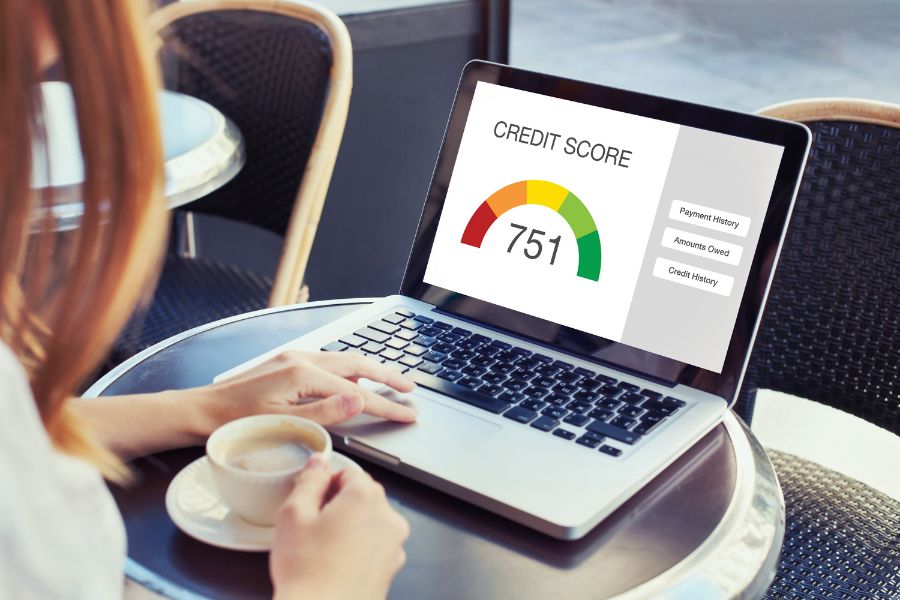
Want to buy a home? Snag a better loan rate? Or just feel more in control of your money? A stronger credit score opens up options you probably didn’t even realize existed. If your score’s under 650 or you’re stuck with credit card debt, these strategies really shine. Stick with a plan and stay committed, and you’ll be shocked at the progress you make in half a year.
Key Takeaways
- Pay your bills on time and get those credit card balances below 30% of your limit for the fastest results.
- Check your credit reports for mistakes—dispute them! Fixing errors can give your score a quick boost.
- Hold off on new credit applications and use credit limit increases to lower your utilization.
Key Credit Score Factors and Their Impact
Two main scoring models—FICO and VantageScore—decide your creditworthiness. Payment history is the big one. Three major credit bureaus gather your financial data, and that info shapes your score.
Understanding FICO and VantageScore Models
Your credit score comes from two main systems lenders use. FICO scores run from 300 to 850, and about 90% of top lenders use them.
VantageScore uses the same 300-850 range but weighs things a bit differently. You might see a different score depending on the model, even if your info’s the same.
FICO Score Breakdown:
- Payment history: 35%
- Credit utilization: 30%
- Length of credit history: 15%
- Credit mix: 10%
- New credit: 10%
VantageScore Breakdown:
- Payment history: 40%
- Credit utilization: 20%
- Length and mix of credit: 21%
- Recent credit behavior: 11%
- Balances: 6%
Most mortgage lenders and banks stick with FICO. Credit card companies sometimes use both.
The Role of Credit Bureaus: Experian, Equifax, and TransUnion
Experian, Equifax, and TransUnion each keep their own file on your credit activity. Lenders send your payment history, account balances, and credit limits to these bureaus. Some only report to one or two bureaus, not all three.

Your score can change from bureau to bureau. That’s because of different reporting timelines, not all creditors reporting everywhere, and even different model versions. I always check all three credit reports once a year. You can grab yours for free at annualcreditreport.com.
How Payment History Influences Your Score
Payment history makes up 35% of your FICO score and 40% of your VantageScore. That’s huge. Every on-time payment builds your credit profile. Seriously, every month counts and future lenders notice. But one late payment? That can drop your score by 60 to 110 points—yikes.
Payment timeline impacts:
- 30 days late: Big drop
- 60 days late: More pain
- 90+ days late: Even worse
- 120+ days late: Might get charged off
The best part? Recent payment history matters more than old slip-ups. Start paying on time and you’ll see improvement within a month.
Proven Strategies for Raising Your Credit Score Fast
If you want to boost your score fast, focus on three things: make every payment on time, keep your credit utilization under 10%, and clear up any errors on your reports. You can see results in as little as 30-60 days if you stick with these.
Building a Flawless On-Time Payment Record
Payment history is the #1 factor. On-time payments are the most powerful tool for raising your score. Even a single 30-day late payment can haunt your credit for up to seven years.
I always set up automatic payments for at least the minimum on every account. It’s saved me from accidental late payments more than once. Missed a payment recently? Call your creditor. Ask if they’ll remove the late mark as a goodwill gesture—especially if you’re usually on time.
Payment Strategy Checklist:
- Set up auto-pay for all bills
- Pay at least the minimum by the due date
- Call creditors to ask for goodwill deletions
- Use calendar reminders as a backup
Every on-time payment helps rebuild your history and lifts your score.
Optimizing Credit Utilization Ratio
Credit utilization is the second biggest factor. I always tell people to keep their balances under 10% of their limits. People with top scores usually use less than 5% of their available credit. So if you’ve got a $1,000 limit, try to keep your balance under $50.

Quick Utilization Fixes:
- Pay down balances before the statement date
- Make multiple payments each month
- Ask for credit limit increases
- Spread balances across cards instead of maxing one
Most card companies report to bureaus around your statement closing date. Pay down your balance before then for the best effect. Once your lower balance gets reported, your score can jump within a month.
Disputing Errors on Your Credit Reports
Mistakes on your credit reports can really drag your score down. I’ve seen folks gain 50+ points just by fixing errors. Get your free reports every year from all three bureaus at annualcreditreport.com. Look for:
Common Credit Report Errors:
- Late payments you actually made on time
- Accounts that aren’t yours
- Wrong balances or limits
- Duplicate accounts
- Old negatives past the 7-year mark
File disputes online with each bureau. Attach proof like bank statements or payment confirmations. Bureaus have 30-45 days to check your dispute. If they can’t verify it, they have to remove it. Dispute errors as soon as you spot them. Fixing these can give your score a serious boost.
Boosting Creditworthiness with Smart Credit Management
Smart credit management is all about three things: upping your credit limits, becoming an authorized user, and opening the right new accounts.
Increasing Credit Limits the Right Way
Ask for credit limit increases every 6-12 months. It’s a simple way to lower your utilization without paying off a dime.
When to ask:
- After 6 months of on-time payments
- If your income goes up
- Before you make a big purchase that could bump up your balance
Call your card company and ask if they can do it with a soft pull. Most will if you’ve got a good payment history.
Pro tip: Don’t spend the extra credit! Keep your spending steady, and your utilization ratio drops automatically.
If one card company says no, try the others. They all have their own rules.
Becoming an Authorized User to Build Credit
Get added as an authorized user on someone else’s card—preferably someone with great credit. Their positive history and low balances help your score.

Pick the right account:
- Utilization under 10%
- Perfect payment history for at least two years
- High credit limit
Ask a family member or friend you trust. You don’t need to use the card; just being listed can help. Double-check that the card company reports authorized users to all three bureaus. Once your score improves, you can remove yourself to avoid future risks.
Opening the Right Kind of New Credit
Opening new credit the smart way can help your mix and lower your overall utilization. I usually suggest secured cards or credit-builder loans for folks with thin credit files.
Best options:
- Secured credit card (needs a deposit but builds credit)
- Credit-builder loan
- Student loans (if you’re in school)
Only apply for new credit every few months. Too many applications at once can ding your score. New cards work best when you already have some history. They boost your available credit and help spread out your utilization. Skip store cards or high-fee cards unless the perks really make sense.
Staying on Track and Avoiding Credit Pitfalls
Protect your progress by managing your accounts wisely, being careful with new applications, and handling negative marks strategically.
Managing Old Accounts and Credit History
Length of credit history counts for 15% of your score. Keep old accounts open—even if you don’t use them much. Closing old cards shortens your history and raises your utilization.
I set up small recurring charges on old cards to keep them active. A $5 subscription does the trick. Just pay it off in full every month. Watch for inactivity. Card companies might close unused accounts after a year or two.
Store cards count too. Keep them open if there’s no annual fee. If an old card has a high annual fee, call and ask to downgrade to a no-fee version. That way you keep your history but skip the cost.
Check your credit reports now and then to make sure closed accounts show your full payment history.
Minimizing Hard Inquiries and New Applications
Every hard inquiry can knock your score down 2-5 points for up to a year. Multiple inquiries in a short time hurt more. Only apply for new credit when you really need it. Space out applications by at least a few months.
If you’re rate shopping for a mortgage, car, or student loan, multiple inquiries within a short window count as one. Look for pre-approvals that use soft inquiries—they don’t affect your score.

Before applying, check your odds. Many card issuers share the score ranges they look for. Avoid applying for several cards in one month. Lenders might see that as risky. After you apply, check your credit reports to make sure inquiries are listed correctly.
Handling Collection Accounts, Bankruptcy, and Foreclosure
Collection accounts can drop your score by 50-100 points. Tackle these quickly. Call collectors and try to negotiate a “pay for delete.” Get it in writing before you pay. Newer scoring models ignore paid collections. FICO 9 and VantageScore 3.0 don’t count paid-off collections against you.
Bankruptcy sticks around for 7-10 years. Start rebuilding with positive payment history right away. Open a secured card within six months of bankruptcy discharge. Make small purchases and pay them off in full. Foreclosure stays on your report for seven years. If you’re at risk, talk to your lender about alternatives before it gets that far.
Dispute collections older than seven years—they should fall off automatically. Keep proof of all payments to collectors. Some might try to re-age debts, which isn’t legal.
Frequently Asked Questions
Here are some of the most common questions I get about raising your credit score by 100 points in six months. Let’s dig into payment strategies, debt payoff methods, managing inquiries, utilization, fixing errors, and building credit history quickly.
What are the top strategies for improving my credit score quickly?
Let’s talk about the basics first—your payment history and credit utilization. Together, these two factors make up a whopping 65% of your credit score.
I always pay every bill on time, even if it’s just the minimum. Trust me, missing a payment isn’t worth the headache.
Next, I aim to keep my credit card balances under 10% of my limits. When I managed to do this, my score jumped within a month—sometimes it feels almost like magic when the bureaus update.
Errors on your credit report? Don’t let those slide. I’ve seen people gain 50–100 points just by getting rid of mistakes. If you spot something off, dispute it right away.
Another trick: become an authorized user on a family member’s card—assuming they’ve got a squeaky-clean payment history and low balances. It’s a neat shortcut to add years to your credit age.
Can paying off debt rapidly help boost my credit score within six months?
Absolutely, paying off credit card debt fast can make a huge difference. When your balances drop, your score usually goes up quickly.
I always attack cards with the highest utilization first. If one’s at 80%, that’s my top priority. The lower I get those numbers, the better I feel.
Making multiple payments each month keeps my balances super low. Sometimes I pay right after a big purchase, just to keep things tidy.
And whatever you do, don’t close the cards when you pay them off. Keeping them open helps your available credit and credit history stick around.
How do credit inquiries impact my credit score and how can I manage them?
Hard inquiries sting a little—they can knock off 5–10 points and linger for up to a year. I try to space out my credit applications by at least six months, just to play it safe.
If I’m shopping for a mortgage or car loan, I bunch those applications together within a couple of weeks. That way, the bureaus usually count them as a single inquiry.
Applying for a bunch of credit cards at once? Not a great move. Each one adds a separate inquiry, and that can really add up.
I check my reports often for weird or unauthorized inquiries. A couple of times, I’ve spotted fraud and had to get those removed.
What is the role of credit utilization ratio in enhancing my credit score?
Credit utilization is a big deal—it makes up 30% of your score. I always shoot for less than 10% utilization, both on each card and overall.
Even one maxed-out card can hurt, even if the others are clear. That’s something I learned the hard way.
I pay down balances before the statement closing date. That’s usually the number that gets reported to the bureaus.
Sometimes I ask for credit limit increases. Just getting a higher limit can lower my utilization, even if I don’t pay off a dime.
How can I correct errors on my credit report to increase my score?
I always grab my free reports from all three bureaus at annualcreditreport.com. I look for duplicate accounts, weird payment statuses, or anything that just doesn’t make sense.
If I find an error, I file a dispute online—super quick and easy. I attach any documents that back me up.
If I don’t hear back in a month, I follow up. The law says they have to investigate and respond.
After fixing a major error, I’ve seen my score jump by 20, sometimes even 100 points. It’s definitely worth the effort.
What are the best ways to establish a solid credit history in a short time?
Let’s be real—building credit from scratch feels intimidating. If your credit history is a blank slate, I’d start with a secured credit card. I used one for groceries and coffee runs, then paid it off in full every month. It worked wonders.
Credit-builder loans are another smart move. Credit unions or online lenders usually offer these. You make regular payments, and they report your positive history while your savings quietly grow in the background.
Got a family member with a solid credit card account? Ask if they’ll add you as an authorized user. When I tried this, my credit report showed years of good history overnight. It sounds almost too good to be true, but it really works.
Don’t forget about services like Experian Boost. They let you add utility and phone payments to your credit file. I mean, you’re already paying these bills—why not let them help your credit score too?
