

Starting a dropshipping business in 2025 doesn’t require a big upfront investment. I’ve helped entrepreneurs launch online stores, and I know the biggest barrier is figuring out where to begin.
You can start dropshipping with no money by using free trials, social media marketing, and suppliers who don’t require minimum orders. The dropshipping model lets you avoid buying inventory upfront since you only purchase products after customers place orders.
This makes dropshipping one of the easiest ways to start an online business today.

In this guide, I’ll show you how to launch your dropshipping store without spending a dime. You’ll learn how to set up your store using free tools, find products that sell, connect with reliable suppliers, and market your business using free methods.
Key Takeaways
- Dropshipping lets you start an online business without buying inventory or having startup capital.
- Free e-commerce platforms and social media marketing help you launch and promote your store at zero cost.
- Success comes from choosing profitable products, finding reliable suppliers, and treating your dropshipping venture seriously.
Understanding Zero-Investment Dropshipping
Zero-investment dropshipping lets you start an ecommerce business without buying inventory. This business model connects you with suppliers who handle storage and shipping.
You focus on marketing and customer service while suppliers take care of the rest.
How the Dropshipping Business Model Works
The dropshipping process follows a simple three-step cycle.
First, I set up my online store and list products from suppliers without buying inventory.
When customers place orders, I forward the details to my supplier. They ship directly to the customer.
Here’s how it works:
- Store Setup – I create an online store using free trials.
- Product Listing – I add supplier products with my own pricing.
- Order Processing – Customer orders trigger supplier fulfillment.
- Payment Collection – I keep the profit after paying suppliers.
This model eliminates big retail costs.
I don’t need a warehouse or inventory investment. The supplier handles all the physical work while I manage the digital storefront.
My profit is the difference between what customers pay and what I pay suppliers. If I sell a product for $30 and pay the supplier $20, I keep $10.
Benefits of Starting Dropshipping With No Money
A free dropshipping business has several advantages for new entrepreneurs.
The biggest benefit is the low barrier to entry. I can test products and markets immediately without risking money.
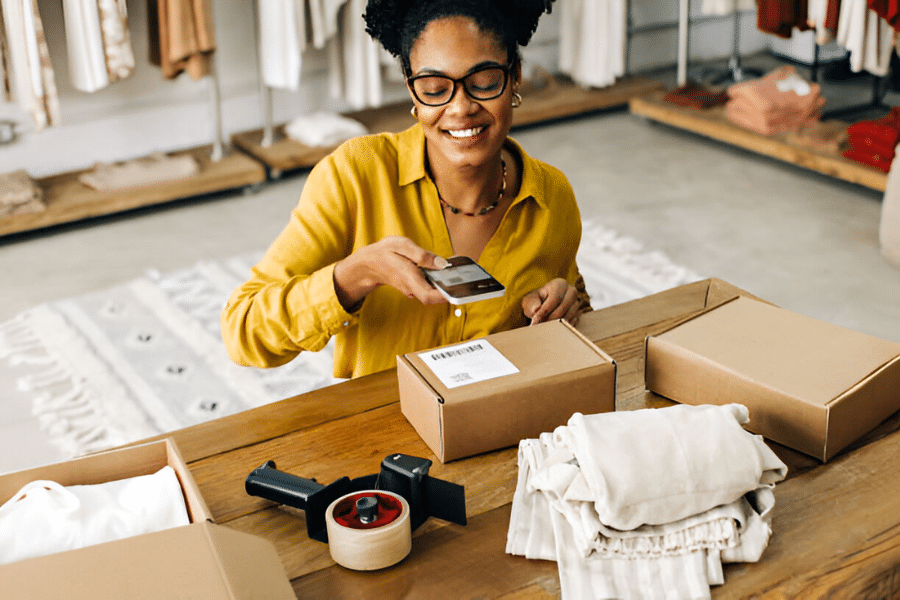
Key benefits:
- No inventory costs – I only buy products after customers order.
- Flexible location – I can run my business from anywhere with internet.
- Scalable growth – Adding new products doesn’t need storage space.
- Market testing – I can try different niches without losing money.
I can make mistakes and pivot quickly without worrying about unsold inventory.
If a product doesn’t sell well, I remove it from my store without financial loss.
Key Considerations for Beginners
Starting with no money means you need careful planning and realistic expectations.
Success depends on reliable suppliers and understanding that growth takes time.
Critical factors:
| Area | No-Money Strategy |
|---|---|
| Marketing | Focus on free social media and SEO |
| Suppliers | Choose those with no minimum orders |
| Platform | Use free trials and low-cost options |
| Customer Service | Handle all support personally |
Building an audience through content marketing takes longer than paid ads, but it’s sustainable.
Quality control is trickier without money for samples. I research suppliers thoroughly and read reviews before partnering.
Customers expect good service, clear communication, and quick resolutions, no matter your budget.
Step-by-Step Guide to Launching Your Free Dropshipping Store
You can create your dropshipping store for free by using the right platforms and tools.
I’ll show you how to pick a free ecommerce platform, set up your store, and import products without upfront fees.
Choosing the Right Ecommerce Platform
The right ecommerce platform is crucial.
I recommend starting with platforms that offer free plans or trials.

Shopify gives you a 3-day free trial, then $1 per month for three months. It’s user-friendly and works well with dropshipping apps.
WooCommerce runs on WordPress and is free to use. You only pay for hosting, which can be as low as $3 per month.
Big Cartel offers a free plan for up to 5 products. It’s great for testing your first few items.
Start with Shopify if you want ease of use. Pick WooCommerce for more control and lower costs.
Setting Up Your Online Store for Free
Setting up your online store takes just a few hours.
Pick a store name that matches your niche. Keep it simple and memorable.
Choose a clean, professional theme. Most platforms offer free themes that look good on mobile.
Add essential pages to your store:
- About Us
- Contact information
- Shipping policy
- Return policy
Set up payment methods like PayPal and Stripe. Both are free to add and only charge when you make sales.
Add trust signals like security badges and customer reviews sections. These help visitors feel safe buying from you.
Importing Products With No Upfront Cost
Import products without buying inventory first. This is the power of dropshipping.
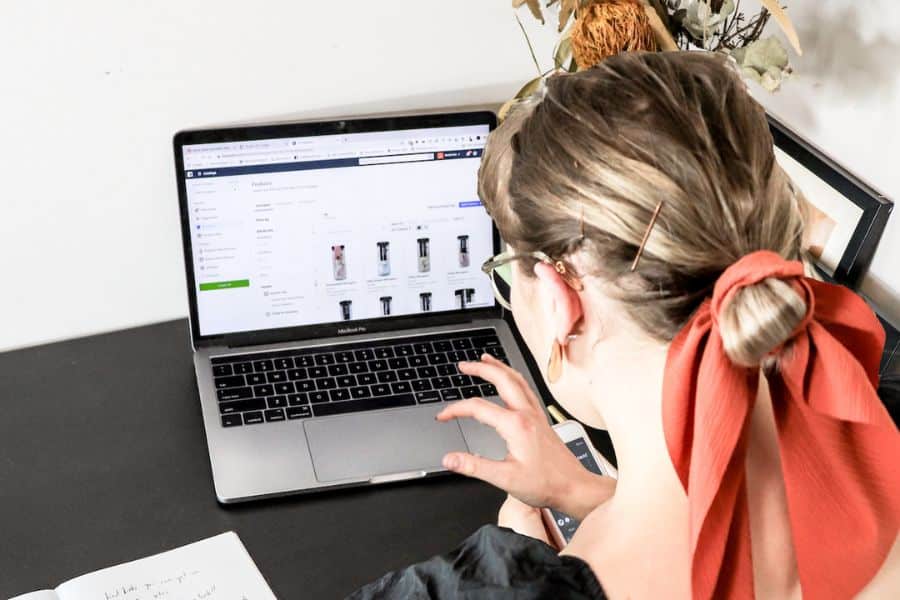
DSers connects to your Shopify store for free. You can import products from AliExpress with one click.
For WooCommerce, use the AliDropship plugin. It works the same way as DSers but for WordPress.
Start with 5-10 products. Focus on items with:
- High ratings (4+ stars)
- Many reviews (100+)
- Fast shipping options
- Good profit margins (aim for 3x markup)
Edit product descriptions to make them unique. Change titles to match what your customers search for. Use better photos if possible.
Set your prices to cover all costs and profit. Include shipping, payment processing fees, and your desired margin.
Finding Profitable Products and Reliable Suppliers
Product research and supplier selection are the foundation of dropshipping.
I’ll show you how to find winning products using free tools and connect with suppliers that don’t charge upfront fees.
Conducting Effective Product Research
I start by looking at what’s selling well on big platforms.
Amazon’s best-seller lists show which products have proven demand.
I check trending items on Facebook Marketplace and eBay to spot rising products.
What I look for:
- Products with 100+ reviews on Amazon
- Items trending on social media
- Products solving specific problems
- Seasonal items with steady demand
I focus on products priced between $15-50. This range gives good profit margins and stays affordable.
I avoid heavy, fragile, or branded items. These can lead to high shipping costs or copyright issues.
Validating Product Trends and Niches
Google Trends helps me check if interest in a product is rising or falling.
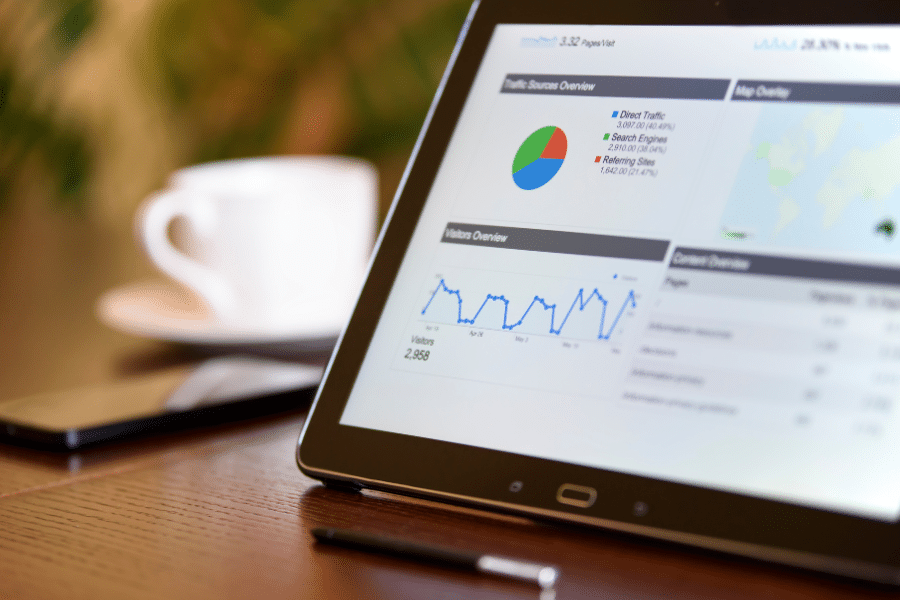
I use keyword research to see search volume. If people search for “wireless earbuds” 100,000 times a month, that’s a good sign.
My checklist:
- Steady or rising Google Trends data
- Active social media discussions
- Multiple competitors selling similar items
- Positive customer reviews
I look for questions and conversations about the product on Reddit and Facebook groups. This shows real customer interest.
TikTok and Instagram often reveal trends before they hit the mainstream. I watch for products getting organic mentions.
Selecting Cost-Free Dropshipping Suppliers
AliExpress is my top choice for free supplier access.
I look for suppliers with:
- 95%+ positive feedback
- At least 1,000 orders fulfilled
- Fast response times
- Clear product photos and descriptions
Other free supplier platforms:
- Spocket: US and EU suppliers, faster shipping
- Zendrop: Automated order fulfillment
I test supplier reliability by ordering samples when possible.
I contact suppliers to discuss pricing and shipping options. Many offer better rates for serious dropshippers, even without minimum orders.
Order fulfillment speed is key. I prefer suppliers offering 7-14 day shipping.
Using Product Research Tools for Success
I use free tools like Google Trends, Google Keyword Planner, and Pinterest Trends.
Social media is a powerful research tool. I monitor hashtags on Instagram and TikTok for emerging trends.
Free tools I use:
- Google Trends for demand
- Pinterest for visual trends
- Facebook Ad Library for competitor research
- YouTube for product demos
I study competitor stores to improve my own approach. I check their pricing, descriptions, and reviews.
Browser extensions like AliExpress Dropshipping Center help me analyze products and suppliers quickly.
I keep my research organized in a simple spreadsheet. I track product names, suppliers, prices, margins, and trends.
Building and Marketing Your Dropshipping Brand for Free
You can build a strong brand and attract customers without a big budget.
I’ll show you how to use organic marketing, social media, email campaigns, and great service to grow your dropshipping business for free.
Organic Marketing Strategies That Work
Organic marketing builds your audience naturally, without paid ads.
Content creation is your best tool. Start a blog on your store’s website and write helpful articles about your products.
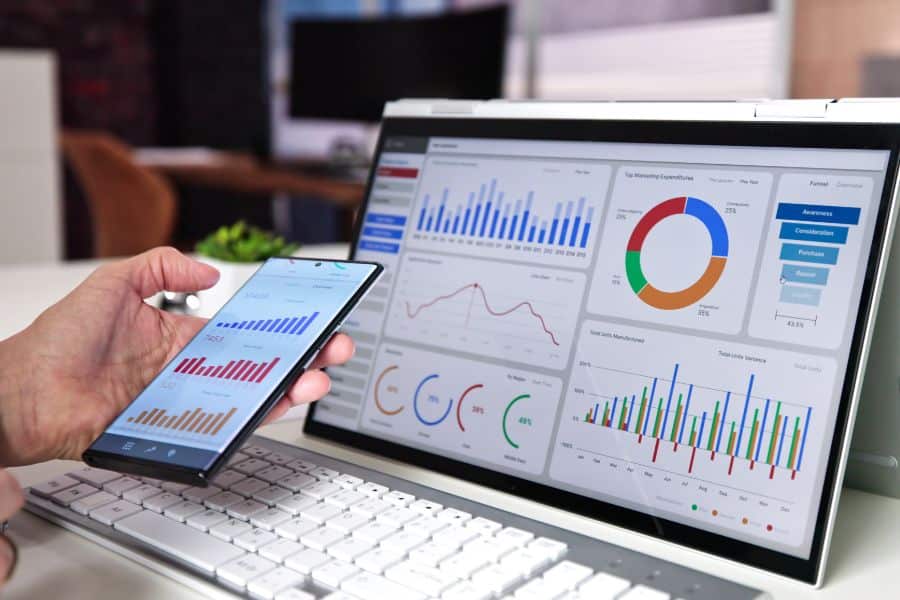
If you sell fitness gear, write about workouts or health tips.
SEO helps people find your content. Use free tools like Google Keyword Planner to find keywords your customers search for. Include these naturally in your blog posts and product descriptions.
Social media works best when you provide value. Create how-to videos, product demos, or educational posts about your niche.
Post consistently, but don’t overwhelm your followers.
Key platforms:
- TikTok for viral content
- Pinterest for inspiration
- YouTube Shorts for tutorials
- Instagram for visual products
Join online communities where your customers spend time. Answer questions and share advice before promoting your products. This builds trust and authority.
Maximizing Social Media and Influencer Partnerships
Social media lets you reach thousands of potential customers for free.
Instagram is great for visual products like clothing, jewelry, or decor. Use Instagram Shopping so customers can buy directly from your posts.
Create engaging Stories and Reels to show products in action.
TikTok can make products go viral. Focus on entertaining content that features your products naturally.
Dance trends, challenges, and funny videos often get more views than sales posts.
Find micro-influencers with 1,000-10,000 followers in your niche. Many will promote your products in exchange for free items.
Reach out with personal messages explaining why their audience would love your products. Offer free products plus a commission on sales through their discount code.
Facebook groups and marketplace listings help you reach local customers. Join groups related to your niche and share valuable content before promoting products.
Email Marketing and Customer Engagement
Email marketing delivers the highest return on investment among all marketing channels. Free platforms like Mailchimp let you start building your list right away.
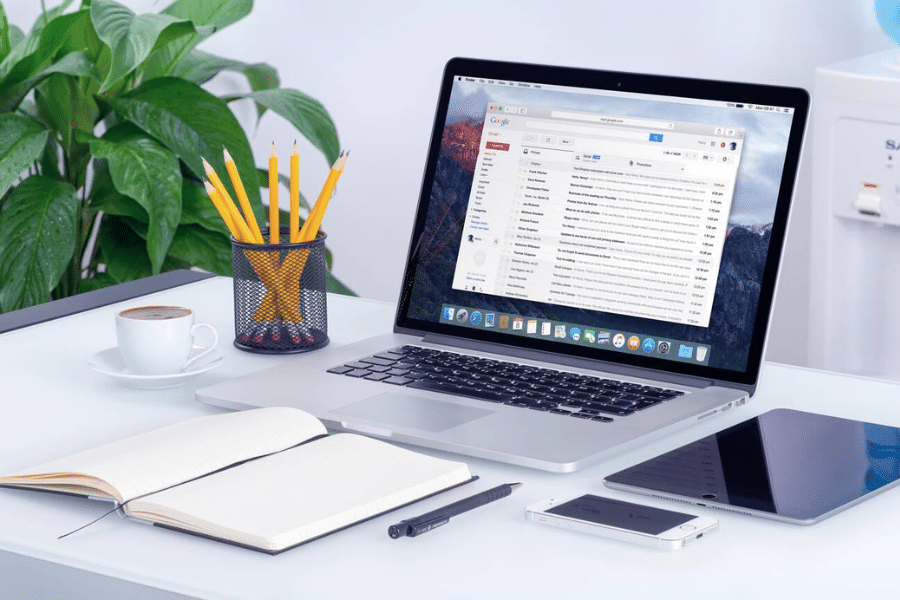
I recommend creating a simple lead magnet to collect email addresses. Offer a discount code, buying guide, or free resource related to your products.
Place signup forms on your website and social media profiles to capture more leads. Keep the process easy and inviting.
Emails That Convert:
- Welcome series for new subscribers
- Product recommendations tailored to browsing habits
Send abandoned cart reminders to encourage customers to complete their purchases. Share customer success stories and seasonal promotions to keep your audience engaged.
Write emails as if you’re chatting with a friend. Use the subscriber’s name and mention their interests or past purchases for a personal touch.
Consistent communication is key, but avoid overwhelming your list. I find that sending one or two emails per week with a mix of valuable content and product highlights works best.
Track open rates and click-through rates to discover what resonates with your audience. Adjust your approach based on these insights.
Segment your list according to customer behavior. Send different messages to first-time visitors and loyal customers for better results.
This targeted strategy boosts engagement and keeps unsubscribe rates low.
Providing Outstanding Customer Service
Outstanding customer service helps dropshipping stores stand out. Since suppliers handle shipping, strong communication becomes even more important.
Respond to customer questions within 24 hours. Set up auto-responses to acknowledge messages and provide a reply timeframe.
Customer Service Essentials:
- Clear return and refund policies
- Proactive order tracking updates
Resolve shipping issues quickly and follow up personally after delivery. These touches build trust and loyalty.
Create template responses for common questions about shipping, returns, or product details. Customize each message with the customer’s name and situation for a personal feel.
After customers receive their orders, follow up to ask about their experience and request a review. Satisfied customers often become repeat buyers and refer friends.
Handle complaints promptly and professionally. Offer solutions like refunds, replacements, or store credit to turn negative experiences into positive ones.
Use customer feedback to improve your product selection and website. If you notice repeated questions, update your product descriptions for clarity.
Frequently Asked Questions
Starting a dropshipping business with no money brings up plenty of questions. Here are answers to the most common concerns about costs, platforms, suppliers, and profitable niches for 2025.
How can you start dropshipping on Shopify without initial funds in 2025?
Take advantage of Shopify’s three-day free trial to build your store without upfront costs. After the trial, you pay just $1 per month for the first three months.
Import products from suppliers and customize your store design during the trial. Free themes help you create a professional look without extra expenses.
Focus on organic marketing through platforms like TikTok, Instagram, and Facebook. Consistent, engaging content drives traffic without an ad budget.
You can also sell directly on Instagram or Facebook Marketplace. I process orders manually through suppliers like AliExpress when starting out.
What are the steps to start a dropshipping business on Amazon without investment?
Dropshipping on Amazon isn’t entirely free. You’ll need an Individual plan at 99¢ per sale or a Professional plan at $39.99 monthly.
Amazon charges referral fees on every sale. If you expect fewer than 40 sales per month, the Individual plan is more cost-effective.
I suggest building up some capital before launching on Amazon. The platform’s fees make it harder to start with zero investment.
Start by selling on social media to generate initial funds, then use those profits to cover Amazon’s fees and requirements.
Is it possible to launch a dropshipping venture in 2025 with zero capital?
Yes, you can start dropshipping with zero capital by using free tools and platforms. Leverage free trials, organic marketing, and manual order processing in the beginning.
You’ll need extra effort and creativity when starting with no money. Consistent content creation and relationship-building replace paid ads.
Free tools like Google Trends and social media analytics help you research profitable niches. Validate product ideas through Facebook Marketplace before investing in a full store.
Scaling without an ad budget is challenging, but organic growth costs nothing upfront.
What are the projected costs for launching a dropshipping business in 2025?
Starting costs range from $0 to $500, depending on your strategy. You can launch with $0 by using free trials and organic marketing.
A basic setup usually costs $1-50 for the first three months with Shopify’s introductory pricing. Product samples might add $20-100, but they aren’t required at the start.
Expect to spend $100-300 on essential tools as your business grows. This includes paid apps, premium themes, or email marketing platforms.
Domain names are about $10-15 per year. If you want professional design services, budget $50-200, though free themes work well for most beginners.
Which dropshipping niches are expected to be most profitable in 2025?
Pet supplies continue to thrive thanks to loyal customers. Fitness equipment and health products grow as wellness trends rise.
Tech accessories and smartphone gadgets offer strong margins. Home organization products attract those focused on productivity and minimalism.
Sustainable and eco-friendly products are gaining traction. Beauty and skincare items perform especially well on visual platforms like Instagram.
Choose a niche you know and enjoy. Your expertise helps with marketing and customer service, building trust and repeat sales.
How do I find reliable dropshipping suppliers for a new, budget-free dropshipping business?
Starting a dropshipping business with no budget can feel overwhelming, but finding reliable suppliers is possible with the right approach.
Here’s how I tackle it:
I dive into platforms like AliExpress, DHgate, and Oberlo. These sites have a wide range of suppliers to choose from.
Scanning merchant reviews is my next step. High ratings and positive feedback usually signal a trustworthy supplier.
I always check for fast shipping times and clear, responsive communication. Suppliers who answer questions quickly make the process much smoother.
Good customer service from suppliers is a must. It helps protect my business reputation and keeps customers happy.
Before committing, I request free product samples. Explaining my business plans often encourages suppliers to send them.
Testing small orders comes next. This helps me judge packaging quality, shipping speed, and the actual product.
Over time, I focus on building strong relationships with the best suppliers. Trust grows, and so do the opportunities for my business.
By following these steps, I set up my dropshipping business for steady growth, even on a tight budget.

2 thoughts on “Zero Investment Required: How to Start Dropshipping in 2025”