

Let’s be honest—cars cost a fortune. But over the years, I’ve picked up some clever tricks that really help cut down those expenses without sacrificing safety or performance. Most people don’t realize just how much they’re spending until they add it all up—gas, maintenance, insurance, repairs. It’s wild.
If you play your cards right, you can slash your car expenses by 20-40%. How? I’ve done it through regular maintenance, smarter driving, fuel-saving hacks, and just by shopping around for better insurance.
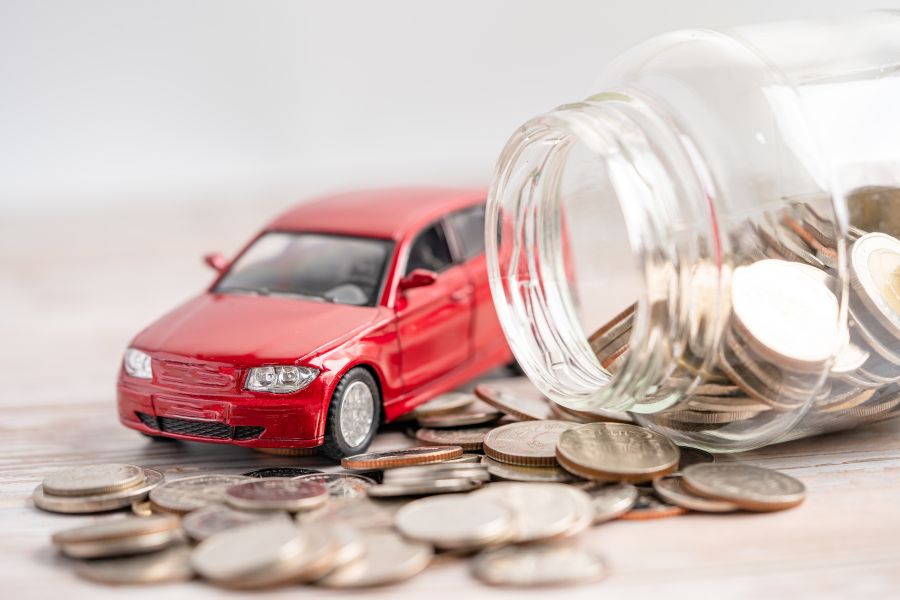
A lot of folks overspend on their cars simply because they don’t plan ahead or know where to trim the fat. I used to be one of them. Little things—like keeping your tires inflated, handling simple maintenance yourself, or running all your errands in one go—can save you hundreds every year.
Here’s the best part: you don’t have to give up your car or drive something unreliable to save money. You can keep your car running smoothly and still have cash left over. I’ll walk you through my favorite ways to cut costs on gas, insurance, repairs, and maintenance.
Key Takeaways
- Regular maintenance and a little DIY can save you hundreds every year and prevent those wallet-busting repairs.
- Smart fuel habits—like keeping your tires at the right pressure and driving efficiently—can chop your gas bill by up to 30%.
- Shop for insurance (and bundle it!) to save $500 or more each year.
Understanding and Managing Monthly Car Expenses
Car expenses can quietly devour your monthly budget if you’re not careful. I’ve learned to track every penny and spot those sneaky hidden fees that pile up fast.
1. Analyze Your True Cost of Owning a Car
When I want to know what my car really costs, I look at everything—obvious stuff and sneaky expenses. That monthly payment? Just the beginning.
Fixed Monthly Costs:
- Loan or lease payment
- Insurance premiums
- Registration fees (spread out monthly)
Variable Monthly Costs:
- Gas
- Maintenance and repairs
- Parking and tolls
I keep my fuel receipts for a few months to get a real average. No more guessing.
Insurance is a moving target. I check my policy every year to make sure I’m not paying for stuff I don’t need.
Some months, maintenance is just an oil change. Other times, it’s a $400 brake job.
To get a real monthly number, I add up a whole year’s car expenses and divide by 12. That way, those big repair months don’t blow up my budget.
2. Budget for Recurring Vehicle Costs
I stash away money every month for car stuff. It takes the sting out of surprise expenses.

My car costs fall into three buckets:
Predictable Fixed Costs:
- Car payment: $350
- Insurance: $125
- Registration: $15
Semi-Predictable Costs:
- Gas: $180-220
- Basic maintenance: $50-100
Unpredictable Costs:
- Major repairs: $0-500
- Emergencies: $0-200
Every month, I move $100 into a car fund. That covers oil changes, tire rotations, and builds a buffer for the big stuff.
I use apps to find the cheapest gas and plan my errands to save fuel.
Automatic transfers make saving for the car fund painless. Last year, when my transmission croaked, I had $800 saved and didn’t have to use credit.
3. Spot Hidden Car Expenses Before They Get You
Hidden car expenses are sneaky. I’ve learned to hunt them down before they drain my wallet.
Sneaky Costs:
- Parking meters and garages
- Toll roads
- Car washes and detailing
- Little accessories and air fresheners
Parking in the city adds up. I spend about $40 a month on meters and another $15 for downtown lots. I never used to budget for that.
Seasons bring surprise costs. Winter tire changes? $80 a pop, twice a year. Summer road trips? My gas bill doubles.
Subscriptions:
- Satellite radio: $15/month
- Car wash memberships: $25/month
- Roadside assistance: $8/month
I check my bank statements monthly for sneaky charges. Those $3 parking fees? They add up to $36 a month.
Registration renewals hit once a year—$180 at a time. I set aside $15 each month so it doesn’t sting.
I read every contract for extended warranties and service plans. Hidden fees hide in the fine print, so I factor them into my budget before signing.
Maximizing Fuel Savings
Gas is a huge chunk of car costs, but I’ve found some easy wins to cut that bill. Smarter driving, gas rewards programs, and ride-sharing have saved me hundreds.
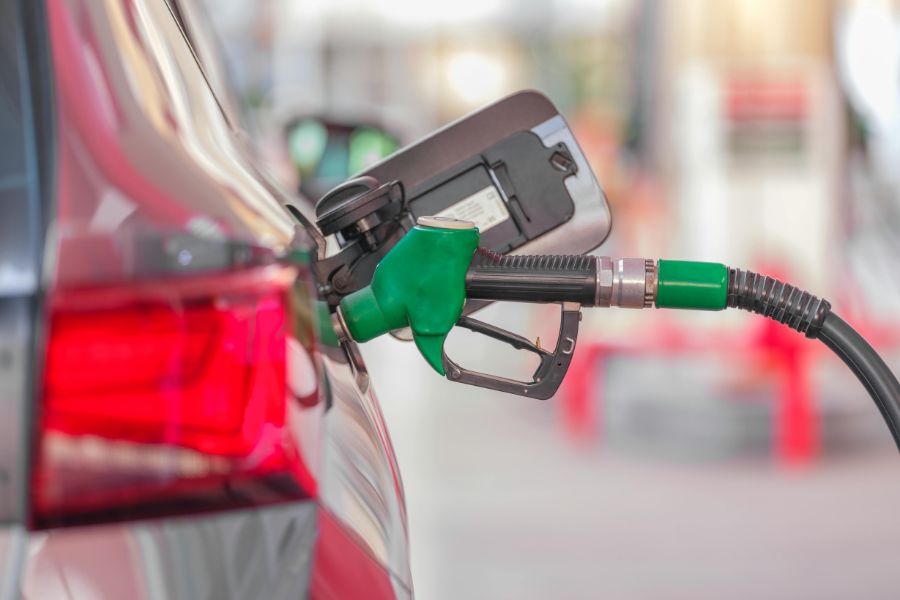
4. Drive Smarter for Better Fuel Efficiency
I changed my driving habits and saw real savings. Smooth acceleration and gentle braking bumped my mileage up by 15-30% on the highway.
I stopped flooring it at green lights and slamming the brakes. Now, I coast into red lights and ease onto the gas.
Keeping a steady speed helps more than I thought. I use cruise control on the highway to avoid those little speed spikes that waste gas.
If I’m stopped for more than 30 seconds, I turn off the engine. Modern cars use less fuel restarting than idling.
I plan my trips and combine errands, so I’m not making a bunch of short drives. Rush hour? I avoid it when I can.
Regular maintenance matters. I check tire pressure every month and swap out dirty air filters. Just keeping tires inflated right can boost mileage by 3%.
5. Use Gas Rewards and Apps to Save at the Pump
Gas rewards programs are my secret weapon. My grocery store’s card gets me up to 30 cents off per gallon.
Credit cards with gas rewards? I always use one that gives 3-5% cash back at the pump.
I rely on GasBuddy to find the cheapest gas nearby. Sometimes, driving an extra two minutes saves me 10-20 cents a gallon.
Warehouse clubs like Costco and Sam’s Club offer cheaper gas if you’re a member. For me, the membership pays for itself just in gas savings.
I stack rewards when I can—using my rewards card at the warehouse club pumps doubles up the savings.
Gas station apps sometimes have exclusive deals. Shell, Exxon, and others give you app-only discounts and loyalty points.
6. Carpool and Ride-Share to Slash Costs
Carpooling with coworkers cuts my gas bill in half—sometimes more. We split gas and parking four ways. I found my carpool buddies through work message boards and neighborhood apps. Some folks use Facebook groups for this too. Even for errands, I’ll split an Uber or Lyft with neighbors headed the same way. It’s surprisingly easy. Long trips? I post on ride-sharing sites to find people going my way. It’s way cheaper than driving solo.

Sometimes, I’ll drive to a park-and-ride and take the train or bus into the city. It saves gas and avoids pricey downtown parking. Tracking all my transport costs helps me see what’s working. Carpooling usually chops my commute costs by 60-75% compared to driving alone.
Reducing Maintenance and Repair Costs
Smart maintenance has saved me hundreds every year. Doing basic stuff myself and keeping up with routine services stops small issues from turning into wallet-busting repairs.
7. DIY Maintenance Basics That Save Real Money
Start with the easy stuff—no fancy tools required. These basics save me $20-50 each time.
Simple DIY Tasks:
- Swap air filters every 12,000 miles
- Change wiper blades when they streak
- Top off fluids each month
- Replace cabin air filters yearly
I keep oil, brake fluid, and washer fluid in the garage. Checking levels takes minutes but prevents expensive problems.
Bulbs and fuses are cheap and easy to change. Shops charge $30-50 for what costs me under $10. I just follow the owner’s manual.
Battery maintenance is another easy win. Cleaning the terminals with baking soda and water keeps corrosion away.
8. Schedule Oil Changes and Inspections
I stick to my car’s oil change schedule—usually every 5,000-7,500 miles. Fresh oil keeps the engine healthy.
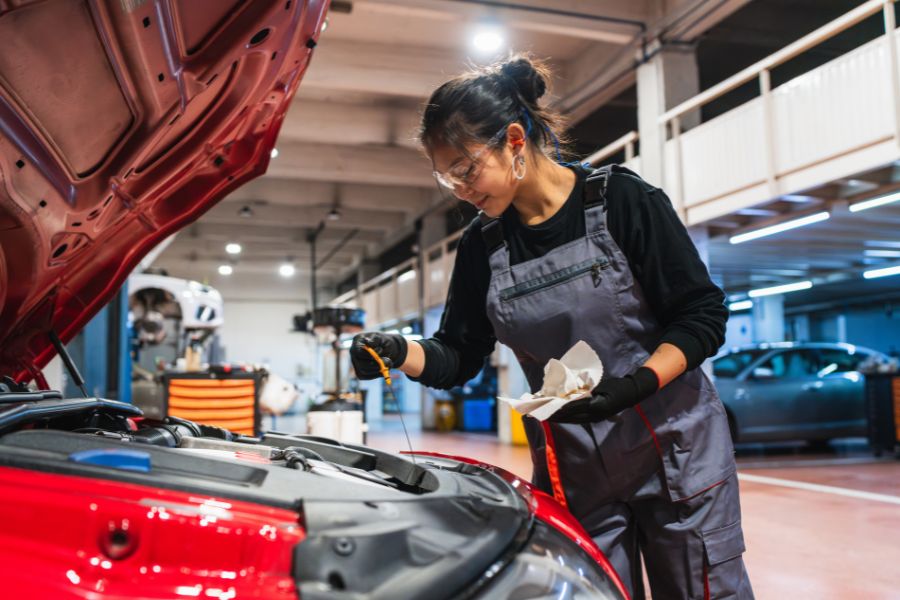
Why Oil Changes Matter:
- Removes gunk and debris
- Stops overheating
- Keeps everything running smooth
- Adds years to engine life
I track my mileage and get it done before I’m overdue. Waiting too long can wreck seals and parts.
During an oil change, I ask the mechanic to check belts, hoses, and fluids. Catching issues early means cheaper fixes.
A $50 oil change beats a $3,000 engine repair every time. I keep all my service records so I know what’s been done.
9. Make Your Tires Last Longer
I check tire pressure every month. Proper inflation means tires last 20-30% longer and my gas mileage improves.
Tire Tips:
- Check pressure when tires are cold
- Use the number on the door sticker, not the tire
- Don’t eyeball it—use a gauge
- Gas stations usually let you add air for free
I rotate my tires every 6,000 miles. It costs $25-50 but helps them wear evenly and last longer.
If my car starts pulling or I see weird wear patterns, I get the alignment checked. It’s cheaper than buying new tires too soon.
For tread depth, I use the penny test. If I see all of Lincoln’s head, it’s time to shop for new tires before it gets dangerous.
10. Prevent Costly Repairs With Timely Maintenance
I follow my car’s maintenance schedule to the letter. Preventative care costs less than fixing big breakdowns.
Prevention Checklist:
- Change brake fluid every 2 years
- Flush the coolant system as recommended
- Service the transmission on schedule
- Replace belts and hoses before they fail
I pay attention to weird noises, vibrations, or dashboard lights. Fixing small problems early saves a ton.
Before winter, I check antifreeze. Before summer, I make sure the cooling system’s ready.
I keep detailed maintenance records. It helps me plan ahead and avoid missing important stuff.
Optimizing Insurance and Finding Extra Savings
Insurance can make or break your car budget. I’ve learned how to compare providers, adjust coverage, and grab every discount I can.
11. Shop Around for the Best Insurance Rates
Every year, I get quotes from at least three insurance companies. Prices change all the time, and last year’s deal might not be the best now.
Big names to check:
- State Farm
- GEICO
- Progressive
- Allstate
- USAA (if you qualify)
- Local companies
When I compare, I make sure the coverage limits match. Otherwise, it’s apples to oranges.
Online tools are handy, but sometimes calling gets you a better deal. Some agents can offer discounts you won’t see online.
I always check reviews for claims and customer service. Cheap insurance isn’t worth it if they’re a nightmare when you need help.
12. Adjust Coverage to Match Your Needs
I review my coverage based on my car’s value and my finances. If my car’s worth less than $4,000, I might drop collision and comprehensive.

Ways I Save:
- Raise deductibles: Bumping from $500 to $1,000 can save 15-30% on premiums.
- Drop extras: If I have a backup ride, I skip rental coverage.
- Adjust liability: Keep it high enough to protect assets, but don’t overdo it.
For old cars, I do the math. If my premium plus deductible is more than 80% of my car’s value, I drop collision.
I check my mileage every year. If I drive under 10,000 miles, I usually qualify for low-mileage discounts.
That’s my playbook for saving big on car expenses. I’ve tested these strategies, and they really do work. Try a few, tweak them for your life, and watch your car costs drop—maybe even faster than you expect.
Bundling and Negotiating Discounts
Let’s talk about bundling insurance—something I always look for. I usually combine my auto insurance with home or renters insurance to snag multi-policy discounts. That move often saves me anywhere from 10% to 25% on both policies, and honestly, who doesn’t want to keep more cash in their pocket?
Discounts I never forget to ask about:
- Good driver (no accidents or tickets—yep, that’s me)
- Good student (B average or higher, so parents, listen up)
- Military or veteran status
- Senior citizen
- Anti-theft devices
- Safety features like airbags or anti-lock brakes
Once a year, I just pick up the phone and ask my insurance company about new discounts. Providers roll out new savings programs all the time, but they rarely tell existing customers unless you ask. It’s kind of wild, right?
When I negotiate, I always mention competitor quotes. If I’ve had a clean record and stayed loyal, I’ll ask if they can match or beat the lower rates I found elsewhere.
I also go for annual premium payments instead of monthly. That way, I skip those annoying processing fees and sometimes even get a small discount for paying in full.
Frequently Asked Questions
If you own a car (or dream about it), you probably wonder how to keep costs down or stash enough for your next ride. I’ve faced these questions too, and here’s what’s worked for me.
What are effective strategies for saving money on car ownership for those with a limited budget?
First things first: focus on preventative maintenance. I check my tire pressure every month and stick to the car’s maintenance schedule—not just the old 3,000-mile oil change rule.
I buy simple parts like air filters and windshield wipers myself. Seriously, it’s easy and usually slashes the price in half compared to what a shop charges.
I always look for a trustworthy independent mechanic once my warranty runs out. Dealerships can drain your wallet, but local shops often charge less and care more.
I clear out my car regularly. Less junk means less weight, which helps my fuel efficiency. Who knew decluttering could save gas money?
I try to group errands together, and if I can, I walk or bike for short trips. That little habit keeps my car in better shape and saves on gas.
What is the recommended amount to allocate for a car purchase based on my annual income?
I like to keep my car spending in check by sticking to 10-15% of my annual income. So if you make $50,000, look for a car in the $5,000 to $7,500 range.
That way, you’ll have enough left over for insurance, repairs, and all the other stuff that comes with owning a car.
Total transportation costs—car payment, insurance, gas, maintenance—shouldn’t eat up more than 20% of your monthly income. It’s easy to lose track, but this number keeps things balanced.
How can I calculate my monthly savings goal to buy a car within a specific time frame?
Here’s what I do: take the car’s price and divide it by the number of months until you want to buy. If I’m eyeing a $10,000 car in two years, that means saving about $417 a month.
Don’t forget taxes, fees, and registration—they usually tack on another 10-15%. It’s a pain, but better to plan for it now.
I also stash an extra $1,000-$2,000 for repairs or maintenance right after buying. Used cars almost always need a little TLC.
Are there any tools or calculators available to help determine how much I can afford to spend on a car?
Most banks and credit unions have free car affordability calculators online. I use them to plug in my income, debts, and expenses.
Auto loan calculators are great too. You can see how different loan terms change your monthly payments—compare 3-year, 4-year, or 5-year options to see what fits.
I usually try a few calculators just to get a range. Each one crunches the numbers a bit differently, so it’s good to shop around.
What percentage of my income should go towards car expenses to maintain a healthy financial balance?
I stick to the golden rule: keep all transportation costs under 20% of my monthly take-home pay. That includes my car payment, insurance, gas, maintenance, and repairs.
So if you’re bringing home $4,000 a month, keep car expenses under $800. That way, you still have room for savings, emergencies, or just a bit of fun.
A lot of folks spend way too much on their cars and end up struggling elsewhere. Staying under that 20% line keeps everything in check.
What practical tips can help me efficiently save for a car without compromising my financial goals?
Let’s be real—saving for a car can feel overwhelming, but it doesn’t have to derail your other financial plans. I’ve found that setting up automatic transfers to a separate car savings account works wonders. You don’t even have to think about it, and honestly, it keeps me from dipping into that money for impulse buys.
Try cutting out one big expense, just for a while. Maybe pause your streaming subscriptions or swap a few dinners out for home-cooked meals. It’s surprising how quickly those little changes add up.
Got stuff lying around you never use? Sell it! I’ve cleared out closets and put the extra cash straight into my car fund. Every bit helps, and it feels good to declutter.
Don’t forget to look at used cars. I used to think only new cars were reliable, but there are some great deals on vehicles just a couple years old. You’ll save a chunk of money and still get something dependable.
