

Most people think life insurance is just for older folks, but honestly, young adults who get it early are making a seriously smart move. When I first looked into it in my twenties, I was stunned—healthy 20-25 year olds can score $250,000 in term life insurance for as little as $14-19 per month with some of the best companies out there.
Here’s the thing: the younger and healthier you are, the less you’ll pay. Wait a few years? You’ll fork over more in premiums, and if any health issues pop up, coverage might get pricey or even out of reach. Plus, if you’re into permanent policies, you get way more time to build up cash value.

Cheap life insurance under 30 doesn’t mean you have to settle for bad coverage. Companies like Symetra, Pacific Life, and Principal actually compete to offer solid rates for young adults. Some even skip the medical exam and give instant online approval—up to $3 million for healthy applicants.
Key Takeaways
- You can lock in good life insurance for under $20 a month if you’re young and healthy.
- Term life insurance is the most affordable, while permanent policies let you build cash value over time.
- Always compare quotes from top-rated insurers to make sure you’re not overpaying.
Why Life Insurance Is Essential Before 30
I get it—life insurance doesn’t feel urgent when you’re young. But getting coverage early actually gives you a big leg up financially. You pay less, you qualify more easily, and you protect your loved ones.
Benefits of Buying Early
The biggest perk? Lower premiums. Insurance companies base your rates on age and health. A healthy 25-year-old pays way less than a 40-year-old for the same protection.
When you buy young, your premium stays the same for the whole term. That means you keep those low rates even as you get older. Over decades, that adds up to thousands saved.
Young adults usually have fewer health issues, so they qualify for the best rates. Once things like diabetes or heart problems show up, coverage gets harder and more expensive.
If you go with permanent life insurance, you also start building cash value right away. That money grows tax-free, and you can borrow against it later for big stuff—maybe a house or grad school.
Once you get older, it’s harder to change your coverage. If you buy early, you’ve got protection in place before life gets complicated with marriage, kids, or a mortgage.
Common Myths About Needing Coverage When Young
A lot of people think, “I don’t need life insurance, I don’t have dependents.” But that ignores some real risks. Student loans and other debts don’t just disappear—they can land on your family.
Funeral and burial costs can hit $10,000 to $15,000 or more. That’s a brutal expense for your family at the worst possible time. Life insurance can cover that, no problem.
Some folks rely on employer-provided life insurance, but those policies usually only cover one or two years of your salary. That’s rarely enough, and you lose it if you change jobs.
Another myth? That life insurance is expensive. Truth is, healthy young people can get solid coverage for less than $20 a month. That’s less than a couple streaming subscriptions.
Financial Protection for Loved Ones
Life insurance isn’t just about you—it protects your parents and siblings from financial fallout. I used to think my death wouldn’t affect my family much, but honestly, it could be a huge burden. Parents might need time off work or extra support.
If your student loans have a co-signer, they could get stuck with the bill if you pass away. Private loans especially can demand payment right away. Life insurance wipes out that worry.
If you’re planning to start a family, it’s smart to lock in coverage before the kids arrive. That way, you’re covered at the lowest possible rate when you need it most.
Entrepreneurs and business owners have even more to think about. If you’ve got a partner or investors, life insurance can protect them if something happens to you.

You never know what the future holds. Health issues, risky hobbies, or dangerous jobs can make insurance tough to get later. Lock in your insurability now, just in case.
Types of Cheap Life Insurance Policies for Young Adults
Young adults have more affordable options than most people realize. Term life insurance is usually the cheapest, but knowing the difference between term and permanent policies helps you pick what fits your goals and wallet.
Term Life Insurance: The Affordable Choice
Term life insurance is the go-to for young adults under 30. You get coverage for a set period—10, 20, or 30 years.
A healthy 25-year-old can snag $250,000 in term coverage for about $14 to $19 a month. That’s pretty tough to beat.
Why term life rocks:
- Lowest monthly premiums by far
- Applications are quick and easy
- No medical exam needed for many plans
- Coverage can go up to $3 million
Term life fits people with temporary financial needs—think student loans, a mortgage, or young kids.
Most term policies let you renew until age 95. You can also convert to permanent coverage before you turn 70. That gives you options as life changes.
Whole Life vs. Universal Life Insurance
Permanent life insurance costs more but builds cash value over time. If you’re under 30, expect to pay 10 to 15 times as much as you would for a term policy.
Whole life insurance gives you fixed premiums and guaranteed cash value growth. For example, a 25-year-old woman pays around $281 a month, while a man pays about $347.
Universal life insurance is more flexible—you can adjust premiums and death benefits. The cash value grows with interest rates, which can go up or down.
Permanent policies make sense if you want lifelong coverage and have extra money to invest. They’re good for estate planning or leaving a legacy.

Most experts, honestly, will tell you to stick with term life when you’re young. The money you save on premiums can be invested elsewhere for bigger returns.
Understanding 20-Year Term Policies
A 20-year term policy is super popular with young adults. It lines up with big milestones—paying off a mortgage or raising kids.
You get guaranteed level premiums for the full 20 years. Your rate won’t jump, no matter what happens with your health.
Typical 20-year term perks:
- Coverage from $100,000 to $5 million
- No medical exam for policies under $500,000
- Option to convert to permanent insurance
- Renewable after the term ends
This policy length is great if you expect your financial obligations to shrink over time. Lots of parents choose it to cover their kids until they’re grown.
After 20 years, you can renew at a higher rate or switch to permanent insurance—no new medical exam needed.
Top Cheap Life Insurance Companies for Under 30
Not all insurance companies are created equal. Some offer killer rates and flexible coverage for young adults, with monthly premiums starting as low as $22 if you’re healthy. The best providers balance affordable prices, financial stability, and flexible options.
Best Overall Providers
Legal & General is a top pick, especially for young men under 30. They offer 20-year term policies with $500,000 coverage at $30 a month for men and $26 for women.
They’ll cover you up to $10 million and have an A rating from AM Best. Plus, their complaint rate is way below the industry average.
Assurity is a standout for young women, with rates as low as $22 monthly. They’re also great for smokers—something you don’t see every day.
Pacific Life gives you solid value, with premiums in the $25-30 range and a strong financial reputation. They cover applicants as young as 18.
Protective Insurance shines for high coverage needs over $1 million. Women pay $23 monthly, men pay $29 for standard coverage.
| Company | Monthly Rate (Women) | Monthly Rate (Men) | Min Age | Max Coverage |
|---|---|---|---|---|
| Assurity | $22 | $30 | 18 | $10M+ |
| Legal & General | $26 | $30 | 20 | $10M |
| Pacific Life | $25 | $30 | 18 | $10M+ |
| Protective | $23 | $29 | 20 | $10M+ |
No-Medical-Exam Options
Pacific Life leads the way for no-exam life insurance. You can get up to $3 million in coverage without any medical tests or long forms.
The no-exam option costs just about $1 more per month than traditional policies for folks under 30. It’s a fast, easy way to get covered if you’re healthy and want approval ASAP.

Assurity also offers no-exam coverage up to $1 million. It’s a solid choice for young women and smokers who’d rather skip the doctor’s office.
No-exam policies usually get approved in a few days. You don’t have to wait weeks or schedule medical exams.
You’ll just answer a few health questions online. Most people get an answer within 24-48 hours.
Financial Strength and Customer Satisfaction
Guardian Life scores top marks for customer satisfaction, with an A++ from AM Best. They came in second in J.D. Power’s survey, scoring 685.
They get 92% fewer complaints than the average insurer. Most customers say their service is excellent.
Pacific Life also has a strong reputation, with an A rating and a super-low complaint index of 0.08.
Legal & General holds an A rating and a solid financial track record. Their complaint index is 0.35, which is above average.
Most leading insurers have at least an A- rating from AM Best. That means they’re financially solid and can pay claims, even when times get tough.
How to Find and Compare Affordable Life Insurance Quotes
You can’t just grab the first quote you see. Every company calculates risk a bit differently, so you need to compare. The right tools and a little know-how make it a lot easier to find the best deal.
Using Online Tools and Marketplaces
Online marketplaces are a game-changer. They let you check rates from multiple companies in one spot—no hidden fees or phone tag.
Some top options:
- Marketplaces like Policygenius or Quote.com
- Independent agents who shop around for you
- Going direct to insurance companies
Online tools are usually fastest. You can scan affordable options without endless calls.
You’ll need to provide some basics: age, income, health, and how much coverage you want.
Here’s how it usually goes:
- Enter your personal and financial info
- Pick your coverage type and amount
- Compare quotes from different companies
- Choose the one that fits your life
Most online tools also explain policy types and features if you’re feeling a bit lost.
What to Look For in a Quote
Not all life insurance quotes are equal. You want to focus on the details that matter.
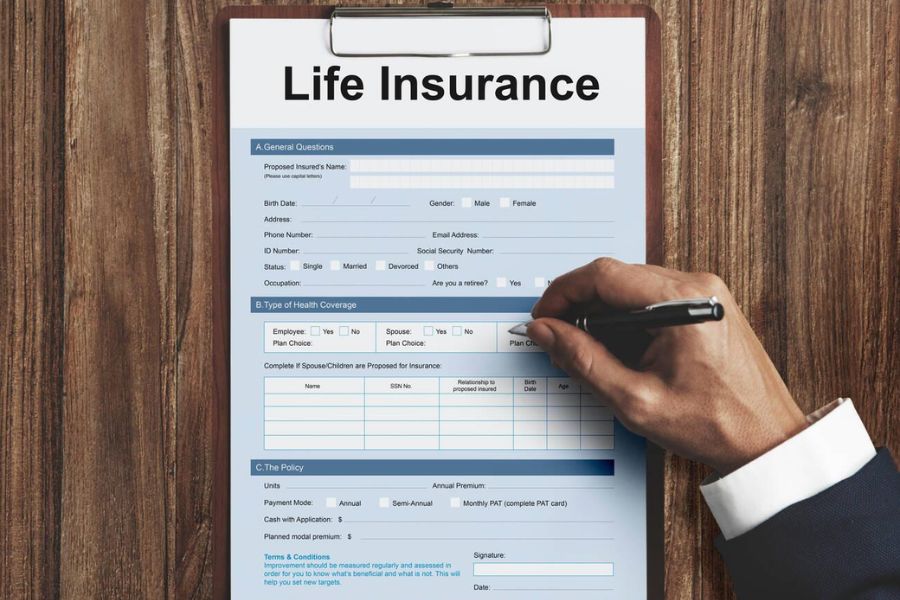
Look at these factors:
- Monthly premium—how much you’ll pay
- Coverage amount—what your family would get
- Policy length—how long you’re covered
- Financial rating—how stable the company is
Don’t just chase the lowest price. A company’s financial strength is just as important.
Some policies have guaranteed level premiums; others might hike rates later.
Other things to check:
- Are rates locked in, or can they go up?
- Any extra fees or special riders?
- Will you need a medical exam?
- How fast is the application process?
Always read the fine print. Some quotes look great until you see the conditions.
Tips for Getting the Best Rates
If you’re under 30, you’ve got an edge. Age is a huge factor in your rate.
Try these strategies:
- Apply while you’re young and healthy
- Go for term life instead of permanent
- Only buy as much coverage as you need
- Keep up healthy habits
Health stuff that affects your rate:
- Smoking (don’t do it—non-smokers pay way less)
- Weight and fitness
- Your medical history
- Family health background
Always get several quotes. Rates can swing by 50% or more for the same person.
Timing counts, too. Rates usually rise 4.5% to 9.2% every year as you age.
A few money-saving tips:
- Apply before your next birthday
- Pay annually if you can—it’s often cheaper
- Use agents who work with multiple companies
- Compare at least 3-5 quotes before deciding
Be honest on your application. Fudging the details can get your policy canceled when your family needs it most.
Factors That Impact Life Insurance Premiums for Young Adults
When you’re young and thinking about life insurance, it’s easy to feel overwhelmed by all the factors companies consider. Insurers dig into your health, lifestyle, and even your job before they’ll settle on a premium.
They don’t just guess—underwriters actually look at your age, health, and some personal stuff to figure out your risk level. It’s a bit like being sized up for a loan, but with more questions about your hobbies.
The Underwriting Process Explained
Let’s talk about underwriting. This is where the company decides how much you’ll pay.
They’ll start by checking your age. Honestly, this is huge—being young works in your favor. If you’re in your twenties, you’ll pay way less than someone the same health but older.

Underwriters look at:
- Your current health and medical history
- Any family history of hereditary problems
- Your height and weight (yes, those charts matter)
- Your job, especially if it’s risky
- How you spend your free time
Gender comes into play too. Women usually get lower rates—apparently, the stats say women live longer.
After gathering all this, the underwriter gives you a health rating. If you land in a top health class, you’ll snag the lowest premiums.
Accelerated Underwriting and No-Exam Policies
Here’s where things get interesting. Some companies use accelerated underwriting, which leans on tech and skips the medical exam.
They’ll run your info through algorithms, check databases, and sometimes approve you in a day or two.
A lot of young adults can get no-exam policies for coverage up to a certain amount. These rely on health questions and prescription records instead of that awkward doctor visit.
Why accelerated underwriting rocks:
- Approvals can come in 24-48 hours
- No needles, no exams
- Less paperwork (who doesn’t love that?)
- Premiums are just as good as traditional policies
Coverage for no-exam policies usually falls between $250,000 and $1 million. If you want more, you’ll probably need a full medical check.
Some insurers even offer instant approvals for healthy young folks applying for term policies under a set amount.
How Health and Lifestyle Affect Rates
Your health matters—a lot. If you’ve got current or past medical issues, insurers will bump up your rates.
Medical exams test things like blood pressure and cholesterol. If your results aren’t great, expect higher premiums or maybe even a denial.
Lifestyle choices that raise your rates:
- Smoking (seriously, it can double your premium)
- Heavy drinking
- Extreme hobbies (skydiving, rock climbing—fun, but costly)
- Risky jobs
- Bad driving records
Your weight isn’t just a number here. Insurers use charts, and being overweight or obese means you’ll pay more.
Family history can trip you up too. If close relatives had heart disease, cancer, or diabetes, your rates might climb.
Want better rates? Start by living healthy before you apply. If you quit smoking and keep it up for a year, you could qualify for non-smoker rates.
Additional Options and Riders to Consider
People under 30 have some cool options. Many jobs toss in group life insurance for cheap, sometimes automatically. There’s also final expense insurance, which is meant to cover funeral costs and debts if you don’t need a big policy yet.
Group Life Insurance Through Employers
Lots of employers offer group life insurance as a perk. It’s cheap since they spread the risk among everyone at work.
Usually, you get coverage equal to one or two years’ salary. Sometimes, it’s free. You can pay extra for more coverage if you want.

Perks of group coverage:
- No medical exams
- You’re covered as soon as you start work
- Premiums are lower than buying your own
- Payments come straight out of your paycheck
But here’s the catch—if you leave your job, your coverage usually disappears. If you’re a job hopper, look for portable options. Some companies let you convert group policies to individual ones when you leave.
Group policies are a good starting point, but they shouldn’t be your only safety net. As your income grows, you’ll want to layer on a personal term policy.
Final Expense Insurance for Young Adults
Final expense insurance is all about covering the basics. Think $5,000 to $25,000—enough for a funeral and a few bills, but not much beyond that.
If you’re just starting out and don’t have a ton of assets, this might be enough. The premiums stay low, and it’s pretty easy to qualify.
Why people like final expense policies:
- Guaranteed acceptance is often an option
- No medical exams for most folks
- Your premiums won’t go up
- Beneficiaries get a quick payout
You’ll pay more per dollar of coverage than you would with a big term policy, but it’s a lifeline if you can’t qualify for standard insurance.
Final expense insurance can help cover urgent costs while you build up savings and consider bigger policies later.
Frequently Asked Questions
Buying life insurance in your twenties? You’ll have some questions. Here are the answers I wish I’d had when I started looking.
What factors should young adults consider when choosing the best whole life insurance policy?
Before picking a whole life policy, think about your long-term financial goals. The cash value grows tax-deferred, which is a nice perk if you’re in it for the long haul.
Affordability is huge—whole life costs a lot more than term. Make sure you can keep up with payments for life, or it’s not worth it.
Check out the insurer’s dividend history and financial strength. If the company’s solid, you’ll get more value over time.
Pick a coverage amount that fits your needs now, but also look for policies that let you increase coverage later without another medical exam.
How does age affect the cost of life insurance policies for individuals under 30?
Age matters—a lot. If you’re under 30, your premiums are way lower. For example, a 30-year-old might pay $14 a month for a $250,000 term policy. Wait a few years, and the price jumps.
Lock in your rates early, and you’ll save a ton over the policy’s life. Even a small age difference can make a noticeable dent in your wallet.
Young people usually get the best health ratings, which means the lowest premiums.
If you wait, you’ll pay thousands more over time. Buying early is a smart move.
Why is whole life insurance a suitable choice for 18 to 30-year-olds?
Whole life insurance gives you coverage forever. You never have to reapply, even if your health changes.
The cash value grows tax-advantaged, and starting young gives you decades for it to build up.
Your premiums stay the same for life, so you won’t get any surprises as you age.
Some policies pay dividends, which can lower your costs or boost your benefits. The longer you hold the policy, the more valuable this gets.
What tips can help secure the cheapest life insurance rates for young adults?
Stay healthy—exercise, eat well, and skip the cigarettes. Insurers reward you with the best rates if you’re in top shape.
Always get quotes from several companies. Some specialize in young, healthy applicants and offer better deals.
Term life insurance is usually the cheapest way to get solid coverage. For most young adults, it’s more than enough.
If you qualify for a no-exam policy, go for it. It’s faster, and you skip the hassle of a medical check.
How do life insurance needs differ for a 30-year-old male versus female?
Men usually pay a bit more—about $14 a month for a $250,000 policy, compared to $12 for women.
But really, your coverage needs depend more on your life situation than your gender. Think about your income, debts, and whether anyone relies on you.
Your career and earning potential can affect how much insurance you need. If you’re making more, you’ll want more coverage.
Family plans and timing matter too. Both men and women should look at their future obligations before deciding on an amount.
Can young adults benefit from the 10x income rule when buying life insurance?
Let’s talk about the 10x income rule—it pops up a lot when folks start thinking about life insurance. Basically, it says you should snag coverage that’s ten times your annual income. Sounds simple, right? But honestly, it doesn’t always fit every young adult’s situation.
If you’re just starting out and your paycheck isn’t huge yet, you might wonder if this rule really makes sense. I get it. Maybe your career’s on the upswing, and you expect your income to jump in the next few years. In that case, sticking to just 10x your current salary could leave you underinsured down the road.
Then there are those pesky student loans or other debts hanging over your head. If you’ve got a big chunk of debt, you’ll probably need more coverage than the rule suggests. The 10x guideline doesn’t really care about your specific financial baggage.
If you don’t have kids or anyone relying on you, you might not need as much coverage right now. But if you’ve got a spouse or little ones, you’ll want to think about bumping up those numbers. Everyone’s situation looks a bit different, so it’s worth taking a closer look at your own needs instead of just following a rule.
