

Let’s be real—managing money shouldn’t drain your wallet or force you into pricey subscriptions. Free financial tools can help you take control of your budget, crush debt, grow your wealth, and monitor your credit—all without spending a dime.
I’ve tried everything from real-time budgeting apps to debt calculators that whip up custom payoff plans. Honestly, these no-cost resources pack a punch, offering many of the features you’d expect from expensive software.
The beauty of free financial tools is that they smash down those annoying barriers that keep people from taking charge of their money. Whether you’re a student living on ramen or a family hustling for your first home, these apps and websites make financial planning fair game for everyone.

Many of these platforms also toss in educational resources and custom insights. That’s huge for building better habits over time.
With so many free options out there, the trick isn’t finding tools—it’s picking the ones that actually work for you. Mix up the right budgeting apps, debt trackers, investment platforms, and credit monitoring services, and you’ll start seeing your finances in a whole new light.
Key Takeaways
- Free financial tools offer robust budgeting, debt management, and investment tracking—no monthly fees required.
- These platforms make financial planning possible for anyone, at any income, and often come with resources to help you build smarter money habits.
- Using a few of the right free tools regularly can help you take charge of your finances and get closer to long-term wealth.
Why Free Financial Tools Are Essential
I’ve noticed that free financial tools kick down those cost walls that keep people from improving their money situation. They give you pro-level education and practical ways to build wealth at any stage of life.
Empowering Financial Literacy
Let’s be honest, financial literacy is the backbone of good money management. It’s about knowing the basics—budgeting, saving, investing.
A lot of us missed out on these skills because traditional financial education can get expensive. Free tools flip the script by making quality education open to everyone.
Key areas where free tools build literacy:
- Personal budgeting and expense tracking
- Understanding credit scores and reports
- Investment basics and retirement planning
- Debt management strategies
Platforms like Khan Academy and Coursera have full courses on personal finance. I’ve seen the same lessons there that advisors charge hundreds for.
The Consumer Financial Protection Bureau serves up calculators and guides that break down tricky topics. You can learn at your own speed without any sales pitch.
When you build up your financial literacy with free resources, you set yourself up for smarter decisions for years to come.
Achieving Financial Freedom
Financial freedom? That’s the dream—having enough to live well without sweating the bills or emergencies. Free financial tools help you get there faster.
Budgeting apps track your spending and help you spot places to save. Those savings can go toward knocking out debt or padding your emergency fund.
Free tools that speed up financial freedom:
- Debt payoff calculators for smarter payment plans
- Investment trackers that watch your portfolio grow
- Savings goal calculators that break big dreams into steps
- Expense categorization tools that highlight spending habits
The Federal Reserve Education platform teaches wealth-building strategies that top investors use. You’ll learn why compound interest is magic and why starting early pays off.
A lot of free tools also motivate you with visual progress bars. Watching your debt shrink or savings grow? That’s a rush that keeps you going.
Personalizing Your Financial Journey
Everyone’s financial story is different. Free tools let you pick and choose what fits your needs and goals.
A college student needs different advice than someone eyeing retirement. Free platforms offer specialized content for every stage.

Single parents might zero in on budgeting and debt reduction. Young professionals? They often need investment tips and retirement calculators.
Personalization features in free tools:
- Age-specific financial strategies
- Income-based budgeting tips
- Goal-focused savings calculators
- Risk tolerance quizzes for investing
AARP gives targeted advice for older adults planning retirement. YNAB workshops help younger folks reel in their spending.
Choosing the right tools saves you time and gives you better advice. You can focus on what matters most right now.
This custom approach makes financial planning way less overwhelming. Start with the basics, then add more features as you get comfortable.
Popular Free Budgeting and Planning Tools
You don’t have to pay to get organized. Free budgeting apps like Goodbudget and SoFi Relay let you track your spending and stay on top of bills—no monthly fees attached.
Budgeting Apps for Smarter Spending
There are plenty of free budgeting apps that help you rein in spending and build better habits. Goodbudget uses the digital envelope method, so you assign every dollar a job.
It’s great for beginners. You enter transactions yourself, which keeps you mindful of your money.
SoFi Relay automatically connects to your bank and credit cards. It sorts your expenses and shows trends over time.
You’ll also get free credit score monitoring and tips. Linking multiple accounts gives you a bird’s-eye view of your finances.
Rocket Money is all about finding sneaky subscriptions and recurring charges. It shows you what you’re paying for every month.
The free version lets you cancel unwanted subscriptions and can save you a surprising amount each year.
Bill Reminders and Expense Tracking
Most free budgeting apps include bill reminders so you don’t miss payments. These tools ping you before due dates and track your spending automatically.
Empower links up with checking, savings, and investment accounts. It sorts your transactions and gives you spending reports.
You can see exactly where your money goes each month, across all your accounts.
GnuCash is a bit more advanced and works well for small business owners. It uses double-entry accounting and handles multiple currencies.
The desktop app keeps your data on your own computer. That’s extra peace of mind if you worry about privacy.
Setting and Tracking Financial Goals
Setting financial goals is key, and free tools make it easy to track your progress.
SoFi Relay lets you set savings goals and shows how much you need to stash away each month.
Goodbudget’s envelope system works for couples and families, too. You can pool money for vacations, emergencies, or other big-ticket items.

A lot of apps have progress bars and charts. Seeing your goals inch closer is a real motivator.
Building an emergency fund is one of the smartest moves you can make. These tools help you prepare for life’s curveballs.
Top Free Debt Reduction and Management Resources
Tackling debt feels less scary with the right free tools. They help you build payoff plans, manage student loans, and figure out mortgage payments.
Debt Payoff Planners and Strategies
Free debt payoff planners lay out a clear path to becoming debt-free. They calculate payment schedules and show how different strategies play out.
The debt snowball method has you pay minimums on everything but throw extra cash at your smallest debt first. It’s all about quick wins for motivation.
The debt avalanche method targets your highest-interest debt first. You’ll save more money overall, but progress might feel slower at first.
Popular free debt payoff tools include:
- Debt Reduction Calculator for payoff timelines
- Snowball vs. Avalanche Calculators to compare strategies
- Payment Schedule Planners for month-by-month plans
These tools track your progress and send reminders. Watching your interest charges drop and your debt shrink is a huge motivator.
Tools for Student Loan Management
Student loans need their own set of tools. Free resources help you sort out federal and private loans, compare repayment plans, and track progress.
The Federal Student Aid website has official calculators and repayment estimators. You can see what your monthly payments would look like under different plans.
Student loan calculators let you play with extra payments and see how much interest you’ll save.
Look for these features:
- Income-driven repayment calculators
- Forgiveness program checkers
- Consolidation comparison tools
- Interest calculators
Some tools also walk you through loan forgiveness programs and keep tabs on qualifying payments for Public Service Loan Forgiveness.
Mortgage and Loan Calculators
Thinking about buying a home? Free mortgage calculators break down the costs and help you figure out what you can afford.
Mortgage payment calculators include principal, interest, taxes, and insurance. That way, you get the full picture.
Refinancing calculators show if swapping your loan for a new one could save you money. They compare your current payments to new rates and terms.
Handy calculator types include:
- Monthly payment estimators
- Affordability checkers
- Refinancing comparison tools
- Extra payment calculators
Throwing a little extra at your mortgage each month can shave years off your loan and save thousands in interest. These calculators show you exactly how much you’ll save.
You can also compare different loan types—15-year vs. 30-year, fixed vs. adjustable—so you don’t get blindsided by fine print.
Best Free Investment and Wealth Building Platforms
Investing isn’t just for the wealthy anymore. Modern platforms ditched high fees and minimums, so anyone can start building wealth—even with pocket change.
Getting Started with Investing
Robinhood made commission-free trading mainstream. You can buy stocks and ETFs with zero fees and a super simple app.
Fractional shares let you own a piece of big-name stocks like Amazon or Tesla for just a few bucks. Robinhood also has basic research tools and market news.
Fidelity and Charles Schwab take it up a notch with more research, education, and access to thousands of mutual funds—again, no transaction fees.

They’re perfect for building diverse portfolios with index funds and ETFs. Index funds track the market, giving you instant diversification at rock-bottom costs.
Most brokerages now offer:
- Commission-free stock trades
- Fractional shares
- Beginner-friendly educational content
- Mobile apps with all the bells and whistles
Commission-Free Stock and ETF Tools
ETFs are the new go-to for building a modern portfolio. They trade like stocks but hold a basket of investments.
Popular ETF picks include:
- Total stock market funds (VTI, ITOT)
- S&P 500 index funds (SPY, VOO)
- International funds (VTIAX, FTIHX)
- Bond funds (BND, AGG)
Major platforms now offer thousands of ETFs with zero commission fees. That means you can go global for free.
M1 Finance lets you build “pies” by picking what percent of your portfolio goes where. It automatically rebalances and reinvests dividends—super hands-off.
Webull gives you advanced charting and analysis tools for free. If you’re into technical analysis, it’s a solid pick.
Micro-Investing Platforms
Acorns kicked off the micro-investing trend. It rounds up your purchases and invests the spare change into ETF portfolios.
Buy a $4.50 coffee? Acorns rounds it to $5 and invests the extra 50 cents for you. It’s set-and-forget investing, perfect for folks who don’t want to think about it.
You get five portfolio options, from conservative to aggressive, all managed by pros.
Stash mixes micro-investing with bite-sized lessons. You can start with just $5 and pick themed portfolios like “Clean & Green” or “Defensive Playing.”
Both apps charge small monthly fees but make investing simple for beginners. If you struggle to invest regularly, these platforms give you a helpful nudge.
Credit Monitoring and Financial Health Checkups
Your credit score matters for loans, interest rates, and even jobs. Free tools like Credit Karma and official credit reports help you keep tabs on changes and spot fraud before it gets out of hand.
Free Credit Score Monitoring Apps
Let’s talk about credit score apps—because honestly, who wants to pay for something you can get for free? Credit Karma is the go-to for most people. I’ve used it myself, and it pulls scores from Equifax and TransUnion, updating them every month. There’s a neat simulator, too; you can mess around with “what if I pay off this card?” and see how your score might react.
Credit Sesame keeps things simple. It updates your TransUnion VantageScore and shows you what’s helping or hurting, like debt-to-income ratios. The “Credit Report Card” gives you letter grades for each factor, which is way more motivating than just staring at a number.
Discover Credit Scorecard doesn’t care if you’re a Discover customer or not, which is refreshing. It gives you your actual FICO score—the one most lenders care about. You get monthly updates, and it breaks down why your score went up or down in plain English.
Capital One CreditWise brings something extra: dark web monitoring. It’ll alert you if your info pops up in a data breach. That’s peace of mind you didn’t even know you needed.
These apps buzz your phone when your score changes a lot, or if someone opens a new account in your name, or you miss a payment. Super useful if you’re trying to stay on top of things.
Understanding and Accessing Your Credit Report
Here’s a fun fact: Federal law gives you one free credit report per year from each of the big three—Equifax, Experian, and TransUnion. You grab them at AnnualCreditReport.com.
Your credit report isn’t just a number. It lists every account, your payment history, balances, credit limits, and even how long you’ve had each account. Curious about who’s poked around your credit lately? That’s in there, too.
I like to spread out my requests—get one report every four months from a different bureau. That way, you’re basically monitoring your credit all year without paying a dime.
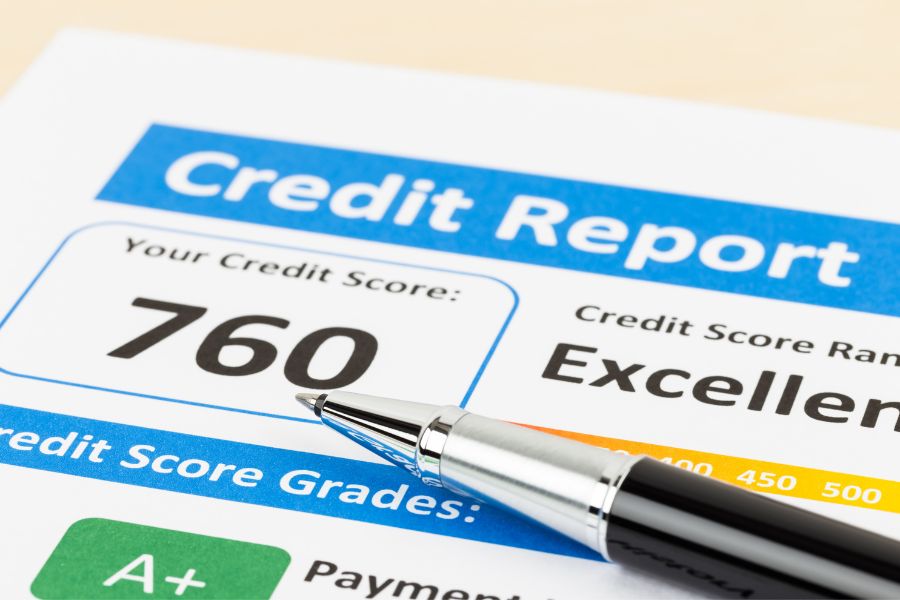
Always check for errors. Sometimes there’s an account you don’t recognize or a payment marked late by mistake. Even tiny errors can tank your score. The Consumer Financial Protection Bureau found about 20% of people spot mistakes on their reports. That’s a lot!
Improving and Protecting Your Credit
Let’s get practical. Pay bills on time. I know, everyone says it, but it’s true—payment history is 35% of your FICO score. Setting up autopay for at least the minimum can save you from a late fee (and a ding to your credit).
Keep your credit card balances low. Try to use less than 30% of your limit. Under 10% is even better, if you can swing it.
Don’t close old credit cards unless they’re charging you fees. The age of your accounts matters, and having more available credit helps your score.
Check for fraud regularly. I peek at my accounts every week and my credit report every month. If you spot something weird, call your bank and the bureaus right away.
Go easy on new credit applications. Each time you apply, your score can dip a few points. Only open new credit when you really need it.
If you’re not planning to borrow money soon, think about a credit freeze. It keeps scammers from opening new accounts in your name.
Additional Essential Free Tools for Every Financial Situation
There’s more to financial freedom than just budgeting apps. Tons of specialized free tools can help with taxes, tough calculations, or just learning the basics. I’ve tried a bunch and found some real gems for filing taxes, figuring out investments, or wrapping your head around money management.
Free Tax Filing and Refund Trackers
The IRS Free File program is a lifesaver if you make under $79,000. You can file your federal taxes online for free, using software from big-name companies.
TurboTax Free Edition is great for simple returns. It handles W-2s, standard deductions, and basic tax credits without charging you.
Some of the top free tax filing options:
- IRS Free File (income limits apply)
- TurboTax Free Edition
- H&R Block Free Online
- TaxAct Free Federal Edition
Credit Karma Tax is totally free for both federal and state returns, no income limits. They make money by recommending financial products, not by charging you.
Most tax apps have built-in refund trackers, so you can see where your money is. The IRS’s “Where’s My Refund?” tool updates within a day after you e-file.
Financial Calculators for Every Need
Free calculators online can save you from a lot of guesswork. Mortgage calculators break down your monthly payments and total interest, so you know what you’re getting into before you sign anything.
Investment calculators are eye-opening. You can see exactly how much your savings will grow if you start now versus waiting—compound interest is wild.
Must-try calculators:
- Mortgage and loan payment calculators
- Retirement savings calculators
- Debt payoff calculators
- Investment growth calculators
- Budget and expense calculators
Sites like Bankrate, NerdWallet, and SmartAsset have huge collections, and you don’t even have to sign up.
Debt payoff calculators are my favorite. They let you compare methods like the snowball or avalanche, and show how extra payments can save you money and time.
Personal Finance Education Resources
Khan Academy has a free financial literacy course that covers everything: budgeting, saving, investing, and dealing with credit. The lessons are short, practical, and easy to follow.
The Consumer Financial Protection Bureau has free guides that explain tricky topics in plain language. Anyone can understand them, even if you’re just starting out.

Here are some top picks:
- Khan Academy Financial Literacy
- Coursera personal finance courses
- CFPB educational resources
- Federal Reserve education materials
Nonprofits often run free workshops and webinars. They focus on stuff like homebuying, retirement, or getting out of debt.
YouTube is packed with certified financial planners giving away free advice. Some of the best break down big topics into bite-sized, no-nonsense videos—no sales pitches, just real info.
Frequently Asked Questions
People ask a lot of questions about free financial tools. I get it—there’s a lot out there, and it can get overwhelming. Here are some answers to the most common ones.
What are the top free budget apps to help manage personal finances?
Mint is the classic. It pulls in your bank and credit card info, tracks spending, and sorts it all into categories. Super easy to use.
YNAB (You Need A Budget) offers free workshops to teach their system. Their “Introduction to Spendfulness” has helped tons of people finally get their budgets under control.
PocketGuard keeps things simple. It shows you how much money is safe to spend after bills and savings, so you don’t accidentally overspend.
EveryDollar uses a zero-based budget approach. You give every dollar a job. The free version lets you enter transactions manually and build a basic budget.
How can adults improve their financial literacy using free resources?
Khan Academy’s Financial Literacy Course is a great starting point. It walks you through budgeting, saving, and investing step by step.
AARP has free financial tips and news for all ages. They focus on retirement, but there’s good advice for anyone planning ahead.
Udemy’s “Personal Finance 101: Everything You Need to Know” covers the basics and follows the U.S. Treasury’s financial education guidelines.
Public libraries are underrated. They offer free books and workshops, sometimes even partnering with financial pros for live seminars.
What are the best free financial planning tools available for personal use?
SmartAsset’s SmartReads platform has calculators for retirement and more. You can see projections and play with different scenarios.
The Consumer Financial Protection Bureau gives you free tools for credit cards, mortgages, and retirement. Their advice is unbiased and super practical.
Schwab Moneywise includes calculators for savings and debt payoff, plus a quiz to check your financial fitness.
MyMoney.gov is the government’s main hub for financial education, with tools for saving, investing, and spending.
Where can I find free financial planning worksheets to track my expenses?
Coursera offers a guided project to help you build a budget in Google Sheets. You’ll learn to set up, edit, and format your own budget.
The Federal Reserve Education platform has free worksheets and materials for tracking expenses and learning basic economics.
Schwab Moneywise gives out free worksheets alongside their calculators and quizzes. They’re great for taking a snapshot of your finances.
InCharge Debt Solutions focuses on budgeting and saving with their free worksheets. They’re designed to help you build strong money habits.
Can you explain the 50/30/20 budgeting rule and how it applies to financial planning?
The 50/30/20 rule is a simple way to manage your money. You split your after-tax income into three buckets.
Fifty percent goes to needs—stuff like rent, groceries, utilities, and minimum debt payments. These are the must-haves.
Thirty percent is for wants. That’s your fun money: dining out, hobbies, entertainment, and non-essentials.
Twenty percent goes to savings and extra debt payments. This covers your emergency fund, retirement, and paying down loans faster. I use this rule myself, and it’s made budgeting feel a lot less stressful.
How does the 7% rule work in finance and investing, and how can it impact long-term savings?
Let’s talk about the 7% rule—it’s kind of a classic in the world of investing.
Basically, people use this number as a ballpark for the average annual return of the stock market over the long haul. I’ve leaned on it myself when I’m trying to figure out just how much my investments could actually grow.
Here’s where it gets interesting. If you use the rule of 72, you’ll see that with a 7% annual return, your money doubles about every 10 years. That’s not just some abstract math trick; it’s a way to really see the magic of compound growth in action.
So, let’s say you toss $10,000 into an investment and leave it alone. After 10 years at 7%, you’re looking at roughly $20,000. Give it another decade, and suddenly you’re at about $40,000—even if you didn’t add another dime.
I find the 7% rule super helpful for setting long-term goals. It gives you a framework to dream big but stay grounded.
But here’s the thing: the market doesn’t hand out 7% every single year. Some years are great, others… not so much. It’s just the nature of the game.
Still, keeping that average in mind can help you stay focused—and maybe even a little bit optimistic—about your financial future.
