

Honestly, your 30s can feel like the decade when you finally get your financial act together, right? But wow, a few wrong moves can turn all that optimism into a giant money pit. I walked into my 30s thinking I’d crush it, only to watch more than $50,000 slip through my fingers thanks to some classic mistakes.
Let’s be real—most expensive financial errors in your 30s come from overspending on credit, ignoring investments, and just not paying enough attention to the basics. These little slip-ups pile on each other until you’re staring at a bank account that should be way fatter.

But honestly, you don’t have to repeat my mistakes. If you know what to look out for, you can sidestep these money traps and actually use your 30s to build wealth instead of digging out of a hole.
Key Takeaways
- Credit card overspending can snowball into thousands in debt and interest.
- Waiting to invest means you miss out on the magic of compound growth.
- Skipping financial education and new income streams keeps you stuck.
The Biggest Money Mistakes That Cost Me $50K
These four mistakes didn’t just hurt my wallet—they set off a chain reaction that cost me in interest, lost investment growth, and emergencies I had to pay for with plastic.
1. Letting High-Interest Debt Linger
I let $15,000 in credit card debt at 22% interest hang around way too long. Those minimum payments? They sucked up over $300 a month just in interest.
The worst part? That debt kept me from investing extra cash that could’ve grown into something real.
High-interest debt feels like reverse compound interest. Every month, more money vanished into thin air instead of building my future.
Here’s what $15,000 in credit card debt did to my finances:
- Monthly minimum payment: $450
- Interest paid over 5 years: $12,000
- Total paid: $27,000
And get this: If I’d invested that $450 a month in index funds at 7% returns, I’d have around $32,000 after five years. Ouch.
2. Putting Off Retirement Savings (And Missing Compound Interest)
I didn’t start saving for retirement until I hit 35. That delay cost me about $200,000 in lost growth. Ten years—gone.
Compound interest is all about time. Money you invest in your 20s gets decades to multiply.
If you put in $500 a month starting at 25, you could end up with $1.3 million by 65. Wait until 35? You’re looking at $610,000.
Those first ten years? They matter more than any catch-up moves later. I thought I could make up for lost time by saving more in my 40s, but the math just doesn’t work out.
3. Skipping an Emergency Fund
I didn’t bother building an emergency fund, so every surprise expense landed on my credit cards. Car repairs, medical bills, home fixes—they all went straight to high-interest debt.
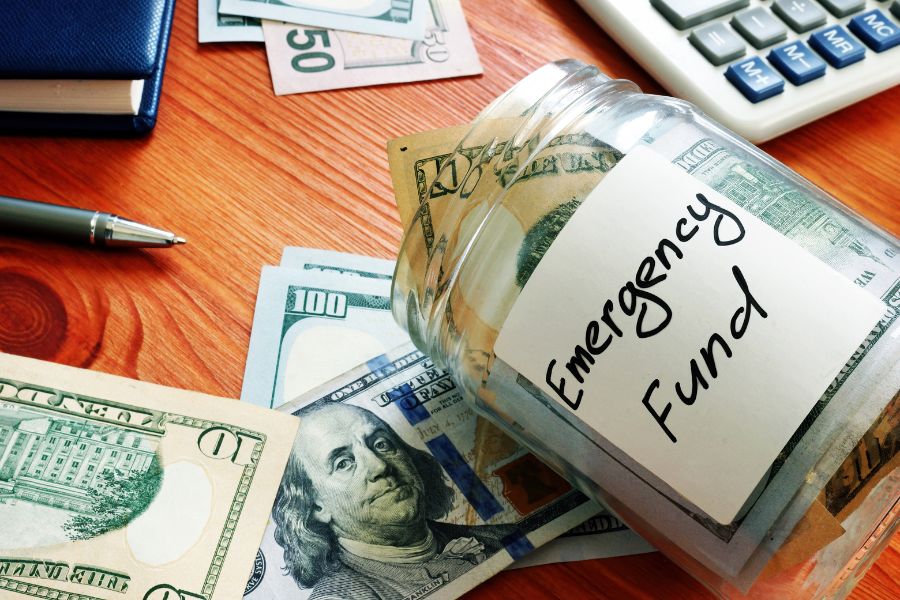
Three emergencies in two years added $8,000 to my balances. With interest, each emergency ended up costing double.
Having even $10,000 stashed away means you can handle life’s curveballs without digging yourself deeper.
Here’s what hit me:
- Car transmission: $3,200
- Emergency dental: $2,800
- HVAC replacement: $4,500
Honestly, everyone faces emergencies. The only question is whether you pay cash or let interest eat you alive for years.
Building that fund meant cutting back on some fun stuff, but the alternative was so much worse.
4. Letting Lifestyle Creep Eat My Raises
Every time I got a raise, I found a way to spend it. Bigger apartment, fancier car, more dinners out—it all felt justified.
Lifestyle creep swallowed $18,000 over five years. That money could’ve wiped out debt or started a killer investment account.
Here’s where my money went:
- Upgraded apartment: +$400/month
- New car payment: +$350/month
- More dining/entertainment: +$300/month
The upgrades felt harmless, but treating every raise like a green light to spend more just kept me stuck. Inflation and job changes made it even riskier.
Want to beat lifestyle creep? Keep your expenses steady and throw the extra income at debt or investments first.
Overspending and Misusing Credit Cards
Credit cards—man, they’re so sneaky. I let daily swipes and missed rewards quietly drain thousands from my budget. It’s wild how small mistakes add up.
5. Using Credit Cards for Everyday Expenses
Swiping for groceries and gas felt painless. I barely noticed the money leaving.
But that plastic made it way too easy to buy stuff I couldn’t actually afford. My balances ballooned because I treated my limit like free money.
With average credit card interest at 25%, my $2,000 grocery bill turned into $2,500 in a year if I didn’t pay it off.
I even started using one card to pay another’s minimum. That’s when I knew I was in trouble.
Biggest lesson? Treat credit cards like cash. If you don’t have the money, don’t spend it—or you’ll pay for it, literally.
6. Ignoring Credit Card Rewards
For years, I stuck with basic cards that gave me nothing back. Meanwhile, I watched friends rack up cash back and travel points.
On $20,000 of annual spending, I missed out on $400–$1,000 in rewards. Travel cards could’ve scored me free flights or hotel nights—nope, I paid full price every time.

Some cards even offered $200–$500 bonuses for signing up. I never bothered to research.
A little financial literacy would’ve put real money back in my pocket instead of giving it to the banks.
7. Not Tracking My Spending
I barely glanced at my credit card statements. All those tiny charges? They added up fast.
Forgotten subscriptions kept hitting my card for months. Ten bucks here, thirty bucks there—suddenly I’d wasted hundreds on stuff I didn’t even use.
I had no clue how much I was spending across multiple cards, so debt crept up without me noticing.
If I’d just set up spending alerts or checked statements weekly, I could’ve dodged a lot of unnecessary debt.
Neglecting Smart Saving and Investing Strategies
Skipping out on smarter saving and investing in my 30s cost me tens of thousands in lost growth. Sometimes it was just laziness—sometimes I just didn’t know better.
8. Sticking With Low-Interest Savings Accounts
I left my emergency fund in a regular bank account earning less than 0.5% interest. High-yield savings accounts pay 4–5% now, which is a game changer.
With $20,000 saved, I lost about $900 a year by not switching. Over five years, that’s $4,500—just gone.
High-yield accounts are FDIC insured, easy to use, and most have no minimums. Switching took me less than an hour online.
9. Missing Out on ETFs and Robo-Advisors
I parked long-term money in savings instead of investing. Big mistake.
A $10,000 investment in a broad market ETF at 7% could’ve grown to nearly $20,000 in ten years. In a savings account at 1%, it barely hit $11,000.
Here’s what I wish I’d done:
- Bought total stock market ETFs with low fees.
- Used target-date funds for set-it-and-forget-it investing.
- Let robo-advisors handle my portfolio for a tiny fee.
Just $100–$500 a month, automatically invested, builds up fast. Timing the market? Forget it—consistency wins.
10. Delaying IRA and Roth IRA Contributions
I didn’t start IRA contributions until my mid-30s. Those lost years cost me thousands in tax benefits and growth.
If you start putting in $6,000 a year at 30 instead of 35, you end up with about $47,000 more at retirement (assuming 7% returns).
Quick IRA comparison:
| Account Type | Tax Treatment | Income Limits (2025) | Best For |
|---|---|---|---|
| Traditional IRA | Tax deduction now, taxed later | $77,000–$87,000 (phaseout) | Higher tax bracket now |
| Roth IRA | After-tax, tax-free growth | $138,000–$153,000 (phaseout) | Expect higher future income |
Roth IRAs are awesome if you think you’ll earn more later. Tax-free withdrawals in retirement? Yes, please.
Max out IRAs before taxable accounts. The tax breaks add up big time.
Letting Poor Financial Literacy Guide Decisions
Not knowing the basics cost me thousands. Inflation, missed HSA opportunities, and ignoring future planning all came back to bite me.
11. Underestimating Inflation
I thought parking money in savings protected me. Turns out, inflation quietly eats your cash every year.
With inflation averaging 3.2% lately, $10,000 in a 0.5% account lost about $2,700 in value over a decade.

Here’s the reality:
- $50,000 in cash loses $1,600 a year to 3.2% inflation.
- Regular savings accounts actually shrink your buying power.
- Emergency funds lose value if you let them sit too long.
The fix? Find returns that beat inflation. High-yield accounts and investments are your friends.
I used to fear market drops more than inflation, but honestly, inflation is the real guaranteed loss.
12. Not Using an HSA to Its Full Potential
HSAs are amazing, but I barely used mine. Most people don’t realize how much they can save.
HSAs give you triple tax benefits:
| Tax Stage | Benefit |
|---|---|
| Contribution | Tax deductible |
| Growth | Tax-free |
| Withdrawal | Tax-free for medical expenses |
I only put in about $2,000 a year, but you can do $4,150 (individual) or $8,300 (family) in 2024.
If you max out HSA contributions for 20 years, you could save around $25,000 in taxes and build a solid medical fund.
After 65, you can use HSA money for anything—just pay regular income tax if it’s not for medical. No penalties.
Most people treat HSAs like a checking account, but investing those funds is where the real growth happens.
If you’re in your 30s, don’t let these mistakes sneak up on you. Learn from my mess-ups, take action early, and let your money actually work for you. It’s not about being perfect—it’s about making smarter moves, one step at a time.
Not Planning for Inheritance or Windfalls
Sudden wealth can really throw people off. I’ve seen it happen—one day you’re just living your life, and the next, you’re staring at a pile of money you never expected.
It sounds amazing, but honestly, it’s easy to mess up and miss out on huge opportunities. Poor planning can turn a lucky break into a big headache.
Most windfalls come from things like inheritance, insurance payouts, business sales, or legal settlements. People who don’t get solid guidance usually make some costly mistakes.
Typical windfall mistakes:
- Paying unnecessary taxes right away
- Spending big before thinking about taxes
- Skipping retirement account contributions
- Ignoring estate planning
Imagine inheriting $100,000 and handing over $30,000 in taxes you didn’t need to pay. Ouch. You might also forget to top up your retirement accounts or skip building an emergency fund.
I know, professional financial advice isn’t free—it usually costs 1-2% a year. But in my experience, that fee often pays for itself and then some, especially when it comes to taxes and investments.
The problem? Windfalls rarely come with a pause button. People feel rushed to make decisions about money they never saw coming.
Missing Out on Extra Income Opportunities
If I had a dollar for every time someone regretted not earning more in their 30s, I’d probably have a pretty solid side hustle myself. Most folks leave serious money on the table by ignoring extra income opportunities.
Whether it’s skipping side gigs or not pushing for promotions, these missed chances can easily add up to $50k—or more—over a decade.
Avoiding Side Hustles for Additional Savings
A lot of people write off side hustles. Too much work, not enough payoff, right? Honestly, that mindset can cost you thousands every year.
Take freelance writing as an example. Earning $500 a month adds up to $6,000 a year. Over five years, that’s $30,000 you could stash in savings or invest.

The trick is picking something that fits your skills. Designers can do logos, teachers can tutor online, and even something like dog walking or food delivery can bring in $200-400 a month with minimal hassle.
Popular side hustle options:
- Freelance writing or design
- Online tutoring
- Rideshare driving
- Social media management
- Pet sitting services
Here’s where it gets wild: invest that $500 a month at 7% annual returns, and you’re looking at over $43,000 after ten years. That’s just from a side gig.
Not Leveraging Income Growth for Wealth Building
When people get raises, they usually spend most of it on lifestyle upgrades. I see it all the time—bigger apartments, fancier dinners, new gadgets.
Let’s say you get a $10,000 raise. Most folks spend $8,000-9,000 of it without thinking. Saving the difference? That’s where real wealth starts to build.
I tell friends to save at least half of any raise or bonus. If you were living fine before, why not keep banking the extra?
Effective strategies include:
- Automatically transferring your raise to savings
- Increasing retirement contributions with every promotion
- Opening a separate investment account just for bonus money
A $15,000 annual raise, invested wisely, could grow to over $200,000 in 15 years. Most people never see that, because the money disappears into daily life.
Honestly, saving extra income instead of spending it is often what separates people who reach financial independence in their 40s from those still grinding in their 60s.
Frequently Asked Questions
Let’s dive into some of the most common questions I hear about financial mistakes and how to recover. These answers come from real experiences and a lot of trial and error.
What are common financial blunders young adults face and how can they avoid them?
Credit cards are a big trap. I’ve watched friends make only minimum payments, then wonder where all their money went years later.
Another misstep? Treating emergency funds like a piggy bank for vacations or shopping sprees. That’s a fast way to get caught off guard.
Lifestyle inflation sneaks up fast. New job, new salary, suddenly you “need” a new car or apartment. Most people spend every extra dollar instead of saving it.
Not investing early is probably the most expensive mistake. Wait five years to start, and you could lose out on hundreds of thousands in growth.
People also obsess over $5 coffees but never ask for a raise or start a side hustle. It’s the big moves that matter most.
How can understanding the concept of financial mistakes empower better money management?
Recognizing mistakes takes away the shame. Everyone messes up; what matters is learning and moving forward.
Tracking errors reveals your real spending patterns. It’s eye-opening to see where your cash actually goes.
Compound interest works both ways. Debt grows against you, but investments can work for you if you get started soon enough.
Mistakes show the true cost of decisions. That $20,000 car loan at 6%? You’ll pay $23,000 by the end.
Learning from slip-ups builds confidence. Once you know what went wrong, you make better choices next time.
What steps should you take after realizing a significant financial mistake in your 30s?
First, stop the bleeding. Figure out what’s causing the problem—maybe it’s overspending, bad investments, or debt.
Next, get a clear picture of your finances. Write down all debts, assets, income, and monthly expenses. You can’t fix what you don’t see.
Focus on paying off high-interest debt before building up savings. Paying 18% on a credit card while earning 1% in a savings account just doesn’t add up.
Automate your good habits. Set up automatic transfers to savings and pay bills automatically to avoid late fees.
Look for ways to earn more—ask for a raise, start a side hustle, or pick up a new skill. Earning more often speeds up recovery.
Don’t be afraid to ask for help. Financial advisors or debt counselors can really make a difference if things feel overwhelming.
What are historical financial missteps that modern savers can learn from?
The dot-com bubble taught us not to chase trends. Plenty of people lost their retirement savings betting everything on tech stocks in the late ‘90s.
The 2008 housing crisis showed the dangers of too much debt. Buying homes you can’t afford? That led to foreclosures and bankruptcies everywhere.
Trying to time the market rarely works. History shows that investors who stay the course do way better than those who jump in and out.
Past recessions prove why you need an emergency fund. Without savings, people lost homes and faced tough times.
High inflation years remind us: parking all your money in low-yield savings accounts just means it’s worth less over time.
How can individuals cope with the financial pressure during their 30s and what strategies lead to stability?
Set up separate funds for different needs. Have one for emergencies, another for car repairs, one for vacations—don’t mix them all together.
Focus on earning more, not just cutting back. A $300 raise does a lot more than skipping every coffee out.
Build systems that run on autopilot. Automatic savings and bill pay take the stress out of money management.
Track your spending for a month. You might be surprised—most people spend way more on restaurants and subscriptions than they realize.
Start investing, even if it’s just $100 a month. Consistency beats timing the market every single time.
What are smart financial benchmarks to aim for by the age of 30?
Let’s talk about that emergency fund first. You’ll want to stash away three to six months of living expenses where you can reach it fast—think savings account, not under the mattress. I know it’s not the most exciting goal, but when life throws curveballs, you’ll be glad you did it.
Next, kick high-interest debt to the curb. Credit cards with 18-25% interest? They’ll eat your future wealth alive. I learned the hard way that carrying a balance just isn’t worth it.
Aim to save at least 15% of your gross income for retirement. Start with your 401k or an IRA. If you get a head start by 30, compounding can really work its magic over the next few decades.
Keep your credit score above 740 if you can. That number opens doors to better mortgage and loan rates. Trust me, good credit can save you thousands over the years.
Don’t just stop at retirement accounts. Start building up taxable investment accounts too. These give you options for big goals before retirement—maybe a house, or even a dream trip.
Track your net worth every month. Watch that number grow as you pay down debt and build up your assets. It’s honestly motivating to see progress, even if it’s slow some months.
