

Let’s be honest: crypto investing doesn’t have to eat up your life. I used to think you had to stare at charts all day, but after a few stressful weeks, I realized there’s a better way. A set-and-forget strategy lets you build wealth in crypto by making a few smart choices upfront—and then just letting time do its thing.
This “lazy” approach is all about picking solid digital assets, then holding onto them for years. No need to time every market move. Honestly, the crypto market tends to grow over the long haul, even if it gets bumpy sometimes.
By ignoring the daily noise, you dodge the emotional rollercoaster and still capture the upside of this wild asset class.
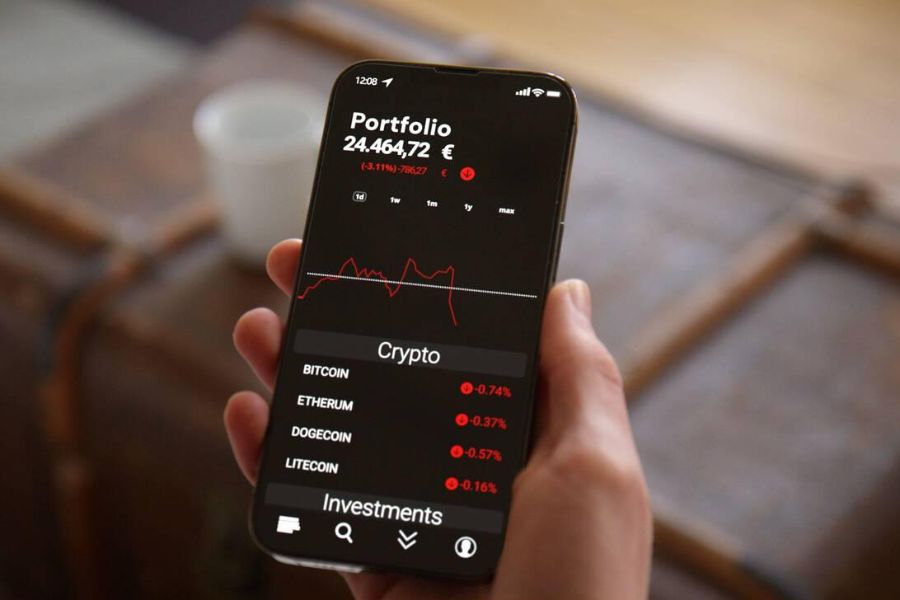
I focus on a simple portfolio of established cryptocurrencies. Dollar-cost averaging helps smooth out the ride, and automating purchases takes the guesswork out. Smart planning upfront means your investments work in the background while you live your life.
Key Takeaways
- Buy quality crypto, hold it long-term, and stop obsessing over every price swing.
- Use automation and dollar-cost averaging to reduce risk and grow your portfolio.
- Lazy investing can pay off big—especially when you weave it into your overall financial game plan.
What Is Lazy Cryptocurrency Investing?
Lazy crypto investing is a long-term play. It keeps daily management to a minimum and skips the constant market watching.
You just buy and hold digital assets. Forget trying to outsmart the market or reacting to every price blip.
Core Principles of Set-and-Forget Investing
Three big ideas drive lazy crypto investing.
First up, buy and hold. You buy your chosen coins and just… hang onto them. Sometimes for years.
Dollar-cost averaging is next. Invest a fixed amount at regular intervals, no matter what the price is that day. That way, you don’t have to worry about picking the “perfect” moment.
And don’t forget diversification. Spread your bets over 3-5 different cryptos instead of going all-in on one.
No more staring at charts or chasing every bit of crypto gossip. You set up your plan, then let time do the heavy lifting.
How Lazy Crypto Investing Compares to Traditional Strategies
Active crypto trading? That’s a full-time job. Day traders spend hours glued to screens, jumping in and out of trades.
These strategies rely on timing the market, hoping to buy low and sell high. It’s stressful and honestly, most folks don’t win that game.
Lazy investing flips the script. I accept that timing the market is next to impossible, especially for regular people. Instead of fighting volatility, I just ride it out.
Here’s how they stack up:
- Time: Minutes per month vs. hours per day
- Stress: Low vs. high
- Knowledge: Basic vs. advanced
- Fees: Minimal vs. frequent
Benefits and Drawbacks of the Lazy Approach
There’s a lot to love about lazy investing.
Lower stress is a biggie. You stop worrying about every price move.
Fewer fees mean you keep more of your gains. Trading all the time racks up costs fast.
Time savings let you focus on living your life, not obsessing over investments.
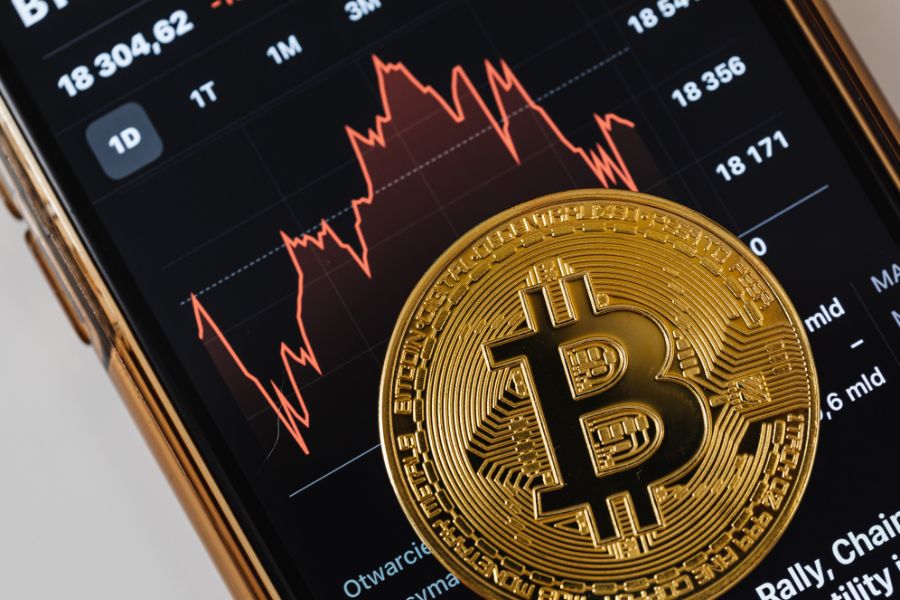
But I’ll admit, it’s not perfect. You might miss big moves if you never adjust your holdings. Sometimes, you’ll watch your portfolio drop during bear markets.
Losing control can feel weird at first. You have to trust that markets recover over time.
Designing a Set-and-Forget Crypto Portfolio
A smart crypto portfolio blends proven large-cap coins with allocations that match your risk tolerance. The trick is picking quality assets and automating the investment process.
Choosing the Right Cryptocurrencies
I stick with established coins that have real-world use.
Bitcoin acts like digital gold. It’s the backbone of my lazy portfolio.
Ethereum gets you exposure to smart contracts and decentralized apps. Usually, these two make up 60-70% of a conservative setup.
For a little more juice, I’ll add Solana (fast transactions) and Avalanche (scalable blockchains). They bring growth potential but aren’t as wild as some of the tiny projects.
Layer-2s like Arbitrum let you tap into Ethereum’s scaling. Staking protocols like Lido Finance can add some passive income.
I’ll toss a small chunk into new projects, but never more than 10%. That’s my “moonshot” bucket.
Think of it like a crypto index fund. You’re building a nest egg the same way stock investors do—just with digital assets.
Determining Your Allocation Strategy
A 70/20/10 split works for most lazy investors.
Large-cap (70%):
- Bitcoin: 40-50%
- Ethereum: 20-30%
Mid-cap (20%):
- Solana: 5-8%
- Avalanche: 4-6%
- Other solid altcoins: 6-10%
Speculative (10%):
- New DeFi: 3-4%
- AI/gaming tokens: 3-4%
- Emerging tech: 2-3%
This setup gives you stability from the big boys, plus a shot at upside from smaller coins. If you’re more cautious, try 80/15/5.
Your age and risk tolerance matter. Younger folks can handle more speculation. If retirement’s close, stick with Bitcoin and Ethereum.
It’s a lot like old-school portfolio management, just with a digital twist.
Automating Investments and Rebalancing
Dollar-cost averaging keeps emotions out of the game. I just set up automatic buys—weekly or monthly—and forget about the rest.
Most big exchanges let you schedule buys. Coinbase Pro, Kraken, and Gemini all make it easy.
Rebalancing keeps things on track. If Bitcoin balloons from 40% to 60% of your portfolio, you trim it and buy laggards.
I like quarterly rebalancing. It’s frequent enough to matter, but not so often that fees eat you alive.
Tracking apps like CoinTracker and Blockfolio send alerts when you need to rebalance.
Some people set thresholds—say, rebalance if anything drifts 5-10% from its target.
This approach keeps you disciplined, even when the market goes nuts. Your portfolio stays aligned with your long-term goals, no babysitting required.
Tools and Platforms for Effortless Crypto Investing
The right tools make lazy crypto investing a breeze. Automation handles your buys, and good security keeps your coins safe.
Best Apps and Services for Automation
Coinbase is great for recurring buys. You set it up once, and it keeps buying Bitcoin, Ethereum, or whatever you like.
Cash App makes dollar-cost averaging dead simple. You can start with just a buck a week.
Swan Bitcoin is all about Bitcoin. It links to your bank, buys automatically, and charges low fees.

Traditional brokers like Fidelity and Charles Schwab now let you add Bitcoin to retirement accounts. Handy if you already use them.
Strike is another Bitcoin-focused app with super low fees. You can even convert part of your paycheck to Bitcoin. It all runs quietly in the background.
Comparing Purchase Options and Fees
Fees matter, so here’s a quick look:
| Platform | Purchase Fee | Monthly Fee | Best For |
|---|---|---|---|
| Coinbase | 0.5-4% | $0 | Beginners |
| Cash App | 1.75% | $0 | Small amounts |
| Swan Bitcoin | 0.99-1.25% | $0 | Bitcoin only |
| Strike | 0.3% | $0 | Low fees |
Credit cards cost more—usually 3-4% extra—but they’re fast. Bank transfers are cheaper, but take a few days.
Recurring buys often get you a better rate. Apps want to reward folks who stick to the plan.
Some stockbrokers, like Robinhood and SoFi, offer zero-fee trades. The catch? You can’t move your crypto off the platform.
Security and Safe Storage Solutions
For most lazy investors, exchange storage is fine. Big names like Coinbase and Kraken keep most funds in cold storage and insure against hacks.
If you’re stacking serious amounts, hardware wallets like Ledger or Trezor are the gold standard. They’re offline and hacker-proof, but cost a bit upfront.
Two-factor authentication is a must. Apps like Google Authenticator or Authy make accounts much harder to crack.
Always write down your backup phrases—the 12-24 words that let you recover your wallet. Store them somewhere safe, maybe even two places.
Major exchanges like Coinbase insure up to $250,000 per user. Gemini and others offer similar protections.
Integrating Crypto With Your Long-Term Financial Plan
Crypto isn’t an island. You need to fit it into your retirement and investment plans. Most advisors suggest keeping crypto at 2-5% of your total portfolio for long-term stability.
Crypto in 401(k)s and Retirement Accounts
These days, some 401(k) plans let you buy Bitcoin or Ethereum. Fidelity and Charles Schwab are leading the way.
Self-directed IRAs open up even more crypto choices. You can hold Bitcoin, Ethereum, and others directly.
Traditional IRA vs Roth IRA for Crypto:
- Traditional: Tax-deferred growth, taxes on withdrawal
- Roth: Pay taxes now, grow tax-free forever
You need an approved custodian for crypto retirement accounts. Some good ones are BitcoinIRA, iTrustCapital, and Coin IRA.
The real win? Tax-advantaged growth. Imagine a $5,000 Bitcoin investment growing tax-free in a Roth IRA until you retire.
Lazy Crypto Investing Versus Index Funds
Index funds are the OG of lazy investing. The S&P 500 has averaged 10% a year over the long term.
Crypto index products like Bitwise 10 or Grayscale Digital Large Cap Fund let you do the same thing with crypto. They rebalance automatically.
| Investment Type | Annual Fees | Volatility | Historical Returns |
|---|---|---|---|
| S&P 500 Index | 0.03-0.20% | Low-Medium | 10% average |
| Crypto Index Fund | 0.75-2.50% | High | 50%+ average* |
*Past performance isn’t a promise, just a history lesson.
Dollar-cost averaging works for both. Set up $100 a month, sit back, and let compounding do its thing.
Crypto is riskier but could deliver bigger rewards than traditional index funds.
Balancing Traditional and Digital Assets
Financial security means balance. Most experts suggest:
- 60% Stocks and bonds
- 30% Real estate and commodities
- 10% Alternatives, including crypto
Younger? Maybe push crypto to 15-20%. Closer to retirement? Stick with 2-5%.
Rebalance every six months. If crypto grows too much, sell some and top up your stocks or bonds.
Emergency funds belong in cash or stable investments, not crypto. Never gamble with your safety net.
Start small, learn as you go, and ramp up your crypto exposure as you get more comfortable.
Resources for the Lazy Investor
You don’t need to go it alone. The best crypto investors lean on quality guides, reliable platforms, and communities that have been there, done that. I always keep a list of go-to resources and trusted voices handy—it’s made all the difference.
Recommended Reading and Book Sources
Let’s talk about books, because honestly, they’re still some of the best teachers around—especially if you’re trying to get smart about money without burning out.
“The Lazy Person’s Guide to Investing” by Paul B. Farrell is where I’d start if you want to learn passive investment strategies. Farrell explains how you can build wealth even if you’re a chronic procrastinator or just not that into finance.
“The Lazy Investor’s Guide” by Lukas Wiesflecker is perfect if you’re eyeing crypto. Wiesflecker walks you through real strategies for creating passive income using index funds and crypto, and honestly, he makes it feel doable.
If you like holding a book in your hands, Better World Books has you covered. Their prices are usually easier on the wallet, and they’ll ship pretty much anywhere.
Prefer digital? The Amazon Kindle Store gets you instant access to investment guides. Their search filters help you zero in on books about passive income and crypto basics.
Most lazy investors I know suggest you start by learning the basics of Bitcoin. Once you get the tech, the rest makes a lot more sense.
Where to Find Download Options
You can snag classic investment books for free at Internet Archive Books. Their library is packed with older finance guides that still hold up today.
Some publishers let you download PDFs of recent crypto guides. It’s a lifesaver if you want info now and don’t feel like waiting for shipping.
Platforms like Library Genesis offer academic papers on crypto economics and blockchain. If you’re a research nerd (no shame), these resources dig deep without charging you.
A bunch of crypto exchanges have free downloads in their learning centers. You’ll find beginner guides and market analysis reports there, which can be surprisingly helpful.
Just make sure you double-check your download sources. Nobody wants malware or outdated info messing up their investments.
Leveraging Online Communities and Expert Advice
Reddit’s got communities like r/CryptoCurrency and r/investing where people swap real stories about lazy investing. You’ll find set-and-forget strategies from folks who’ve actually tried them.
On Discord, you can jump into voice chats with crypto experts. Many servers even have beginner channels where you can ask “dumb” questions—though honestly, there are no dumb questions.
Telegram groups are great for instant updates. You’ll get pings about market changes and new passive income projects, and you can always find a group for your favorite coin or strategy.
YouTube channels break down complicated crypto topics with free videos. Some creators focus just on passive investing, which is a huge plus if you’re not looking to day trade.
Following smart people on Twitter saves you hours of research. Crypto analysts tweet daily insights, so you can stay in the know without scrolling for ages.
Frequently Asked Questions
Here are some of the most common questions I get about lazy crypto investing. If you’re busy but still want your money to work for you, these tips are for you.
What are the top strategies for ‘set and forget’ cryptocurrency investment?
Dollar-cost averaging is honestly a lifesaver. You just set up automatic Bitcoin or Ethereum buys every week or month, and then forget about it.
The HODLing method is classic—buy solid coins like Bitcoin or Ethereum, stash them in a secure wallet, and let them sit for years.
Crypto index funds spread your risk. You invest in a fund tracking the top 10 or 20 coins, so you’re not betting everything on one project.
Staking is another passive move. By staking coins like Ethereum, Cardano, or Solana, you can earn 4-12% annually just for holding.
How can someone with a busy schedule effectively manage cryptocurrency investments?
Automated investing platforms do the heavy lifting. Set up recurring buys on Coinbase or Kraken, and you don’t have to think about it.
Mobile apps send you price alerts for big market swings. I check my portfolio once a week instead of obsessing daily.
Hardware wallets keep your crypto safe without daily attention. Move your coins to cold storage and check in once a month.
If you’re forgetful like me, calendar reminders are gold. Schedule a quarterly review to rebalance or tweak your investments.
What amount of initial investment is recommended for passive crypto investing?
Most pros say start with $100-500 if you’re just getting your feet wet. It’s enough to learn without risking your rent.
The 5-10% rule is common for crypto. Never put more than 10% of your total assets into it, no matter how tempting it seems.
For dollar-cost averaging, monthly contributions of $50-200 work well. Small, steady amounts help smooth out the price rollercoaster.
Make sure you’ve got an emergency fund first. Three to six months of expenses in cash is a must before you even think about crypto.
What are the key indicators to look for when selecting cryptocurrencies for long-term investment?
I always check market cap first—over $1 billion usually means the project’s got some staying power. Bitcoin and Ethereum lead the pack for a reason.
See if the team’s active. Regular updates and a busy GitHub mean the project isn’t dead in the water.
Real-world adoption matters. Coins with actual use cases—payments, smart contracts, DeFi—tend to stick around.
Community support and big partnerships are good signs. If a project has institutional backing or government recognition, it usually weathers storms better.
How does the ‘1% rule’ apply to low-maintenance cryptocurrency investing?
The 1% rule keeps your daily risk in check. By spreading your investments across 10-20 coins, you make sure no single loss wrecks your portfolio.
For each coin, don’t let it grow beyond 5-10% of your total crypto holdings. That way, one bad apple won’t spoil the bunch.
Some people use stop-loss orders at 1% below their buy price, but honestly, most set-and-forget folks skip them to ride out short-term dips.
Sticking to the rule means you can sleep at night, knowing you won’t lose more than 1% in a day, no matter how wild the market gets.
What safety measures should be in place when adopting a ‘set and forget’ crypto investment approach?
Honestly, if you’re thinking about long-term crypto investing, hardware wallets are a must. I always move my coins off exchanges and tuck them into cold storage devices, like a Ledger or Trezor. It just feels safer knowing I’m not relying on an exchange’s security.
Don’t skip two-factor authentication. Hackers love easy targets. I always turn on 2FA for every crypto platform I use, and I stick with authenticator apps over SMS. SMS just feels too risky these days.
Backup seed phrases? Treat them like treasure. I jot recovery words down—never digital—and stash them on metal plates. Then, I hide them in separate safe deposit boxes. Seems a bit much, maybe, but peace of mind matters.
I make it a habit to check my accounts every month. A quick look can catch anything weird before it snowballs. And, yeah, updating passwords every few months is annoying, but it’s a small price to pay for security.
