

In a world full of digital wallets and budgeting apps, you might wonder if stuffing cash into paper envelopes still makes sense. Surprisingly, this century-old budgeting method is making a comeback in 2025. With 63% of Americans living paycheck-to-paycheck, many people want more tangible control over their money.
The envelope method still works because it lets you physically see and feel your spending limits. This creates a psychological barrier that digital payments can’t match. I’ve seen so many people struggle with overspending, even with the latest budgeting apps.
Swiping a card or tapping your phone doesn’t trigger the same mental response as handing over cash. When your “dining out” envelope is empty, you know you’re done spending in that category for the month.
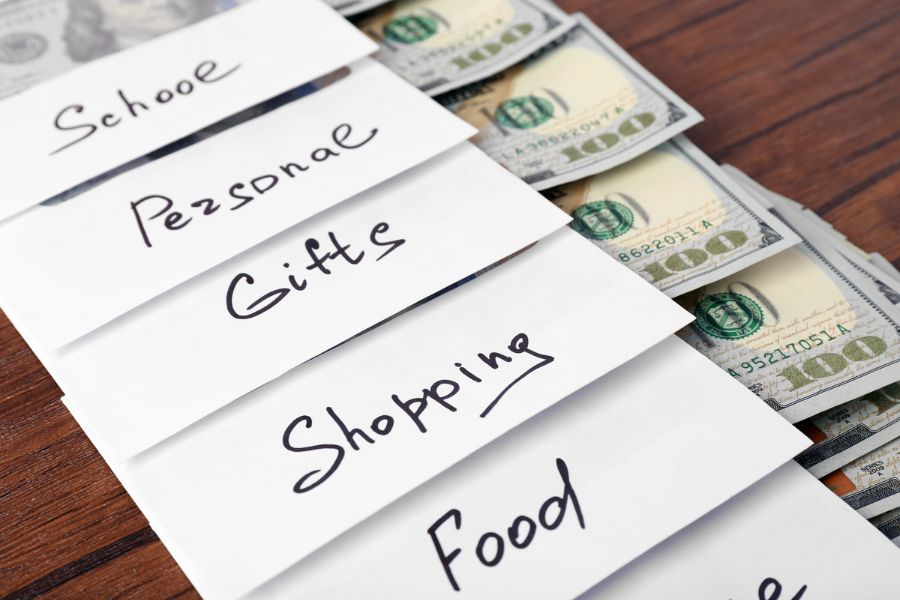
This approach is simple and effective. You don’t need passwords, software updates, or to worry about data privacy. Your budget is right there in your hands, giving instant clarity on how much you can spend in each category.
While digital options exist, many people find that returning to physical cash and envelopes brings back the financial discipline they’ve been missing.
Key Takeaways
- The envelope method uses physical cash in labeled envelopes to set clear spending limits.
- This system offers strong spending control but requires discipline and safe cash management.
- You can customize the method with physical envelopes, digital apps, or hybrid approaches to fit your lifestyle.
How the Envelope Method Works in 2025
The envelope system remains one of the simplest ways to budget. You only need envelopes, cash, and a spending plan. This approach divides your money into specific spending categories with built-in limits.
Basics of Envelope Budgeting
I start by calculating my monthly income after fixed expenses like rent and utilities. I divide the leftover money into envelopes for different spending needs. Each envelope gets a label and a dollar amount. For example, “Groceries – $400” or “Entertainment – $100.”
The rule is simple: only spend what’s in each envelope. When the cash runs out, you stop spending in that category until next month. Physical cash creates a real connection to spending. I feel the money leave my hands, which is very different from swiping a card.
I keep my envelopes in a safe place at home and take only what I need when I go shopping.
Typical Spending Categories
The envelope system works best for variable expenses that change each month.
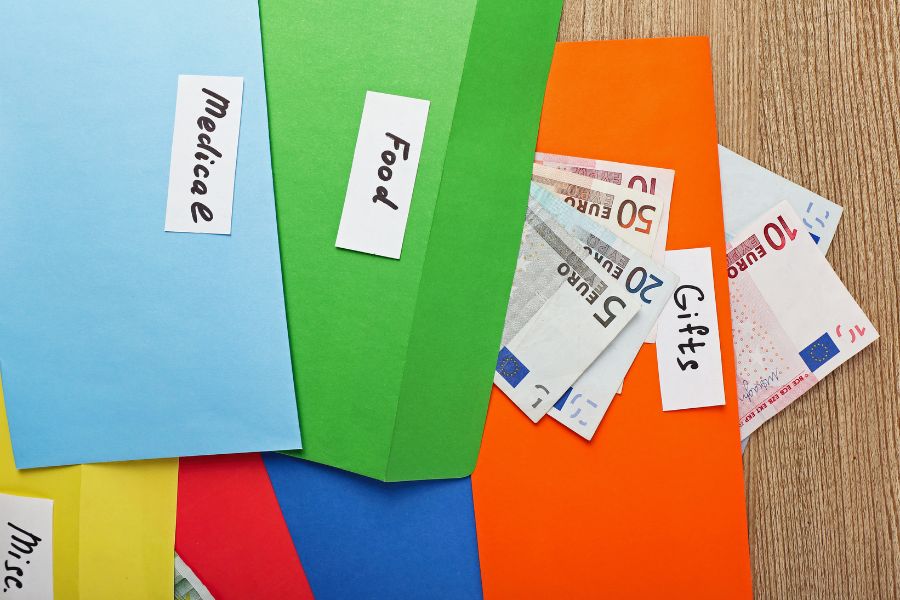
I focus on categories where I tend to overspend or lose track.
Common envelope categories:
- Groceries
- Gas and transportation
- Dining out and coffee
- Entertainment and hobbies
- Personal care items
- Clothing
- Household supplies
- Gifts
I skip envelopes for fixed bills like insurance or mortgage payments. These stay in my checking account for automatic payments.
Starting with 3-5 categories is easier than trying to envelope everything. As you get comfortable, you can add more.
Cash Stuffing and Spending Limits
Cash stuffing means filling envelopes with the exact amount budgeted for each category. I withdraw all my envelope money at once from the bank or ATM.
I ask for mixed bills—twenties, tens, fives, and ones. This makes giving exact change easier and helps me track spending.
Here’s my cash stuffing process:
- Withdraw the total envelope budget.
- Sort bills by denomination.
- Count exact amounts into each envelope.
- Store unused envelopes safely at home.
Spending limits become automatic. When my restaurant envelope is empty, I cook at home instead of ordering takeout. After each purchase, I put all change back into the correct envelope. This keeps my budget accurate.
If I have leftover cash at the end of the month, I can save it or add it to next month’s envelope. This feels like a reward for staying under budget.
Pros and Cons of the Envelope Method Today
The envelope method shines at building spending awareness and stopping impulse purchases. But it faces challenges in our increasingly cashless world.
Benefits for Spending Awareness and Discipline
Handling cash lets me see exactly how much money I have left for each category.
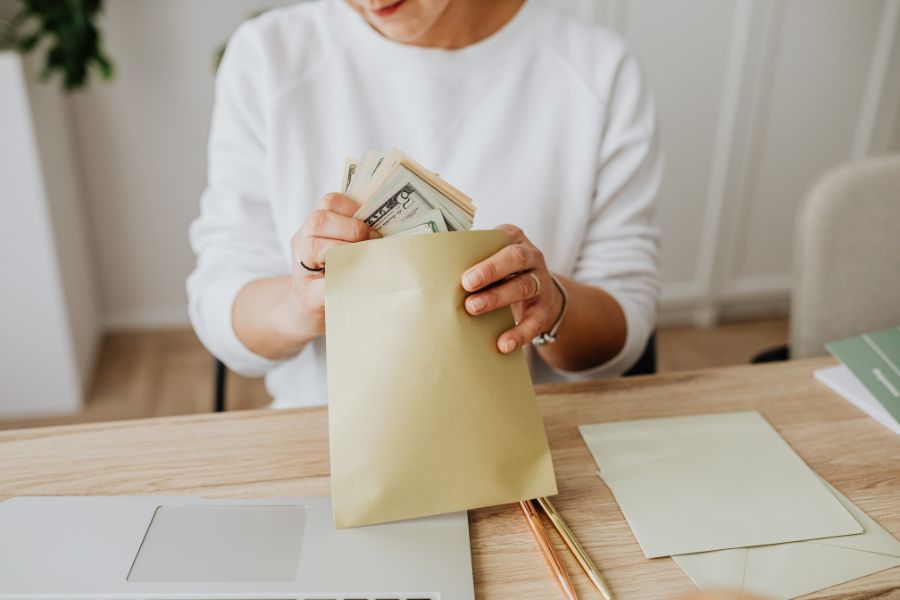
Overspending becomes harder. Once my grocery envelope is empty, I can’t spend more unless I move money from another category.
Key benefits:
- Immediate awareness of remaining funds
- Physical barrier to overspending
- No complex tracking systems needed
- Works without a smartphone or internet
Before each purchase, I have to count my cash and decide if the item is worth it.
Cash makes every dollar feel real and finite.
Overspending and Impulse Purchases
The envelope method is great for stopping impulse buys.
When I can only spend what’s in my wallet, those extra items at checkout are much less tempting.
Handing over physical money creates “payment pain.” It feels different than swiping a card.
This friction helps me pause and reconsider purchases.
How it helps:
- Limited cash means limited options
- No “buy now, worry later” mentality
- Visual reminder of budget limits
- Forces prioritization
When my entertainment envelope has only $20 left, I naturally become more selective. This leads to better choices and less regret.
Limitations in a Cashless Society
The envelope method faces real challenges in today’s digital world.
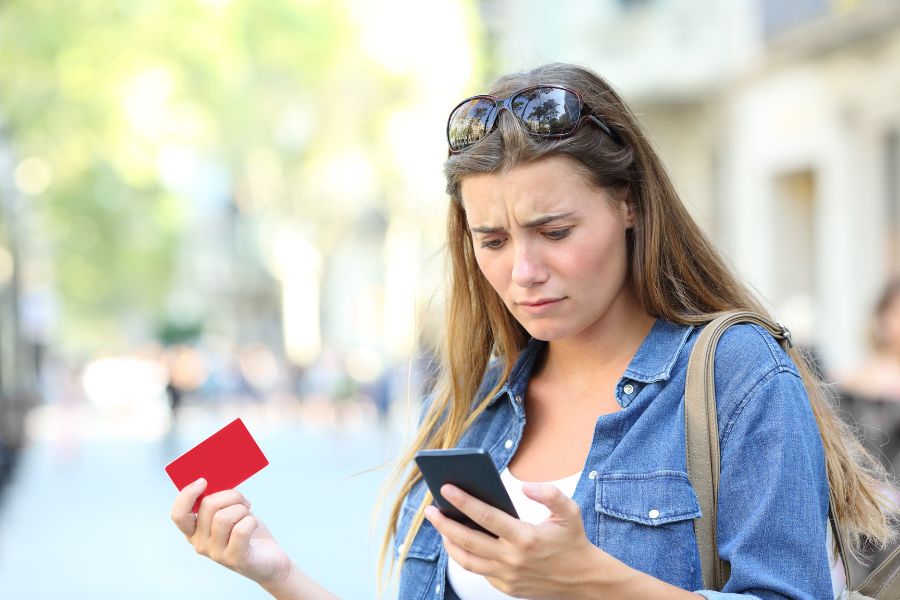
Many regular expenses can’t be paid with cash anymore.
Major limitations:
- Online shopping needs cards or digital payments
- Some stores only accept digital payments
- Automatic bill payments require bank access
- Subscriptions need digital payment methods
I miss out on credit card rewards and purchase protection by using only cash. Carrying large amounts of cash can feel risky. The method doesn’t work well for irregular expenses or emergencies that require online payments.
Some businesses charge fees for cash or have gone cashless entirely. Digital alternatives exist, but some people find apps and tracking overwhelming.
Modern Adaptations: Digital Envelope Budgeting and Apps
The envelope method has evolved. Digital envelope budgeting systems now offer the same spending controls with modern convenience.
Specialized apps make tracking easier than ever.
Digital Envelopes vs. Physical Envelopes
Digital envelopes create virtual spending categories in apps or spreadsheets.
I allocate my income into these digital “envelopes” just like with cash.
Key differences:
- Digital envelopes work for online purchases and bill payments.
- No risk of losing cash.
- Automatic transaction categorization and spending reports.
- I can check balances anywhere on my phone.
The main drawback is losing the physical connection to money. Swiping a card doesn’t feel as real as handing over cash.
Digital systems require more self-discipline since there’s no physical barrier.
Many people find digital envelopes easier to maintain. No need to visit the bank or worry about exact change.
Popular Budgeting Apps (YNAB, Goodbudget, Mvelopes)
Several apps focus on digital envelope budgeting:
YNAB (You Need A Budget) costs $99 per year and offers a comprehensive envelope system. I assign every dollar a job and sync the app with my bank accounts.
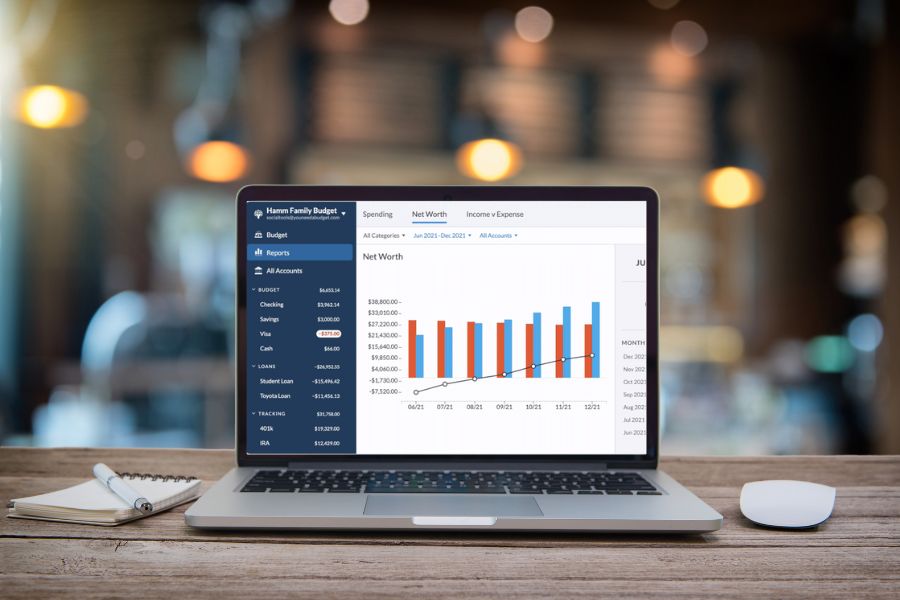
Goodbudget has a free version with 10 envelopes and a paid version for $7 monthly. I manually enter transactions, which increases awareness.
Mvelopes costs $5.97 monthly and automatically categorizes transactions. It includes debt payoff tools and financial coaching resources.
I recommend starting with free versions. Goodbudget is great for beginners who want digital envelope budgeting without bank connections.
Hybrid Approaches and Using Credit Cards
Many people combine digital envelopes with credit cards for rewards and convenience. I use credit cards for purchases but track spending against my envelope categories. This lets me earn credit card rewards while keeping envelope discipline.
My hybrid system:
- Use rewards credit cards for daily spending.
- Track purchases against digital envelopes immediately.
- Pay off credit cards weekly from designated envelope funds.
- Keep some physical cash envelopes for categories where I tend to overspend.
I treat credit cards like debit cards. I never spend more than my envelope allows, no matter my credit limit.
This method requires strong self-control, since credit cards make overspending easier.
Setting Up and Customizing Your System
Getting your envelope system right means picking categories that fit your spending habits.
Adjust amounts based on today’s prices and build protection against rising costs.
Choosing Categories Like Groceries and Dining Out
Start with groceries and dining out as your first two envelopes.
These categories have the biggest impact on your monthly spending.
Look at your last three months of grocery spending, add it up, and divide by three for a starting point.
Sample grocery budgets:
- Single person: $250-400
- Couple: $400-600
- Family of four: $600-900
Dining out should have its own envelope. Many people spend their grocery money on takeout if they don’t separate these.
Start with 20-30% of your grocery budget for dining out. If you spend $400 on groceries, try $100-120 for restaurants and coffee shops.
Track your first month closely. Write down what you buy and what you spend. Adjust next month’s amounts as needed.
Balancing Entertainment and Transportation
Transportation costs are higher in 2025. Gas prices and car repairs add up quickly.
I put $50-100 per week for gas in most budgets. Track your mileage for two weeks to find your real number.
Transportation envelope covers:
- Gas
- Public transit passes
- Rideshares
- Parking fees
Entertainment deserves its own envelope too. This is your “fun money” for movies, hobbies, or streaming services. Start with $75-150 per month for entertainment. Adjust for seasonal costs like vacations or higher winter bills.
Emergency Fund Integration and Inflation Considerations
Your envelope system should keep up with inflation. Prices rise, so your envelopes need to reflect that. I increase my envelope amounts by 3-5% each year. If I budgeted $400 for groceries last year, I start with $415-420 this year.
Monthly inflation adjustments:
- Groceries: Add $10-20
- Gas: Add $15-25
- Dining out: Add $5-15
Build a small emergency envelope too. Add $25-50 each month for “unexpected expenses.” This covers surprises without breaking your system. Keep your emergency fund separate from daily envelopes. I use a different bank account for emergency money so I don’t borrow from it. Review your amounts every three months.
If you always run out of grocery money early, add more. If you have money left over, move some to savings or other goals.
Frequently Asked Questions
People often ask about the practical details of envelope budgeting in today’s world.
Questions range from handling irregular paychecks to adapting the system for digital payments and building better money habits.
What Are Effective Strategies for Implementing the Envelope Method with Irregular Income?
Start with your lowest monthly income from the past year as your baseline. This baseline acts as a safety net for leaner months.
Set up a “buffer envelope” with extra money from higher-income months. Use this envelope to cover regular expenses when your income dips.
Calculate your essential expenses first, such as rent, utilities, and groceries. Make sure you fund these envelopes before anything else.
For flexible categories, use percentages instead of fixed dollar amounts. For example, allocate 10% of each paycheck to entertainment rather than a set amount.
Create a separate envelope for irregular expenses like car repairs. Add money to this envelope whenever your income exceeds your baseline.
How Does Modern Zero-Based Budgeting Compare to the Envelope System?
Zero-based budgeting gives every dollar a job before you spend it. The envelope method does the same but uses cash to enforce spending limits.
Both systems encourage you to plan your spending in advance. The main difference is that zero-based budgeting works with any payment method.
I find the envelope system especially helpful for those who overspend with cards. Handling physical cash creates a stronger mental barrier.
Zero-based budgeting is more convenient for online purchases and automatic payments. You can track these expenses in apps or spreadsheets.
Many people blend both methods. They use envelopes for categories where they tend to overspend and zero-based budgeting for everything else.
Can Envelope Budgeting Be Adapted for Digital Use in an Age of Cashless Transactions?
You can set up digital envelopes using banking apps or budgeting software. Many banks now offer virtual envelope features.
Apps like Goodbudget let you track envelope balances on your phone. Enter purchases manually to subtract from each category.
Some prepaid debit card services let you create separate cards for different spending categories. Each card acts like a digital envelope with set limits.
Try a hybrid approach for cashless payments. Keep cash envelopes for flexible categories like groceries and entertainment. Use digital tracking for fixed bills and online shopping.
You can also use multiple checking accounts as digital envelopes. Transfer set amounts to each account every month for different spending categories.
What Are the Steps to Create a Budget Plan That Incorporates the Envelope Method?
Track your spending for one month. Write down every purchase to learn where your money goes.
List your monthly take-home income after taxes. This is the total amount you’ll use for your envelopes.
Create spending categories, such as groceries, gas, entertainment, and personal care. Assign dollar amounts to each envelope based on your tracking.
Start with realistic numbers you can stick to. Label physical envelopes or set up your digital system.
Put the planned amount of cash in each envelope at the start of the month. Test your system for three months and adjust amounts if needed.
How Does the Envelope System Help in Changing Spending Habits for Better Financial Health?
The envelope method makes spending visible and tangible. Handing over cash feels more real than swiping a card.
Running out of cash in an envelope stops you from spending more in that category. This creates natural spending limits.
People often become more selective about purchases when using cash. You start to ask if something is truly worth your hard-earned money.
The system breaks your budget into smaller, manageable amounts. You can see the impact of each purchase right away.
Envelope budgeting removes the mystery from your finances. You always know exactly how much is left in each category.
How Can the Envelope Method be Tailored for Those New to Budgeting and Personal Finance?
Start with just three or four envelopes for your biggest spending categories. Too many envelopes can feel overwhelming at first.
Pick categories where you tend to overspend. Groceries, dining out, and entertainment are great options for beginners.
Set your envelope amounts about 10% higher than you think you’ll need. This extra cushion helps prevent frustration if you run out of money while learning the ropes.
Label each envelope clearly and write the monthly limit on the front. This visual cue keeps you focused and accountable.
Tackle one month at a time. Master your current envelopes before adding more categories or planning further ahead.
Keep a small notebook handy to jot down what you buy with each envelope. Tracking your purchases helps you spot patterns and make smarter adjustments next month.
I remember my first month using this method—seeing cash dwindle in an envelope made me pause before spending. It was eye-opening and empowering.
If you’re new to budgeting, the envelope method can make your finances feel tangible and manageable. Give it a try and see how much control you gain over your money!
