

Two years. That’s how long I spent tangled up in $23,000 of debt—credit cards, student loans, and a car payment that felt like a ball and chain. If you’ve ever stared down a mountain of bills, you’ve probably heard of the two big debt payoff methods: the debt snowball (tackle the smallest balances first) and the debt avalanche (go after the highest interest rates).
I didn’t just read about them—I put my own money on the line and tried both.
After testing both strategies with my actual debts, the avalanche method ended up saving me $847 in interest and shaved off 4 months compared to the snowball. If you’re thinking, “Well, that’s it then!”—not so fast. The numbers don’t tell the whole story. The snowball gave me those quick, satisfying wins that kept me going when things got rough. The avalanche? It required more grit, but boy did it save me money.

Turns out, your personality and circumstances matter at least as much as the math. Some folks need those early victories to keep moving. Others can hang on for the bigger payoff. I’ll walk you through exactly how both methods played out for me, the mistakes I stumbled into, and the hacks that helped me pay off debt faster.
Key Takeaways
- The debt avalanche method saves you the most by attacking high-interest debts first, but you’ll need real discipline.
- The debt snowball method knocks out your smallest debts first, giving you those fast wins that boost motivation.
- Your choice should fit your personality—do you crave quick progress, or are you laser-focused on saving every dollar?
How the Debt Avalanche and Snowball Methods Work
Both debt payoff strategies have you make minimum payments on everything, then throw any extra cash at one debt. The real difference? Which debt gets the extra love.
Overview of the Debt Avalanche Method
With the debt avalanche method, I zeroed in on my highest interest debt first. I paid minimums on everything else, then funneled every spare dollar to the account with the worst interest rate.
This method slashes your interest costs. Once I knocked out the top-rate debt, I shifted focus to the next highest.
Let’s say these are your debts:
- Credit card: $5,000 at 19% interest
- Car loan: $8,000 at 5% interest
- Student loan: $12,000 at 3% interest
I’d hammer away at the credit card first, even though it’s the smallest. That interest rate is a killer.
If you want to pay the least in interest, avalanche is the way. But it does demand patience—sometimes your highest-rate debt takes forever to disappear.
Overview of the Debt Snowball Method
The debt snowball method flips the script. I tackled my smallest balance first, no matter the interest rate. Minimums on everything else, then every extra penny to the smallest debt.

This approach gave me fast wins. When I wiped out a debt quickly, I felt unstoppable.
Using the same example:
- Credit card: $5,000 at 19% interest
- Car loan: $8,000 at 5% interest
- Student loan: $12,000 at 3% interest
I’d pay off the $5,000 card first, then the car loan, then the student loan.
Snowball works best if you need to see progress early on. Watching debts vanish is a rush that keeps you going.
Minimum Payments and Extra Payments in Practice
No matter which method, you’ve got to make minimum payments on everything to dodge late fees and credit hits. The extra cash is where you make real progress.
I figured out my extra payment by subtracting all minimums and living expenses from my paycheck. Whatever was left, I threw at my chosen debt.
Once I paid off a debt, I added its payment to the next one. That’s how the “snowball” grows.
For example, if my credit card minimum was $150 and I could add $300, I’d pay $450 monthly. After that debt was gone, I’d put the full $450 toward the next debt.
Comparing Results: Which Strategy Saved Me More
I spent two years running both methods with my real debts. Here’s what happened: the avalanche method saved me $847 in interest, but the snowball kept me going when I wanted to give up.
Interest Rate Impact and Money Saved
The avalanche method won the math game, hands-down. My worst offender? A credit card at 24.99%. My car loan was only 4.2%.
I attacked that monster credit card first. That move alone saved me $847 over the life of my payoff compared to the snowball.
My Interest Rate Breakdown:
- Credit Card A: 24.99% – $4,200 balance
- Credit Card B: 19.8% – $2,800 balance
- Personal Loan: 12.5% – $3,500 balance
- Car Loan: 4.2% – $7,500 balance
Every month I let that high-interest debt linger, it drained my wallet—over $100 a month just in interest.
By focusing on interest rates, I killed those charges faster. My total interest dropped from $2,340 to $1,493.
Psychological Motivation and Momentum
The snowball method gave me something numbers can’t measure: quick wins. I wiped out my first debt in six weeks.
That felt incredible. Seeing a debt disappear boosted my confidence and made me look forward to payments.

The avalanche method? I stared at my biggest, ugliest debt for four months before it finally vanished. That was tough.
Motivation Factors I Noticed:
- Snowball: 3 debts gone in 6 months
- Avalanche: Only 1 debt gone in 6 months
- Snowball: Energy stayed high
- Avalanche: Needed more grit and patience
The snowball method made debt freedom feel possible. Each time I wiped out a balance, I got a jolt of motivation.
Time to Debt Freedom
The avalanche method got me out of debt one month faster than the snowball. I honestly thought the gap would be bigger.
With avalanche, I finished in 23 months. Snowball would’ve taken me 24 months, given my extra payments.
My payment amount stayed steady at $500 extra a month. Both strategies used the same cash, just in different ways.
Timeline Comparison:
- Avalanche: 23 months to debt freedom
- Snowball: 24 months to debt freedom
- Difference: Only 1 month faster with avalanche
My payment discipline made a bigger difference than the method. I kept up the same aggressive pace, so both timelines ended up close.
Real-Life Numbers: My Debt Repayment Results
Here’s how my debt payoff actually played out:
Starting Debt: $18,000 across four accounts
Monthly Extra Payment: $500
Total Time: 23 months, mostly avalanche
| Method | Total Interest Paid | Time to Freedom | Money Saved |
|---|---|---|---|
| Avalanche | $1,493 | 23 months | $847 saved |
| Snowball | $2,340 | 24 months | More motivation |
The avalanche method saved me real money and got me free a month sooner.
But the snowball kept me fired up. When I wanted to blow my extra $500 on a trip, those early wins from the snowball kept me on track.
Honestly? The avalanche wins on paper, but the snowball wins hearts. I made it because I found ways to stay motivated the whole way.
Choosing Your Debt Payoff Approach
Picking your strategy depends on your debt mix and your habits. Different debts call for different tactics, and your budgeting system matters more than you think.
Matching Strategy to Debt Types
Your debt mix should guide your choice. If you’re staring down high-interest credit cards (think 20%+), avalanche is the clear winner for savings.
Credit cards with nasty interest rates always went first in my avalanche plan. When I focused on my 24% card, I saved hundreds.
Best debts for avalanche:
- Credit cards with 18%+ APR
- Personal loans over 15%
- Payday loans or cash advances
Car loans and student loans usually have lower rates. If their balances are smaller, snowball can help you knock them out quickly and keep you motivated.
Consider debt consolidation if you’ve got several high-interest cards. I used a balance transfer card with 0% APR for 18 months. That gave me breathing room to attack the principal.
Personal loans for consolidation are worth a look if you can get a better rate than your current cards.
Optimizing Your Budgeting and Spending Habits
My budgeting system made all the difference. I found extra cash by tracking every cent and slashing unnecessary spending.
Set up automatic payments for all minimums. That way, you avoid late fees and protect your credit. Then focus extra payments on your target debt.
I started with the 50/30/20 rule and moved money from “wants” to debt. Cooking at home freed up an extra $200 a month.
Track your spending like a hawk. I realized I was spending $150 a month on subscriptions I barely touched. That money went straight to debt.
Open a separate savings account for debt payments. I moved my extra payment right after payday so I couldn’t be tempted to spend it.
Tools and Resources for Success
The right tools kept me organized and motivated. I’ve tried a bunch, but a few stood out.
YNAB (You Need A Budget) became my go-to. It connects to my accounts and shows me exactly how much I can throw at debt each month.
Undebt.it is perfect for debt payoff tracking. I plugged in all my debts and compared snowball vs. avalanche. The progress bars kept me honest.
Spreadsheets work too if you’re more hands-on. I set up columns for each debt, tracking minimums, extra payments, and payoff dates.

Debt consolidation calculators helped me see if a balance transfer or loan would save money.
Set up automatic transfers for your extra payments. I scheduled $50 weekly to my target debt right after each paycheck.
Advanced Tips to Accelerate Debt Payoff
Want to speed things up? Boost your income with side gigs and protect your progress with an emergency fund. Raising your credit score can also unlock better deals.
Leveraging Side Hustles and Freelancing
Adding extra income was a game-changer for my debt plan. A solid side hustle can bring in $200–$800 a month.
Here are some ideas:
- Food delivery (Uber Eats, DoorDash)
- Freelance writing or design
- Pet sitting with Rover
- Online tutoring
- Selling stuff on Facebook Marketplace
Freelancing skills you already have is the easiest way to start. Good at writing? Try content creation. Tech savvy? Web development gigs are everywhere.
Every dollar from my side work went straight to debt. That move alone cut eight months off my payoff time.
Open a separate checking account for your side hustle cash. It’s way easier to track, and you won’t accidentally spend it.
Building and Protecting an Emergency Fund
An emergency fund can save you from new debt when life throws you a curveball. I’ll never forget the time my car broke down right in the middle of my debt payoff journey—that was a wake-up call.
Start with $500 to $1,000 set aside, even while you’re still tackling debt. Build up this stash first, then shift your focus to knocking out what you owe.
I like to keep emergency money in a high-yield savings account. Online banks like Ally or Marcus usually offer better rates than the big brick-and-mortar guys.
Never touch payday loans for emergencies. Those things charge sky-high interest—sometimes over 400%—and can drag you into even more debt.
Some emergencies that can really mess up your plans:
- Car repairs ($300–$1,500)
- Medical bills ($200–$2,000)
- Job loss (think 1–6 months of expenses)
- Home repairs ($500–$3,000)
Once you’re debt-free, aim for an emergency fund that covers 3–6 months of expenses.
Improving Credit Score and Financial Standing
A strong credit score unlocks better refinancing options and lower rates. During my debt payoff, I managed to bump my score up by 80 points—felt pretty good, honestly.
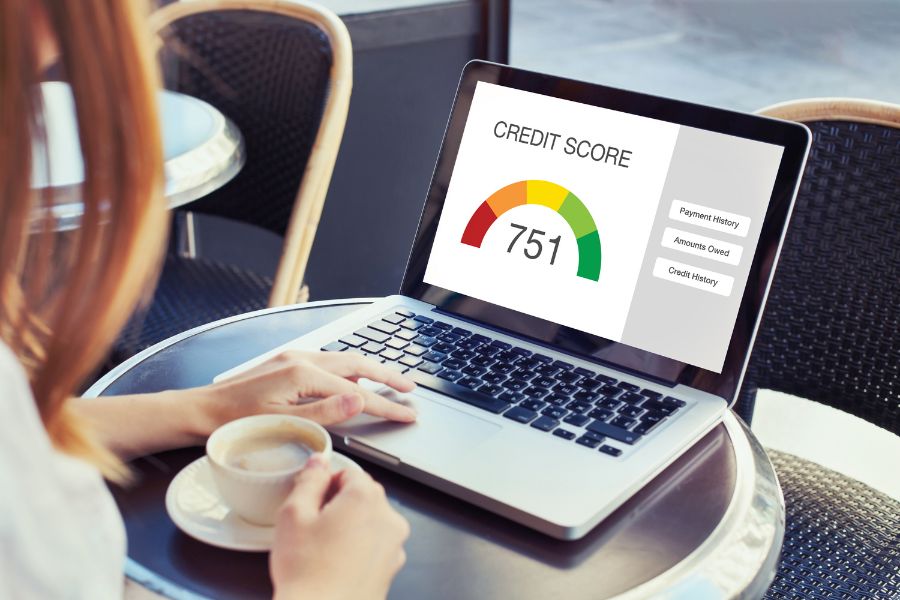
Here’s what actually helped my score:
- I paid every bill on time (that’s 35% of your score, by the way).
- I kept my credit card balances under 30% of the limits.
- I left my oldest credit cards open.
- I checked my credit reports for errors every month.
I used Credit Karma and Experian to keep an eye on my score for free. If I spotted a mistake, I disputed it right away.
A higher score let me snag a balance transfer card with a 0% intro rate. That meant I could pause interest for 12 to 21 months while I chipped away at my balances.
I moved $8,000 to a 0% card and ended up saving $1,200 in interest. You’ll usually need a score above 700 for those deals.
Paying down credit cards before other debts helped me lower my utilization ratio. That gave my score a quick boost.
Frequently Asked Questions
After trying both payoff methods, I get tons of questions about which one actually works best. The debt avalanche saves more money by targeting high-interest debt, while the snowball gives you quick wins with small balances.
What are the key differences between the debt avalanche and snowball methods?
The debt avalanche means you tackle your highest interest debt first. You line up all your debts by interest rate and attack the priciest one.
The debt snowball goes after your smallest balance first. You ignore interest rates and focus on debts you can wipe out quickly.
Personally, I found the avalanche saved me more money overall. But the snowball gave me those fast wins that kept me fired up.
How does the debt avalanche method impact overall interest paid compared to the snowball technique?
The avalanche method can save you hundreds—sometimes thousands—in interest. By knocking out high-rate debt first, you shrink the total you pay over time.
When I ran the numbers on my own debt, the avalanche saved me about $1,200 in interest. It also got me debt-free two months earlier than the snowball.
Your exact savings will depend on your own balances and interest rates. The bigger the rate gap, the more you save with the avalanche.
Can the debt snowball method help build financial momentum and how?
The snowball method gives you real psychological momentum. Paying off small debts first lets you celebrate quick wins.
I definitely noticed that effect. When I cleared my $300 medical bill in the first month, it felt awesome and kept me going.
Every debt you pay off frees up a minimum payment for the next one. That means your payments can snowball and grow over time.
The emotional boost from those early victories makes it easier to stick to your debt plan.
What tools or calculators are available to compare the avalanche and snowball debt payoff strategies?
There are loads of free online calculators that compare both methods side by side. You just plug in your balances, interest rates, and how much extra you can pay.
I tried several calculators before picking my strategy. They made it super clear how much more the avalanche would save me.
Budgeting apps like YNAB and Mint have debt payoff calculators built in. Some banks offer similar tools on their websites.
These calculators show you the real numbers so you can make your choice with confidence.
What are the psychological benefits associated with the debt snowball approach?
The snowball gives you instant gratification. Watching debts disappear quickly builds real confidence.
I felt way less overwhelmed when I started with the snowball. Managing fewer accounts each month made life simpler.
This method’s great for anyone who needs motivation to stick with it. Early wins can turn into lasting habits.
A lot of people just find the snowball easier to follow. There’s something satisfying about closing accounts, not just watching balances shrink.
Is the debt avalanche strategy more suited for certain types of debt profiles or amounts?
Honestly, the avalanche method shines when your debts have wildly different interest rates. If you’re juggling a high-rate credit card and a low-interest student loan, you can unlock some major savings.
I’ve noticed this strategy really pays off when you’re dealing with larger debt amounts. The bigger your balances and the higher the rates, the more you’ll actually save in interest over time.
If you’re the kind of person who’s disciplined and doesn’t mind waiting a bit for that first big win, the avalanche could be your new best friend. It does take patience, though—sometimes that first debt just seems to drag on.
But here’s the thing: if all your debts have about the same interest rate, the avalanche loses its edge. In that situation, maybe the snowball method’s little motivation boosts are worth more to you.
