

Let’s be honest—watching your credit score crawl along for months is frustrating. But you don’t have to just sit there and hope for the best. You can actually bump your credit score up by 20 to even 100+ points within 30 days if you know exactly what to do. I’ve helped plenty of friends and clients pull this off, and the difference can be huge when you hit the right spots. Most folks assume improving credit takes forever. Honestly, that’s just not true if you skip the old-school advice and focus on what credit bureaus actually care about right now. These aren’t magic tricks or pricey fixes—just real moves that play by the rules.
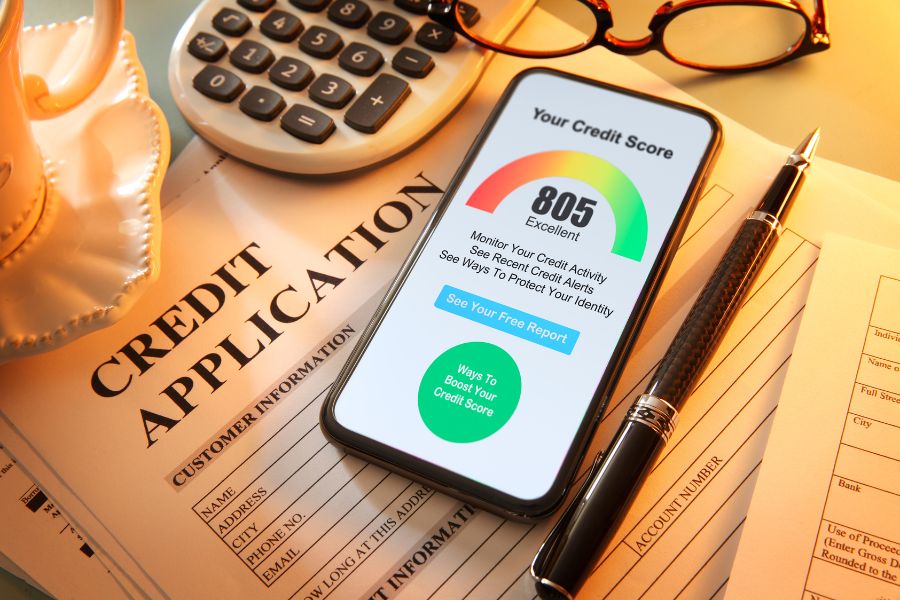
What sets this process apart? It’s all about speed and impact. Instead of waiting months for tiny changes, you’ll go straight for the factors that make up the biggest chunks of your score. I’ll break down each step so you can see results by the time your next credit report drops.
Key Takeaways
- Drop your credit card balances below 10% of your limits and ask for credit limit increases—both can give your score a quick jolt.
- Scan your credit reports for errors and dispute anything that’s off. Fixing these can add serious points.
- Time your payments right, and if possible, become an authorized user on someone’s well-managed card for a fast boost.
How the 5-Point Credit Score Hack Works
This method zeroes in on your credit utilization ratio and those pesky small negatives on your report. These two areas have the most punch when it comes to short-term changes.
Quick Overview of the Method
Let’s start with credit utilization—it’s 30% of your score, so it’s a biggie. I always aim to get this under 10% of my total credit limits. Next, I hunt for collection accounts under $100. These little ones sting more than you’d think but are usually easier to get rid of than big debts.
Here’s the basic playbook:
- Make more than one credit card payment a month.
- Ask for credit limit increases.
- Pay off those small collections.
- Dispute any outdated negatives.
Credit scoring models react fast when you change your utilization. Banks report balances monthly, so you can see changes almost right away.
What Makes This Hack Effective
Credit utilization changes make the quickest difference. When you lower your balances compared to your limits, your score can jump after just one reporting cycle. Most people only pay their cards once a month. That means their balances look high when banks report them.

Here’s how this stacks up:
| Traditional Method | 5-Point Hack |
|---|---|
| One monthly payment | Multiple payments |
| High reported balances | Low reported balances |
| Slow score changes | Fast score improvement |
Small collections hurt more than their size suggests. Even a $50 medical bill can tank your score by 50 points or more. When you remove these, your score can bounce back quickly. Paid collections still hurt, but getting them deleted is even better.
Step-by-Step Process to Implement
Week 1: I pull my credit reports from all three bureaus. Then I jot down any collections under $100 and list all my card balances and limits.
Week 2: I call up my credit card companies and ask for credit limit increases. Usually, they don’t do a hard pull if you already have the card. I also reach out to collection agencies to see if they’ll do a “pay for delete.”
Week 3: I start making two payments a month on each card—once right after the statement closes and again before the next one.
Week 4: I dispute any old or incorrect negatives on my report. Stuff older than seven years or with errors can come off pretty fast.
Timing matters here. Banks report balances on the same day each month, so extra payments keep your reported balances low.
Expected Results After 30 Days
Most people see a 5 to 15-point bump with this method. The jump depends on where you start and how many small collections you clear. If you drop utilization from 30% to 10%, you could see even bigger gains. Folks with already high scores usually see smaller increases.
Typical results by starting score:
- Below 600: 10-20 point increase
- 600-700: 5-15 point increase
- Above 700: 3-10 point increase
Utilization changes show up fastest—usually within a month. Collections might take up to 60 days to disappear from your score. Some credit monitoring apps update weekly, which is handy for tracking your progress.
Key Factors Influencing Credit Scores
Your credit score boils down to five main things, but three matter most for fast results. Payment history is 35%, utilization is 30%, and new credit inquiries are 10%.
Payment History’s Immediate Impact
Payment history is the big one—35% of your FICO score. It tells lenders how trustworthy you are with payments. Miss one payment by 30 days and your score can drop by 60 to 110 points. I’ve watched people lose months of progress from a single mistake.
The stuff that gets reported:
- Payments 30+ days late
- Payments 60+ days late
- Payments 90+ days late
- Accounts sent to collections
The upside? Recent payment history counts more than old slip-ups. Start paying on time now, and you’ll see improvement in a month. Collections stay for seven years, but paying them off can still help—especially with newer scoring models. Set up automatic payments for at least the minimum. It’s a lifesaver for your score.
Role of Credit Utilization and Credit Card Balances
Credit utilization is just your balance divided by your limit. That’s 30% of your score, and it updates every month.

What’s good?
- Under 10% = Excellent
- 10-30% = Good
- Over 30% = Not so great
I always try to keep each card under 10%. If your limit is $1,000, stay under $100.
There are two types:
- Per-card utilization—balance on each card
- Overall utilization—total across all cards
Pay down balances before your statement closes. That’s the number credit bureaus see. Requesting credit limit increases is another quick win. You don’t even have to spend less!
Effect of Hard Inquiries and Credit Card Applications
Whenever you apply for new credit, you get a hard inquiry. Each one can ding your score by 3-5 points for up to a year.
Hard vs. soft inquiries:
- Hard: Credit card, loan, or mortgage applications
- Soft: Checking your own score, pre-approvals, employer checks
Too many hard inquiries at once makes lenders nervous. Try not to apply for new credit during your 30-day sprint. Hard inquiries are 10% of your score. Not huge, but they do matter if you want quick results.
Their impact fades after 12 months. They’ll still show on your report for two years, but they stop counting after one. If you need to apply, bunch your applications into a 14-45 day window. Multiple pulls for the same type of credit only count as one.
Optimizing Your Credit Profile for Fast Results
To boost your score fast, focus on managing your debt-to-credit ratio, getting added as an authorized user, and fixing missed payments. These three moves can make a visible difference in just 30 days.
Managing Credit Limits and Debt-to-Credit Ratio
The debt-to-credit ratio is the lever I can pull for quick improvements. It’s just your total balances divided by your total limits. I keep this under 30%, but under 10% is even better.
Here’s how I do the math:
| Current Balance | Credit Limit | Ratio |
|---|---|---|
| $500 | $2,000 | 25% |
| $200 | $1,000 | 20% |
| Total: $700 | Total: $3,000 | 23.3% |
I improve this by paying down balances before statements close. Or, I ask for credit limit increases. When I call for a credit limit bump, I usually ask for double my current limit. Most companies give you an answer right away. If I have a few cards, I spread out my spending. That keeps each card’s utilization lower, even if I spend the same overall.
Benefits of Authorized User and Secured Credit Cards
Getting added as an authorized user can lift your score in just a month. You get the benefit of the main account holder’s payment history and credit limit. I look for someone with a card that’s been open for a few years, no late payments, and a high limit with a low balance.

For the best results:
- Account open at least 2 years
- No late payments in the last year
- Limit of $5,000 or more
- Balance under 10% of the limit
A secured card is another solid option. You put down a deposit, and that’s your limit. If you use it wisely and pay on time, it’ll show up on your credit reports in about 30 days. The best secured cards “graduate” to regular cards after 6-12 months of good behavior.
Addressing Missed Payments and Errors
Fixing missed payments and errors can be fast if you know what to do. I always grab free copies of my credit report from all three bureaus.
I check for:
- Wrong personal info (name, address, phone)
- Accounts that aren’t mine
- Incorrect payment history
- Wrong limits or balances
If I missed a payment for a legit reason, I write a goodwill letter to the creditor. I explain what happened and ask them to remove the negative mark.
My letter includes:
- Account number
- Date of the missed payment
- Quick explanation
- My payment history
- A request for removal
For errors, I dispute directly with each bureau. I send a certified letter with proof. Bureaus have to check it out within 30 days. If they can’t verify, they have to remove it. I always keep copies of everything I send and follow up if needed.
Common Mistakes and How to Avoid a Credit Score Drop
Some credit moves can backfire if you’re not careful. Let’s talk about closing accounts, paying off loans, credit inquiries, and monitoring your report so you don’t accidentally hurt your score during your 30-day push.
Closing Credit Accounts Too Soon
Closing a card or credit account might sound smart, but it can hurt you in two ways. First, you lose available credit, which bumps your utilization up. Second, it shortens your average account age. That’s 15% of your score.

Here’s my approach:
- Keep old accounts open—just use them for something small each month.
- Downgrade annual fee cards to no-fee versions.
- Set up auto-pay for recurring bills like Netflix.
If you have to close a card, close the newer ones. The oldest cards help your score most.
Exception: Shut down cards with big annual fees only after you’ve opened replacements and let them sit for at least three months.
Paying Off a Loan or Mortgage the Right Way
Paying off a car loan, student loan, or mortgage can actually make your score dip for a bit. You lose some credit mix (10% of your score). Usually, it’s a small and temporary drop. Most people bounce back in a month or two.
To soften the blow:
- Time big payoffs for when you don’t need new credit soon.
- Keep cards active to keep your credit mix healthy.
- Don’t sweat a small dip of 5-10 points.
Paying off a mortgage might cause a bigger temporary drop than other loans. That’s normal since it’s a big piece of your credit pie. In the long run, being debt-free is worth way more than a short-term score dip.
Avoiding Multiple Hard Inquiries
Every time you apply for credit, you trigger a hard inquiry. That can knock your score down by about 3-5 points. Lenders see a bunch of inquiries in a short stretch and start to wonder if you’re in financial trouble. But here’s a silver lining: if you’re shopping around for a loan, credit bureaus group those inquiries together.
| Loan Type | Shopping Window |
|---|---|
| Mortgage | 45 days |
| Car loan | 14 days |
| Student loan | 30 days |
So, if you apply for several loans of the same type within those windows, it only counts as one inquiry. That’s a relief, right?
Smart application strategy:
- Space out credit card applications by 3-6 months
- Try pre-qualification tools—these don’t ding your score
- Take a peek at your credit score before you apply
Hard inquiries stick around on your reports for 24 months, but they only impact your score for 12. That’s not forever, but it’s long enough to be annoying.
Monitoring Your Credit Reports Regularly
I’ll admit it: I’m a bit of a credit report hawk. I check mine weekly on AnnualCreditReport.com. It’s saved me from fraud and caught mistakes before they spiraled.

Here’s what I usually watch for:
- Wrong account balances or weird payment histories
- Accounts I never opened (identity theft, anyone?)
- Incorrect personal info like old addresses or jobs
If I spot an error, I jump on it fast. I file disputes with both the bureau and the creditor, and I always attach proof—bank statements, payment records, whatever I can dig up.
Monthly monitoring routine:
- Scan all three reports for surprise accounts
- Double-check credit card balances and limits
- Make sure recent payments show up correctly
Pulling your own credit doesn’t hurt your score. Those are “soft” inquiries and only you can see them.
If something seems fishy, set up a fraud alert. It’s a simple way to add a layer of protection while you sort things out.
Frequently Asked Questions
People ask me the same credit questions over and over—especially about raising scores fast. Here are the answers I’ve found most helpful (and honest).
How can I quickly improve my credit score in just one month?
I’ve seen scores jump 20 to even 100 points in 30 days, but you need a plan. Start by paying credit card balances down below 30% of your limits.
Try making payments twice a month instead of once. That keeps your reported balance lower, which helps your score.
Check your credit reports for errors right away. If you find something wrong, dispute it. Sometimes the fix is quick and your score jumps up.
And don’t miss a single bill. One late payment can wreck months of hard work.
What are the top strategies for boosting credit scores swiftly?
Focus on credit utilization first. Keep your balances under 30% of your available credit. If you can, get them under 10%—that’s gold.
Zero in on the card that’s closest to maxed out. Paying that down gives you the most bang for your buck.
Ask for higher credit limits. Sometimes you can do this online in minutes, and it lowers your utilization without extra payments.
If you can, become an authorized user on someone’s card with a spotless history. Their good habits can give your score a lift.
Set up autopay for every bill. Payment history makes up 35% of your score, so don’t leave it to chance.
Can paying down balances fast affect my credit score positively?
Absolutely. Paying down balances is one of the fastest ways to see your score rise. Credit utilization makes up a hefty chunk of your score—usually 20-30%.
Tackle the cards with the highest balances first, especially if they’re close to the limit.
Make payments before your statement closes. That way, the bureaus see a lower balance.
Even a small reduction helps. If you move from 35% to 25% utilization, you’ll probably see a boost in just one reporting cycle.
How do credit inquiries impact my credit score over a short period?
Hard inquiries can drop your score by 5-10 points and stick around for up to two years. If you’re trying to improve your score in 30 days, hold off on new credit applications.
If you’re rate shopping for a mortgage or car loan, multiple inquiries within 14-45 days only count as one. That’s a nice break for shoppers.
Checking your own credit is a soft inquiry—it won’t hurt your score. I check mine weekly to track progress.
Wait until your score improves before you apply for new cards or loans. Patience pays off here.
What role does credit card utilization play in credit score improvement?
Credit utilization is honestly the easiest thing to control—and it makes a huge difference. It’s just the ratio of what you owe to your total available credit.
Keep your total utilization under 30%. Try to keep each individual card under 30% too.
If you can, pay down balances to under 10%. Some credit experts even suggest leaving a tiny balance on one card to show you’re using your credit.
Ask for credit limit increases to lower your utilization without extra payments. Many issuers approve increases instantly online.
Are there any quick fixes to remove negative marks on my credit report?
So, you want to zap those negative marks off your credit report overnight? Wish I could say yes, but if you actually made a late payment, it’s usually there to stay for a while. Still, there’s hope—sometimes mistakes sneak onto your report.
Start by scanning your report for weird stuff: duplicate accounts, weird balances, or accounts you never opened. If you spot an error, dispute it right away. Credit bureaus usually sort that out in about 30 days.
Ever heard of a goodwill deletion? If you’ve been a loyal customer and just slipped up once, try reaching out to your creditor. Sometimes they’ll wipe away a late payment if you ask nicely—especially if you’ve got a solid payment history.
Honestly, it’s smarter to focus on stacking up positive info. Every on-time payment and responsible move slowly pushes those old negatives into the background.
If you’ve got recent collections, paying them off can help. But for older ones, think twice—sometimes paying can actually make them more visible again by restarting the clock. Weird, right?
