

Look, you don’t have to turn into a hermit just to slash your utility bills. A lot of folks assume saving money on utilities means sacrificing comfort, but honestly, that’s just not the case. The real trick to cutting utility costs is making smart tweaks to how you use energy and water—not cutting out the things you actually need.

I’ve seen firsthand how small changes can snowball into big savings. Stuff like nudging your thermostat a few degrees, swapping in LED bulbs, or fixing a leaky faucet can shrink your monthly bills—all without making your home feel like a cave. What I love most is that, once you make these changes, you keep saving every single month. Most of these ideas are cheap (or free!) and take just a few minutes to set up. You might be surprised at how much you can cut costs while still enjoying all your modern comforts.
Key Takeaways
- Adjusting heating and cooling habits can shrink your biggest utility expense without freezing or sweating it out.
- Smarter electricity use and LED bulbs put money back in your pocket, fast.
- Water-saving gadgets and quick leak fixes deliver real, ongoing monthly savings.
Optimize Heating and Cooling for Efficiency
Let’s be real, heating and cooling usually eat up the biggest chunk of your energy bill. But you can cut those costs by 10-30% just by tweaking your thermostat, adding insulation, and keeping your HVAC in good shape. You don’t have to shiver in winter or melt in summer.
Install and Use Programmable or Smart Thermostats
Switching to a programmable thermostat was a game-changer in my house. I set different temps for when I’m home, away, or asleep. No more blasting the AC for an empty living room.
Basic Programming Tips:
- Drop winter temps 7-10 degrees when you’re out.
- Bump summer temps up 7-10 degrees when you’re not home.
- Use sleep settings to save energy overnight.
Smart thermostats take it to the next level. They learn your schedule and adjust automatically, plus you can control them from your phone. I love warming up the house before I even walk in the door. Honestly, these gadgets often pay for themselves within two years. I’d say go for an Energy Star model that tracks your savings and shows you real numbers.
Seal Drafts with Weatherstripping and Insulation
Drafts are sneaky energy thieves. I always picture my house like a cooler—if there are gaps, all the good air escapes and the outside sneaks in.

Quick Draft Detection:
- Hold a candle near windows and doors.
- Feel for breezes on windy days.
- Spot light peeking through cracks.
Weatherstripping is simple and cheap. Just stick it around doors and windows to block those gaps. You’ll find it at any hardware store, usually for less than $20. Insulation is a bit different but just as crucial. It keeps heat inside during winter and out during summer. I’d start with your attic—that’s where most homes lose the most energy.
Insulation Priority Areas:
- Attic and roof
- Exterior walls
- Basement or crawl space
- Around windows and doors
Use Ceiling Fans and Adjust Their Direction Seasonally
Ceiling fans don’t actually change the temperature, but wow, they make rooms feel more comfortable. In summer, set them counterclockwise to push air down and create a breeze. I usually bump my thermostat up 4 degrees and barely notice. Winter is different. Flip the switch so the fan runs clockwise on low. That pulls cool air up and pushes warm air down from the ceiling.
Fan Direction Guide:
- Summer: Counterclockwise (cooling)
- Winter: Clockwise (circulates heat)
Don’t forget to turn fans off when you leave the room. They only help when you’re actually there.
Regularly Maintain HVAC Systems
A neglected HVAC system guzzles energy. I learned that the hard way—my electric bill shot up 40% after I ignored my filter for months.
Monthly Tasks:
- Swap out air filters.
- Keep vents and registers clear.
- Pay attention to weird noises or smells.
Seasonal Maintenance:
- Clean around outdoor units.
- Check for duct leaks.
- Schedule pro tune-ups twice a year.
Dirty filters make your system struggle. I try to change mine every 1-3 months, depending on usage. Professional maintenance isn’t free, but it saves you way more in the long run. A well-maintained system lasts longer and keeps your heating costs and AC bills down all year.
Spend Less on Electricity Without Sacrificing Convenience
You can cut your utility bills by 10-20% just by making a few smart changes. Focus on LED lighting, fighting phantom power, using power strips, and upgrading old appliances.
Switch to LED Bulbs and Lighting Solutions
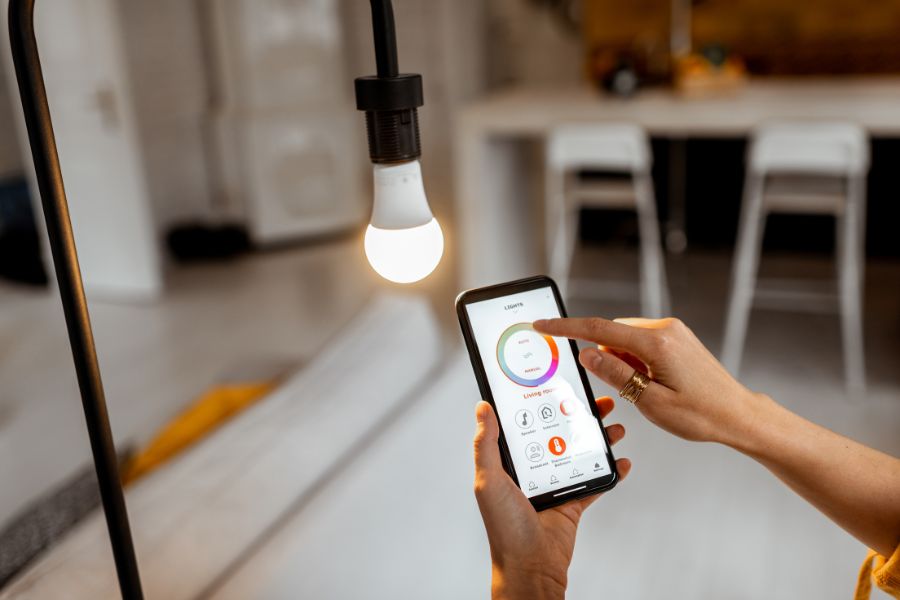
I swapped out every bulb in my house for LEDs, and my electricity bill thanked me. LEDs use 90% less energy and last forever (okay, not forever, but a long time).
LED vs Traditional Bulb Comparison:
| Bulb Type | Watts Used | Monthly Cost* | Lifespan |
|---|---|---|---|
| Incandescent | 60W | $1.44 | 1,000 hours |
| LED | 9W | $0.22 | 25,000 hours |
*Based on 4 hours daily use at $0.12/kWh
Yeah, LEDs cost a bit more upfront, but you’ll make that back in just a couple of months. Plus, they give off less heat, so your AC doesn’t have to work overtime. I even put dimmers in my main rooms. Now I only use as much light as I actually need.
LED night lights? They cost maybe 25 cents a year to run. I swapped out all my old ones and barely notice them on my bill now.
Unplug Devices to Eliminate Standby and Phantom Power
Phantom power blew my mind when I first heard about it. Turns out, about 75% of the power used by electronics happens when they’re “off” but still plugged in.
TVs, cable boxes, computers, even coffee makers—they all suck energy 24/7 just for their little lights or clocks. That can be 10% of your total usage!
Big Phantom Power Offenders:
- Televisions and streaming devices
- Computers and printers
- Coffee makers and microwaves
- Chargers and game consoles
I started unplugging stuff I don’t use every day. My phone charger, coffee maker, and printer all get unplugged when I’m done. For things I use a lot, I plug them into power strips. One quick switch and I cut the power to everything at once.
Use Power Strips for Energy Control
Power strips are my secret weapon. I group devices—like my TV, cable box, and speakers—on one strip and just flip it off when I leave.
I’ve got another strip for my home office. When I’m done for the day, I shut it all down at once.
Smart Strips are even better. They sense when you turn off your main device and automatically cut power to everything else. My smart strip knows when my computer is off and shuts down my printer and speakers, too. In bedrooms, I use regular strips for lamps and chargers. Flipping the switch before bed saves power all night.
Here’s the trick: put strips where you’ll actually use them. If you hide them, you’ll forget.
Upgrade to Energy-Efficient Appliances
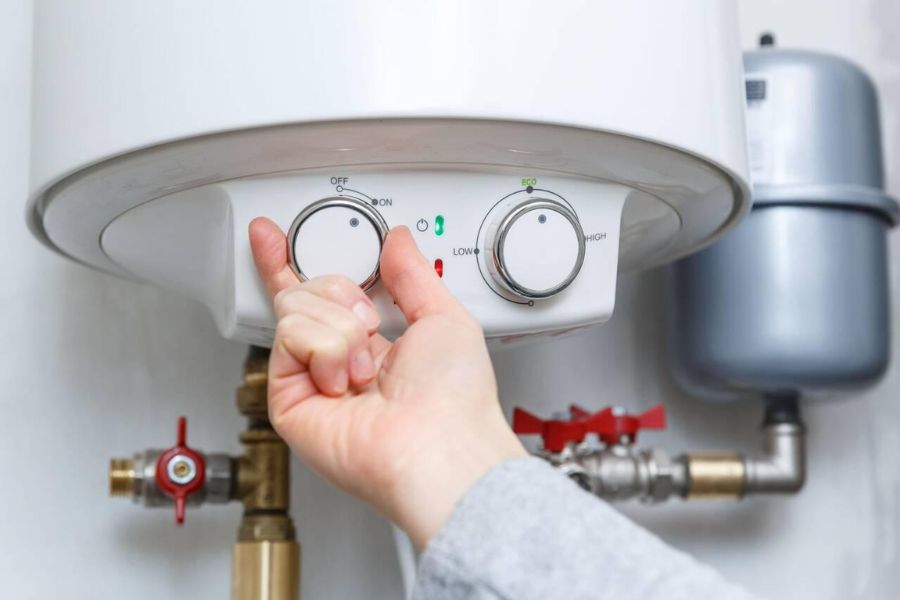
Old appliances are energy hogs. When mine started breaking down, I replaced them with Energy Star models and my bills dropped fast. Energy-efficient appliances can use 10-50% less power. My new washing machine uses half the electricity of my old clunker.
Best Appliances to Upgrade:
- Refrigerator – Runs 24/7, so efficiency pays off.
- Water heater – Eats up 13% of your home’s electricity.
- Washing machine – Modern ones clean great with cold water.
- Dishwasher – Look for air-dry options.
I always check the yellow EnergyGuide labels. They tell you exactly what you’ll spend per year. My new fridge cost $200 extra but saves $50 a year. It pays for itself in four years, then just keeps saving. When my water heater died, I went tankless. Now it only heats water when I need it, and my water heating costs dropped by half.
Conserve Water and Lower Utility Bills
You can cut your water bills by 20-30% with just a few easy tweaks. Upgrading a few fixtures and changing some habits really adds up.
Install Low-Flow Showerheads and Faucets
Low-flow aerators are my go-to for fast water savings. They cut water use in half but still give you good pressure.
Kitchen and bathroom aerators cost $5-15. You’ll find them at any home store or online. Installation is a breeze—just screw them on. Low-flow showerheads drop water use from 5 gallons a minute to 2.5. For a family of four, that’s about $70 a year just on water heating. Modern low-flow fixtures don’t feel weak, either. They mix in air to keep the pressure up. You probably won’t even notice a difference.
Quick install tips:
- Unscrew your old aerator.
- Wrap new threads with plumber’s tape.
- Hand-tighten. Done.
Adopt Simple Water Usage Habits
Little daily changes can make a big dent in your water bill. I always start with the biggest wasters.
Fix leaks ASAP. Even a slow drip wastes a gallon a day. For toilets, add a few drops of food coloring to the tank—if it shows up in the bowl without flushing, you’ve got a leak.
Make old toilets use less. Fill a plastic bottle with water and rocks, then drop it in the tank. It’ll use less water per flush.
Bathroom water savers:
- Turn off the tap while brushing.
- Take shorter showers (five minutes is plenty).
- Only flush when you need to.
Kitchen habits that help:
- Skip rinsing dishes before the dishwasher.
- Scrape food into the trash.
- Grab cold water for drinking instead of running the tap for hot.
Optimize Laundry and Dishwashing Practices
Laundry and dishwashing can use a quarter of your indoor water. Small changes here go a long way.
Dishwasher beats hand washing: Modern dishwashers use just 3-4 gallons per cycle. Hand washing? Over 25 gallons. I always wait for a full load.

Laundry water savers:
- Wait for a full load before washing.
- Use cold water when you can.
- Adjust the water level for smaller loads.
Old top-load washers guzzle 60-120 gallons per cycle. It costs the same to wash one shirt as a full load, so I always add towels or something else.
Smart appliance use:
- Run the dishwasher during off-peak hours.
- Clean washer filters monthly.
- Use eco-mode if your machine has it.
These tweaks don’t cramp your lifestyle, but they can save $200-400 a year on water.
Smart Home Upgrades and Advanced Savings Tips
If you want to go big, a professional energy audit can pinpoint where your home wastes the most. Solar panels, rebates, and clean energy upgrades can chop your bills by hundreds each month.
Get a Professional Home Energy Audit
An energy audit gives you the inside scoop on where your home leaks energy and money. Auditors use special cameras and tests to find air leaks, bad insulation, and hidden problems.
An audit usually costs $300-$500, but many utility companies offer deals or even free audits. You’ll get a report showing which fixes save the most, so you can tackle the big stuff first. I always recommend getting an audit before spending big on upgrades. Sometimes, sealing up leaks does more than buying a new fridge. The report helps you figure out what to do based on your budget.
Some auditors run a blower door test to spot leaks, others use thermal cameras to check insulation. Both can help you save money on utilities by fixing what matters most.
Consider Solar Panels and Clean Energy Sources
So, let’s talk about solar panels. In sunny spots, they can slash your electric bill by 70-90%. That’s not pocket change—most folks save anywhere from $1,000 to $1,500 per year after getting them up on the roof. Plus, federal tax credits cover 30% of your installation costs through 2032. Not bad, right?
Clean energy isn’t just about solar, though. You’ve got options like small wind turbines and geothermal systems, too. But honestly, solar tends to make the most sense for most homes these days since the price has dropped so much.
Before you jump in, check if your roof gets at least 6 hours of direct sunlight daily. South-facing roofs usually win here. Also, make sure your roof can handle the weight and won’t need replacing anytime soon. No one wants to redo their roof right after installing panels.
A lot of solar companies now offer lease programs with $0 down. That’s handy if you don’t want to pay upfront. Or you can buy the system and pay it off with your monthly energy savings. Definitely shop around and get multiple quotes. The difference in deals can be surprising.
Take Advantage of Utility Incentives and Programs
Utility companies love to hand out rebates for energy-saving upgrades. Sometimes they’ll pay for 25-50% of things like smart thermostats, efficient appliances, or insulation.

Head to your utility’s website and poke around for rebate programs. You might find:
- $50-$200 rebates for smart thermostats
- $100-$500 back on efficient water heaters
- Free or cheap LED bulbs
- Rebates for solar panel installs
Some utilities offer time-of-use pricing, which means you pay less for electricity during off-peak hours. Try running your dishwasher, laundry, or charging stuff when rates drop. Peak demand programs pay you to use less electricity on really hot days. Smart thermostats can handle this automatically, so you barely notice.
Frequently Asked Questions
Here’s where I dig into the most common questions about appliances, smart tech, insulation, water savings, lighting, and even daily habits that can seriously cut your utility bills.
What Are the Top Energy-Efficient Appliances That Can Reduce My Monthly Bills?
If you’re upgrading, look for ENERGY STAR certified appliances. They’re tested to use less energy than the standard versions.
Take refrigerators, for example. The ENERGY STAR ones can save you about $300 over their lifetime. They do it with better insulation and smarter compressors.
High-efficiency washing machines are worth a look, too. They use 25% less energy and a third less water. I’ve found front-loaders usually beat top-loaders for efficiency.
Heat pump water heaters are a game changer. They can cut water heating costs by 60% because they pull heat from the air instead of making it from scratch.
Dishwashers have gotten better, too. Energy-efficient models save you about $35 a year since they use less hot water and have improved drying systems.
Can Smart Thermostats Really Save Money, and How Do They Work?
Smart thermostats can trim 10-15% off your heating and cooling costs each year. I’ve seen families save $130-$180 just by using them right.
They’re clever little gadgets. They learn your routine and adjust the temperature automatically—lowering the heat when you’re out, cooling things off before you get home.
Most connect right to your phone through an app. You can tweak the settings from anywhere and track your energy use over time.
The trick is to program them well. Try setting temps 7-10 degrees different when you’re out for eight hours or more.
They work with most heating and cooling systems. I’ve installed one myself in under 30 minutes.
What Are Simple Yet Effective Insulation Techniques to Lower Heating and Cooling Costs?
Sealing air leaks is the quickest way to boost your home’s efficiency. I always use weatherstripping around doors and windows to keep drafts out.
Grab some caulk for gaps around pipes, outlets, and baseboards. Those tiny spaces can waste as much energy as an open window.
Adding attic insulation is one of the smartest moves you can make. A well-insulated attic can chop 15% off your heating and cooling costs.
Try insulated window coverings, too. Thermal curtains or cellular shades put up an extra barrier against heat loss.
Door draft stoppers are cheap—usually under $20—and they block cold air from sneaking in under doors. I put them at exterior doors and even rooms we don’t use much.
How Can I Optimize Water Usage at Home for Savings Without Sacrifice?
Low-flow showerheads are a win. They cut water use by 30% but still give you solid pressure. I swapped mine and honestly, I barely noticed.
Don’t ignore leaky faucets or toilets. One dripping faucet can waste 3,000 gallons a year—no joke.
Shorter showers help, too. Just trimming 2-3 minutes off saves about $35 a year.
Only run your dishwasher and washing machine with full loads. Easy habit, big savings—up to 25% less water used.
Install aerators on your faucets. They mix air with the water so you get good flow but use less.
Washing clothes in cold water works for most loads. Heating water is 90% of a washing machine’s energy use, so it’s a no-brainer.
What Lighting Choices Provide Long-Term Savings and Comfort in My Home?
LED bulbs are a solid upgrade. They use 75% less energy than old-school bulbs and last 25 times longer. They basically pay for themselves in a few months.
Dimmer switches are underrated. They let you set the mood and save energy. Dimming by 25% can cut usage by 20%.
Motion sensors are perfect for closets, basements, or outside. They shut lights off automatically when no one’s around.
Let in natural light during the day. Open those curtains and blinds—you’ll need less artificial lighting.
Smart bulbs are handy, too. You can set them to turn on or off at certain times or even adjust brightness throughout the day.
Could You Share Practical Daily Habits That Contribute to Lower Utility Expenses?
Let’s be real—those little habits add up fast. I’ve found that unplugging electronics when I’m not using them actually makes a difference. Chargers, TVs, even that old coffee maker—if it’s plugged in, it’s sipping power.
I like to nudge my thermostat up or down just a degree or two depending on the season. It sounds minor, but I’ve seen my heating and cooling bills drop by about 5-10% from that tiny tweak.
Ceiling fans? Total game changer. When I keep them running, the room feels cooler, so I can set my thermostat about four degrees higher and still feel comfortable.
I always close vents and doors in rooms I’m not using. Why waste energy cooling or heating empty spaces? It just makes sense to focus on the spots where you actually spend time.
Whenever possible, I skip the big oven and go for the microwave or toaster oven. Those smaller appliances use way less electricity, especially for quick meals or snacks.
And here’s one I used to ignore—air-drying clothes. Hanging up even half my laundry instead of tossing everything in the dryer has noticeably cut my energy costs. Plus, my favorite shirts last longer.
