

Most couples drop over $30,000 on their wedding, but you can absolutely save $10,000 or more with some clever planning. It’s not about cutting corners or making your big day look “budget”—it’s about picking your battles and focusing on what actually matters.
I’ve watched friends pull off stunning weddings by getting creative with timing, venues, and priorities. If you’re willing to think outside the box, you can keep things classy and still save a bundle.
Here’s the secret sauce:
- Go for off-peak dates and non-traditional venues.
- Decide on your top three wedding must-haves—then put your money there.
- Add DIY touches that feel personal (and, honestly, more memorable).
Funny enough, the more you personalize and skip those expensive traditions, the more meaningful and unique your celebration feels. Isn’t that the whole point?
Key Takeaways
- Smart venue choices and off-peak timing can slash wedding costs by thousands without sacrificing style.
- Focusing on your top three priorities helps you spend where it matters and save everywhere else.
- Creative personal touches and DIY elements often make the day feel more “you” than pricey, traditional options.
Setting Your Wedding Budget for Maximum Impact
Let’s be real: wedding planning starts with a budget. Not the most glamorous part, but it’s what keeps the dream alive without the nightmare bills.
If you and your partner figure out what you care about most and stick to it, you can get the wedding you want—minus the regret.
Identifying Priority Wedding Elements
Everyone values something different on their wedding day. Maybe you care about food. Maybe you want those magical photos.
First, rank these areas for yourself:
- Photography and videography
- Venue and catering
- Wedding dress and attire
- Music and entertainment
- Flowers and decor
- Guest experience elements
Both you and your partner should make your own lists. Then compare and talk it out.
Usually, the stuff that sticks in your memory is great photos, good food, and comfy seating. The extras—like fancy favors or premium linens—don’t tend to matter as much.
Try to put 60-70% of your budget toward your top picks. Use the rest for everything else.
Customized Budget Breakdown Strategies
Forget the “rules” you read online. Your budget breakdown should fit you, not some outdated chart.
Typical budget breakdown looks like this:
- Venue and catering: 40-50%
- Photography: 10-15%
- Attire and beauty: 8-10%
- Flowers and decor: 8-10%
- Music: 5-8%
- Other expenses: 15-20%
But hey, if you’re obsessed with photos, bump that up and cut back on decor. If food is your thing, spend more there and keep attire simple.
Some of my favorite swaps: brunch instead of dinner, weekday weddings, or venues that don’t need much decorating.
Always track expenses in a spreadsheet or app. It’s so easy to overspend on one thing and then scramble to make up for it.
Communication and Alignment With Your Partner
You know what kills wedding planning? Miscommunication. Keep each other in the loop.
Set up weekly budget check-ins. Both of you should know what’s being spent.
Make a rule, like “anything over $200 needs a conversation.” That way, surprise splurges don’t tank your plans.
Talk about family money early. If someone’s contributing, they might want a say. Set boundaries and stick to them.
When you disagree, go back to your shared priorities. If you both ranked photography higher than flowers, that’s your answer.
Write down decisions. It saves so many headaches later.
Choosing an Affordable Yet Stylish Wedding Venue
I can’t stress this enough: your venue can make or break your budget. But you don’t have to settle for boring or basic to save money.
If you’re flexible with timing, location, and packages, you can find a spot that’s both gorgeous and affordable.
Venue Selection Tips to Reduce Costs
Look for venues that already have character. You’ll spend way less on decor.
Historic buildings, gardens, and art galleries usually need minimal extra touches. Why pay for flowers when the space is already beautiful?
Always get the full pricing details upfront. Venues love to dangle low starting prices but then sneak in fees.
Ask them:
- What’s included in the base price?
- Are tables, chairs, and linens part of the deal?
- What about service fees and taxes?
- Do we have to use your vendors?
All-inclusive venues might seem pricey, but they often save you money by bundling catering, rentals, and planning.
Cut your guest list early. Fewer guests = smaller venue = major savings.
Read reviews. Couples spill the real tea about hidden costs and service quality.
Benefits of Off-Peak Dates and Alternative Locations
If you’re open to a Friday or Sunday wedding, you’ll save 20-40% compared to Saturday.
Winter months like January and February are the cheapest. Spring and summer? Not so much.
Morning weddings cost less than evening ones. Brunch receptions are budget-friendly and honestly, who doesn’t love brunch?
Think outside the box for venues. Community centers, libraries, and museums can be stunning and affordable.
Parks and beaches charge small permit fees and come with built-in beauty.
Restaurants with private rooms work great for smaller groups. Packages often include food, drinks, and service.
Breweries, wineries, and event halls outside major cities tend to cost less. Sometimes the drive is totally worth it.
Leveraging Micro-Wedding Packages for Savings
Micro-wedding packages are such a game-changer. You get everything you need for 20-50 guests at a set price.
They usually include the venue, food, flowers, and a coordinator. Less planning, less stress.
Fixed pricing means no surprise charges.
Venues often offer these deals on weekdays. That gives you more leverage to negotiate.
Smaller weddings let you book premium venues you couldn’t afford for a big crowd.
You can splurge on better food, drinks, and photos when you’re not paying for a hundred people.
Dreaming of a destination? Micro-weddings make beach resorts and mountain lodges possible.
Smart Wedding Planning Moves That Save Big Without Sacrificing Style
You can save thousands just by being strategic. The biggest wins come from keeping your guest list tight, negotiating with vendors, and getting creative with decor.
Optimizing Your Guest List
The guest list is the silent budget killer. Every extra person means more food, drinks, rentals, and invites.
Try cutting 10-15 guests right off the bat. Start with folks you haven’t spoken to in over a year. Don’t feel bad about skipping plus-ones for single guests you barely know.
Keep your wedding party small. Fewer bridesmaids or groomsmen means less spent on bouquets, boutonnieres, and gifts.
Adults-only weddings can drop your numbers by 20-30%. It’s not for everyone, but it’s worth considering.
Make an A-list and B-list. Invite the A-list first. If some can’t make it, pull from the B-list.
Bundling and Negotiating Vendor Services
Bundling services and negotiating (nicely) can save you a lot.
Book photography and videography together for a package deal. Vendors often give 10-15% off when you book both.
Hire vendors for fewer hours. Six or seven hours of photography usually covers all the big moments.
Ask if they’ll give a discount for paying in full or by check. Sometimes you get 3-5% off.
Look for newer vendors with great portfolios. They’re often more affordable and eager to impress.
Be upfront about your budget. Most vendors want your business and will work with you.
Creative DIY and Secondhand Decor Ideas
DIY and thrift finds can make your wedding look amazing for way less.
Move ceremony flowers to the reception. Aisle arrangements look great on the head table or at the bar.
Candles and greenery beat pricey floral centerpieces any day. Buy candles in bulk and forage for greenery if you can.
Shop secondhand for vases, linens, and decor. Facebook Marketplace and estate sales are gold mines.
Skip fancy aisle decor. Scatter flower petals or use bridesmaid bouquets as markers.
Homemade favors like cookies or little plants feel more special than anything store-bought.
Borrow from friends and family. Chances are, someone has vases or string lights you can use.
Catering, Cake, and Bar: Elegant Eats on a Tight Budget
Food and drinks eat up a big chunk of your budget, but you can still impress your guests without blowing your savings. I’ve seen couples pull off delicious, memorable meals for a fraction of the usual cost.
Affordable Catering Strategies
Buffets are your friend. They usually cost $50-90 per person, while plated dinners can run $100-200. Food stations are interactive and run $50-75 per person.
Food trucks are trendy and affordable—think $25-35 per person. Guests love the vibe, and the food is often surprisingly good.
Skip unnecessary extras. Coffee stations make sense for cold weather, not summer. You don’t need salt and pepper at every table if the food’s seasoned well.
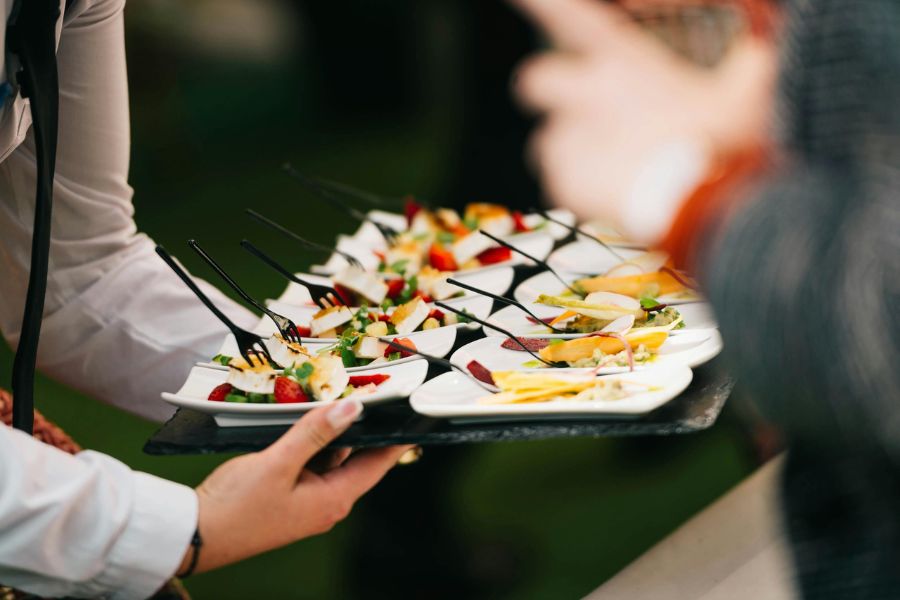
Keep cocktail hour simple. Cheese, fruit, and a few passed apps keep everyone happy. You really don’t need a seafood bar.
Ask where the food gets prepared. Reheated food is cheaper but might not taste as fresh. On-site prep costs more but usually tastes better.
Stylish Wedding Cake Options for Less
Order a small cake for the photo op, then serve sheet cake or cupcakes. That way you save on cake-cutting fees and still get the classic moment.
Cupcakes are fun, easy, and you don’t need to rent plates or forks. Guests can just grab and go.
Local bakeries (even grocery stores) make beautiful cakes for way less than specialty shops.
Mix it up with alternative desserts—pie bars, cookie tables, or dessert stations. They’re usually cheaper and offer more variety.
Cost-Saving Bar and Beverage Tips
Ditch the champagne toast unless it’s a must-have. Champagne starts at $40 a bottle, and most glasses get left behind anyway.
Stick to beer and wine. It covers most tastes and saves a ton compared to a full bar.
Buy your own alcohol wholesale if your venue allows it. Warehouse stores have the best prices.
Set bar hours. Open bar for cocktail hour and dinner, then switch to cash bar for dancing.
Signature cocktails are a great hack: pick two fun drinks with cheaper base spirits and give them catchy names. Feels special, costs less.
Capturing Your Day and Adding Personal Touches Without Overspending
You can capture gorgeous memories and create a one-of-a-kind wedding without blowing your budget. It’s all about getting creative and focusing on what really matters.
Affordable Photography and Videography Approaches
Photography usually eats up 10-15% of your budget, but you’ve got options.
Newer photographers often charge $1,500-$3,000 and deliver stunning work. Established pros can run $5,000-$8,000, but you don’t always need to go that route.
Book fewer hours. Cover the ceremony, key reception moments, and portraits. You’ll still get all the important shots.
Skip pricey extras like engagement sessions or fancy albums. Ask for digital files and make your own photo books later.
Reach out to photography students at local colleges. They often work for $300-$600 and bring a fresh eye to your day.
Let guests play photographer, too. Set up a wedding hashtag and encourage sharing. You’ll end up with tons of candid moments—free bonus coverage.
Memorable Entertainment on a Budget
Let’s be real—entertainment can drain your wallet fast. I’ve seen folks drop over $2,000 without blinking, but there are clever ways to keep the fun alive for a fraction of that.
Make your own playlists instead of hiring a DJ. Rent some sound gear for $200-$400 and rope in your techy friend to run the show. Honestly, it’s more personal anyway.

Book local bands or music students. I’ve found some great talent from nearby schools for $500-$1,200—way better than shelling out $3,000+ for a big-name wedding band.
Plan interactive activities guests will actually talk about later:
- Photo scavenger hunts with disposable cameras—everyone gets silly, and you end up with hilarious photos.
- DIY cocktail bars so guests can craft drinks their own way. It’s messy, but always a hit.
- Lawn games like cornhole or giant Jenga, especially if you’re outdoors. People love a little friendly competition.
Host a talent show with musical friends and family. It’s quirky and way more memorable than just watching strangers perform.
Set up karaoke with a tablet and a portable speaker. I’ve noticed guests sometimes prefer this over dancing, especially during daytime receptions.
Personalized Elements That Make Your Wedding Unique
Adding your own flair can turn a standard wedding into something unforgettable—without blowing up your budget.
Design your own signage using free tools like Canva. Print at a local shop for $50-$100. Why pay a designer $500 for something you can totally handle?
Set up family recipe stations with dishes from both sides. It’s cheaper than fancy catering and way more meaningful.
Display old photos of you and your partner around the venue. Grab some dollar store frames and set up a little timeline wall. People love to see your awkward years.
Make custom favors that actually mean something:
- Seed packets for the garden-loving crowd ($1-$2 per guest)
- Mini jars of homemade jam or hot sauce ($2-$3 per guest)
- Playlist cards with QR codes to your favorite songs (less than $1 each)
Add meaningful rituals like a unity ceremony with sand from places you’ve traveled together. It’s under $20 and makes for a sweet story.
Use everyday stuff for decor. Stack your favorite books as centerpieces or frame old concert tickets from your dating days. It’s budget-friendly and totally you.
Frequently Asked Questions
Weddings on a tight budget come with a ton of questions. I’ve been there—here’s what I’ve learned about making smart choices without losing the magic.
What are the best strategies for planning a wedding under $10,000?
Keep your guest list small—think under 30 people. More guests means more food, drinks, and a bigger venue.
Pick off-peak dates, like weekdays or Sunday afternoons. Morning and afternoon weddings usually cost less than evening ones.
Go for venues with natural charm. Gardens, parks, and old buildings look amazing without much extra decor.
Choose two or three things you really care about and focus your budget there. You don’t need everything.
Start with vendors in your price range. Don’t torture yourself by looking at stuff you can’t afford.
How can I have an elegant wedding while sticking to a tight budget?
Pick a venue with built-in character—restaurants, libraries, or galleries. These places often include tables and lighting.
Put money into photography. Good photos make even a simple wedding look incredible.
Stick with classic, simple decorations. White linens, greenery, and candles never go out of style and don’t break the bank.
Serve elevated comfort food—gourmet pizzas or fancy tacos. It’s fun and feels special.
Keep the decor minimal. Too much stuff can look cluttered and cheap.
What are some budget-friendly venue options for a memorable wedding?
Public parks and botanical gardens offer beautiful settings for a low fee. Bonus: built-in flowers.
Restaurants with private rooms usually include tables, chairs, and sometimes even a package deal.
Community centers and church halls cost way less than traditional venues. You can dress them up how you like.
Museums and libraries sometimes rent out space during off-hours. They’ve got great ambiance and cool architecture.
Family homes or backyards can work, but be ready for extra rentals—bathrooms, seating, catering gear. Those costs add up fast.
Can you suggest ways to prioritize expenses in a $10,000 wedding budget?
Put about 40%—so $4,000—into the venue and catering. Guests remember the food and the vibe.
Give 15-20% to photography. These are the memories you’ll keep forever.
Spend 10-15% on attire. Shop sales, hit up sample sales, or rent to save cash.
Use 10% for flowers and decor. Focus on a few standout pieces.
Budget 5-10% for music, whether you hire a DJ or just make playlists.
Save what’s left for rings, invites, and unexpected costs that always sneak up.
What tips can you offer for finding affordable wedding packages that don’t compromise on quality?
Look for venues that bundle services—catering, tables, even a coordinator. All-in-one packages often cost less.
Check out photography students or newbies building their portfolio. They charge less and can still deliver great work.
Always ask vendors about weekday or off-season discounts. You’d be surprised how much you can save.
Bundle services when you can. Some companies cut you a deal if you book more than one thing.
Read reviews and ask to see full galleries, not just the highlights. You want to know what you’re really getting.
Get every detail in writing. Make sure you know exactly what’s included so there are no budget-busting surprises.
How can couples cut costs on wedding essentials without sacrificing their special day’s charm?
Let’s be honest—those fancy invitation suites? Most guests glance once, then toss them. I’ve found that digital invites or simple paper designs do the trick. They save money and still set the tone for the day.
When it comes to flowers, I always recommend going seasonal. Florists can work wonders with greenery like eucalyptus, ferns, or even a bunch of baby’s breath. It’s amazing how much you can save just by skipping out-of-season blooms.
If your venue already has gorgeous tables, why bother with expensive linens or elaborate centerpieces? I’ve seen simple place settings look downright elegant—sometimes less really is more.
Signature cocktails are a game changer. Instead of a full open bar, I’ve noticed couples who choose just a few fun drinks keep guests happy and costs down. Who needs a dozen liquor options anyway?
For music, I’m all about curating playlists. With good speakers and a little planning, you can skip the pricey DJ or band. Plus, you get to pick every song—no awkward requests.
I always tell couples to spend where it counts: food, drinks, and making guests comfortable. The little behind-the-scenes details? They rarely matter as much as you’d think. Focus on what guests will actually remember.
