

Bad credit? Yeah, it can make things tough, but it doesn’t have to slam the door on your business dreams. A lot of folks still believe banks are the only way, but honestly, the world of business lending has changed a ton lately.
Now, alternative lenders actually design financing options for businesses with less-than-perfect credit. They focus more on your revenue and how your business performs than your credit history. I’ve seen people get funded who thought they had no shot.
Let’s break it down: short-term loans, business lines of credit, merchant cash advances, and invoice factoring all fall under these alternatives. Sure, you might pay higher interest, but you’ll usually get a decision fast and the requirements aren’t nearly as strict.

Depending on your revenue and needs, you could get a few thousand or even hundreds of thousands of dollars. That flexibility is a game-changer.
The trick is figuring out which method fits your situation best. Some folks love the flexibility of a line of credit, while others just need a quick infusion of cash—merchant cash advances are great for that.
With a little planning and the right approach, you can absolutely get the funds to help your business grow, even with bad credit.
Key Takeaways
- Alternative lenders look at your business’s revenue and performance, not just your credit score.
- You’ve got options: short-term loans, lines of credit, merchant cash advances, and invoice factoring—all with faster approval than banks.
- Match the right financing to your business needs and get your application materials in order.
Understanding Bad Credit and Its Impact on Business Loans
Bad credit definitely throws up some obstacles when you’re trying to get funding. But if you know how credit scores work, you’ll have a much easier time navigating your options.
Both your personal and business credit scores matter. Lenders use specific score thresholds to decide who gets traditional financing.
What Is Considered Bad Credit for Business Loans
Business credit scores run from 0 to 100. If you’re below 50, most lenders will say your credit’s poor.
Traditional lenders usually want to see business credit scores at 75 or higher if you want good terms.
Personal credit scores use the 300-850 range. Here’s how lenders typically see it:
- Excellent: 750-850
- Good: 700-749
- Fair: 650-699
- Poor: 600-649
- Bad: Below 600
Credit bureaus like Equifax, Experian, and TransUnion track your personal credit. If it’s business credit, that’s usually reported to Dun & Bradstreet, Equifax Business, and Experian Business.
Most banks want to see a personal score above 650. If you’re under 600, your options shrink fast.
New businesses without any credit history? They’re pretty much in the same boat as those with bad credit.
How Bad Credit Affects Business Loan Approval
Bad credit really hurts your chances with traditional banks. They tend to reject applications with poor scores.
Lenders see bad credit as risky. They worry you won’t repay, especially if your payment history or credit utilization look shaky.
If your credit report shows late payments, defaults, or high debt, lenders start raising red flags. That leads to:
- Higher interest rates
- Shorter repayment terms
- Smaller loan amounts
- Collateral or personal guarantees
- Sometimes just a flat-out “no”
Alternative lenders, though, will take a closer look at your revenue. They’ll still charge more, but they’re often willing to work with you.
Some of them want a personal guarantee, even for business loans. That means your personal assets are on the line if things go south.
Personal Credit vs. Business Credit Scores
Most lenders pull both your personal and business credit scores when you apply. Each one tells a different story.
Personal credit tracks your own financial habits—credit cards, mortgages, personal loans. Lenders love personal guarantees, so your score matters a lot.
Business credit is all about how your company pays vendors and creditors. As your business grows and pays bills on time, your business credit improves.

Credit utilization is important for both. Try to keep your balances under 30% of your limits.
If you’re new to business, you’ll lean on your personal credit at first. Once you’re established, strong business credit can help you ditch personal guarantees.
Some lenders will approve you if your business credit is solid, even if your personal score isn’t great—especially if your business is profitable and brings in steady cash.
Alternative Loan Options for Bad Credit Borrowers
If you’ve got bad credit, don’t worry—there are still plenty of alternative financing options out there. Online lenders and specialized financial institutions are moving faster and asking for less than banks ever did.
Short-Term Loans and Lines of Credit
Online lenders have popped up everywhere, offering short-term business loans to folks with scores under 600. You can borrow anywhere from $5,000 to $500,000, and terms usually run 6 to 24 months.
Key Features:
- Minimum credit scores as low as 500-580
- Approvals in 24-48 hours
- Higher interest rates, but you get cash fast
- Revenue requirements start at $50,000-$100,000 per year
Working capital loans are great for covering daily expenses. OnDeck, for example, offers term loans and lines of credit if your score is around 600. Sometimes you can get funding the same day.
Business lines of credit work a lot like credit cards. You borrow what you need, pay interest only on what you use, and keep your cash flow steady.
Alternative lenders look at your revenue, bank statements, and cash flow—not just your credit score. That gives folks with bad credit a real shot.
Microloans and Community Lenders
Microloans are perfect if you only need a smaller amount—think $500 to $50,000. The SBA Microloan program works through local partners and goes up to $50,000.
Popular Microloan Sources:
- Kiva: Crowdfunded loans up to $15,000, 0% interest
- Accion Opportunity Fund: $300 to $100,000
- Community Development Financial Institutions (CDFIs): Local lenders focused on underserved areas
Community lenders often throw in business coaching and mentorship, which is honestly a huge bonus. They really get the local market and might approve you when a bank won’t.
CDFIs usually serve a specific area and love working with minority-owned, women-owned, and small businesses. They get government funding to help those who need it most.
Microloan approval rates are higher because lenders look at your character and business plan—not just your credit. Interest rates usually fall between 6% and 16%.
Merchant Cash Advances and Invoice Financing
Merchant cash advances (MCAs) give you cash upfront in exchange for a piece of your future credit card sales. If you run a restaurant or retail shop, this can be a lifesaver.

MCA Structure:
- Advances from $5,000 to $500,000
- Factor rates: 1.1 to 1.5 times the advance
- Repayment: daily or weekly deductions
- No set term length
Invoice financing lets you get cash for unpaid invoices. Fundbox, for instance, offers approvals in minutes and funds within a day.
Invoice factoring means you sell your invoices at a discount. The factoring company collects from your customers directly. You get cash right away, but it does cost more.
These options care more about your sales and cash flow than your credit score. Approval rates are high, but the costs can add up.
Equipment Financing Options
Equipment financing uses the equipment you’re buying as collateral. That makes it way easier to qualify, even with bad credit.
Equipment Loan Benefits:
- Lower rates than unsecured loans
- Credit score requirements as low as 550
- Loans up to 100% of equipment value
- Terms from 1 to 7 years
This works for vehicles, machinery, computers—pretty much anything your business needs. If you stop paying, the lender takes the equipment, so they’re more likely to approve you.
A lot of equipment vendors have financing partners, so you can get approved right at the point of sale. It’s quick and often comes with good rates.
Leasing is another option. Payments are usually lower, and you can upgrade your gear more often.
How to Qualify for Business Loans With Bad Credit
If your credit isn’t great, you can still boost your chances. Offer collateral or a personal guarantee, pull together a solid application, and show off your business plan and financials.
Collateral and Personal Guarantees
Collateral helps you get approved when your credit score falls short. You can pledge equipment, inventory, real estate, or anything valuable.
If you’re buying machinery or vehicles, equipment financing is perfect. The item itself secures the loan, and lenders feel safer.
Real estate makes for strong collateral. If your business owns property, you can usually borrow more.
A personal guarantee means you’re personally on the hook if the business can’t pay. Lenders love this, but it’s a big commitment—your own assets are at risk.
Sometimes lenders want both collateral and a personal guarantee. Know what you’re signing up for.
Invoice financing uses your unpaid invoices as collateral. If your clients pay on time, this is a solid option.
Strengthening Your Loan Application
A complete application shows lenders you mean business. Gather everything you’ll need before you start.
Bank statements from the last 12 months prove your cash flow is steady. Lenders want to see consistent deposits and smart spending.
Tax returns (business and personal) back up your income claims. Two or three years’ worth is ideal.
A strong business credit report helps, even if your score is low. Check reports for errors and fix them before you apply.
Revenue docs—like profit and loss statements, sales records, or contracts—show you’re bringing in enough money to repay.
Only ask for what you need. Asking for too much makes lenders nervous.
Using a Business Plan and Financial Statements
A clear, detailed business plan is your best friend. Lenders want to know how you operate and how you’ll grow.
Spell out exactly how you’ll use the loan and how it’ll pay off. Be specific.
Financial statements—like your balance sheet—show your assets, debts, and equity. Lenders want the full picture.

Cash flow projections are crucial. Show at least 12 months of expected income and expenses.
Highlight your experience and your team’s qualifications. If you’ve got industry chops or certifications, don’t be shy.
Market research backs up your growth plans. Prove there’s real demand for what you’re selling.
Popular Alternative Lenders and Financing Platforms
If banks have turned you down, don’t sweat it. Alternative lenders are way more flexible, especially if your credit isn’t great. Online platforms, microloan programs, and nonprofits give you options—plus, they usually move a lot faster.
Top Online Lenders for Bad Credit Business Loans
Fundbox makes life easy. Their application is simple, and they offer short-term credit lines and loans with very little paperwork.
OnDeck specializes in helping businesses banks have rejected. They’ll lend $5,000 to $250,000, and they reward repeat customers with better rates.
Lendio is a marketplace that connects you to over 75 lenders. With a minimum score of 560, they open doors for a lot of folks who’ve struggled elsewhere.
| Lender | Loan Range | Min. Credit Score | Key Feature |
|---|---|---|---|
| Fundbox | Varies | Low requirements | Easy application |
| OnDeck | $5,000-$250,000 | 600+ | Repeat borrower benefits |
| Lendio | $500-$5,000,000 | 560+ | Multiple lender options |
Kabbage is lightning fast. Sometimes you’ll see funds in your PayPal account within an hour. Their algorithm checks your bank accounts directly for quick approvals.
Microloan and CDFI Programs
Kiva offers interest-free microloans up to $15,000. You’ll need to rally your network first, but it’s a great fit for small businesses that don’t want to pay interest.
Accion Opportunity Fund gives out microloans from $300 to $250,000, with rates starting at 5.99%. They focus on helping minority-owned and women-owned businesses.
Community Development Financial Institutions (CDFI) help businesses in underserved communities. These nonprofits offer below-market rates and flexible terms, plus business coaching.
Microloans usually need less paperwork than banks. Many programs accept lower credit scores and newer businesses.
The application process often weighs your story and potential—not just your numbers. Sometimes, that’s all you need to get a shot.
Peer-to-Peer and Nonprofit Lenders
Let’s talk about Funding Circle. It’s a peer-to-peer lending platform where real people, not just banks, fund business loans. Rates start around 11.29%, and you can get terms up to five years.
You’ll need a solid credit score to qualify, but honestly, the terms often beat what you’ll find with most alternative lenders.
Nonprofit lenders? They’re on a mission. Instead of chasing profits, they focus on helping communities and business types that regular banks usually ignore.
These organizations often mix funding with mentorship and business support. It’s not just about the money—they want to see you succeed.
Peer-to-peer platforms connect business owners directly with investors. This setup feels a lot more personal, and sometimes you’ll score better terms than you’d get from traditional lenders.
The approval process might take a bit longer, but you’ll notice they’re more flexible when reviewing your application.
Many nonprofit lenders team up with government programs to offer guaranteed loans. By reducing risk, they can help businesses with poor credit or little collateral.
Improving Your Chances of Approval and Better Terms
A strong credit score and a habit of paying bills on time can really boost your approval odds, even if your credit history isn’t perfect.
Keep an eye on your credit and make smart moves to build it up. Better credit means better loan terms and lower interest rates.
Building Personal and Business Credit
You’ll want to work on both your personal and business credit scores. Lenders almost always check personal credit first, especially if your business is new.
Personal Credit Building:
- Pay bills on time—seriously, payment history is huge for your score.
- Try to keep credit card balances under 30% of your limits.
- Don’t close old credit accounts with a good history.
- Pay down debt to improve your credit utilization.
Business Credit Establishment:
- Open a business credit card and use it for small, regular purchases.
- Register your business with credit bureaus like Dun & Bradstreet.
- Set up trade lines with suppliers who actually report payments.
- Keep business and personal finances separate—trust me, it matters.
If you’re having trouble getting approved, start with a secured business credit card. Just make sure you pay on time to build that credit history.
Credit Repair Strategies
Let’s get real—credit repair is about fixing mistakes and improving how you pay your bills. Don’t ignore either your personal or business credit.
Immediate Actions:
- Dispute any errors you spot on your credit reports.
- Pay off those small collection accounts first.
- Work out payment plans with creditors if you’re behind.
- Ask for goodwill deletions on accounts you’ve paid off.
Long-term Improvements:
- Set up automatic payments so you never miss a due date.
- Pay more than the minimum on your credit cards whenever possible.
- Hold off on applying for new credit while you’re repairing things.
- Focus on accounts that have the biggest impact on your score.
Credit repair takes patience. If you stick with it, you’ll often see results in three to six months. I’d recommend tackling personal credit first—it usually matters more to lenders.
Monitoring Your Credit Reports
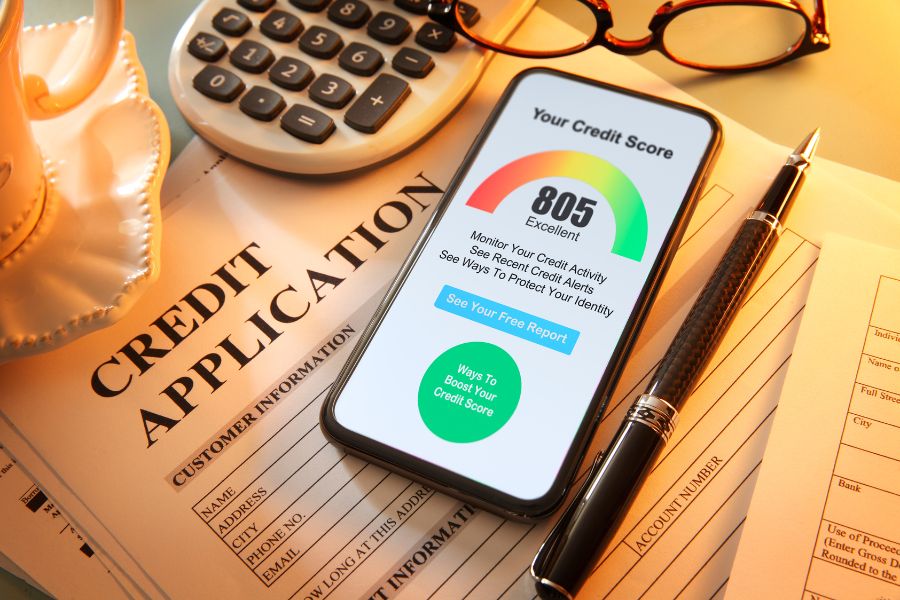
You really can’t afford to ignore your credit reports. Regular monitoring helps you catch problems before they grow.
Personal Credit Monitoring:
- Check all three bureaus every quarter.
- Use your free annual reports from AnnualCreditReport.com.
- Consider signing up for a credit monitoring service.
- Look for errors or anything suspicious.
Business Credit Monitoring:
- Keep an eye on your Dun & Bradstreet business credit reports.
- Don’t forget to check Experian and Equifax business profiles too.
- Make sure vendors and suppliers are reporting your payments.
- Watch for incorrect business info or outdated addresses.
Set a reminder to check your credit every three months. If you catch errors early, you’ll save yourself a lot of headaches and improve your loan chances.
Frequently Asked Questions
I know how tough it feels to get funding with bad credit. There are still some solid options out there, though. Here’s what I’ve learned about alternative loans, requirements, and strategies when banks just aren’t interested.
What are the alternative financing options for startups with poor credit histories?
Merchant cash advances are fast and don’t care much about your credit score. Companies like Expansion Capital Group will work with scores as low as 500 and offer up to $300,000.
Invoice factoring lets you sell unpaid invoices for quick cash. AltLINE accepts scores as low as 300 and can fund up to $5 million.
Microlenders focus on small loans—usually under $50,000—for early-stage businesses. Kiva U.S. is a good option for microloans, even if your credit score is just 300.
Community Development Financial Institutions (CDFIs) serve communities that banks often overlook. They care more about your business’s potential than your credit score.
Business credit cards might work for startups with no revenue. Card companies often look at your personal finances if your business is brand new.
Can you secure a business loan with bad credit without traditional bank requirements?
Online lenders are much more flexible about credit scores. Many only ask that you’ve been in business for three months and bring in at least $2,500 a month.
They usually want a personal guarantee or a general lien on your business assets, not specific collateral. Some loan products go as low as a 500 credit score.
Alternative lenders focus on your cash flow and business performance, not just your credit history. You’ll find short-term loans, lines of credit, and equipment financing without bank-level requirements.
Just know that higher interest rates and shorter repayment terms come with the territory. Annual percentage rates can be much higher than what banks offer.
What is the process of obtaining government-backed loans for small businesses with low credit scores?
SBA microloan programs are designed for businesses with limited credit history. These loans offer decent rates and terms up to seven years, usually for less than $50,000.
The SBA gives priority to women, veterans, minorities, and low-income entrepreneurs. Local microlenders handle the loans and offer business counseling.
You’ll need to apply through an approved SBA microlender, not directly with the SBA. Be ready to submit a business plan and financial documents to prove you can repay.
SBA microloans don’t require credit as high as traditional SBA loans. They care more about whether your business has a shot at success.
Are there specific loan programs available in California for entrepreneurs with bad credit?
California is packed with CDFIs that serve different regions and communities. These organizations get funding to help businesses that can’t access traditional loans.
You can find a full list of certified California lenders on the CDFI Fund website. Each one has its own requirements and specialties.
A lot of California CDFIs don’t ask for traditional collateral. They’ll often offer more affordable rates and personal guidance compared to online lenders.
Local Small Business Development Centers are all over California. They provide free consulting and help you prep loan applications or connect with the right lenders.
How can a business with no revenue and poor credit access funding for startup costs?
Friends and family loans can be surprisingly flexible. Just put everything in writing and follow IRS guidelines to keep it official.
Crowdfunding lets you raise money by offering products or services in return. If you’ve got a unique idea or a strong online presence, this can really work.
Business grants give you money you don’t have to repay. Sure, the applications take effort, but the payoff can be huge if you qualify.
Some business credit cards accept applications from true startups before you’ve made a dime. In these cases, your personal finances matter most.
What steps should an LLC take to improve chances of loan approval despite a bad credit rating?
Let’s be real—bad credit can feel like a huge roadblock for any LLC hoping to get a loan. But you’ve got a few moves that might just tip the odds in your favor.
First, start building your business credit separately from your personal credit. I’ve seen plenty of owners open trade credit accounts with suppliers—it’s a simple step, but it works. Don’t forget to file your financial statements with commercial credit bureaus. This helps lenders see your business as its own entity.
Got a friend or business partner with strong credit? Bring them on as a cosigner. Lenders love seeing someone with solid finances backing up the loan. The cosigner agrees to step in if your business can’t make payments, which can seriously boost your application.
Another big one: craft a detailed business plan. I can’t stress this enough. Lenders want to know you’ve thought things through. Lay out your financial projections, and show exactly how you’ll use the loan to bring in more revenue.
If you’ve got collateral—like equipment or inventory—use it. Offering up assets can make lenders way more comfortable, even if your credit score isn’t great.
Taking these steps won’t guarantee approval, but they sure can help you stand out from the crowd.
