

You might think saving $25,000 takes a fat paycheck or some painful sacrifices. I used to think that too. But honestly? I built my entire dream fund with nothing but pocket change and those stray coins I found around the house.
I kept scooping up loose change and stashing it with a purpose. Before I knew it, those forgotten coins turned into a $25,000 fund that completely changed my financial outlook.
What started as a simple jar on my dresser became the foundation for my emergency fund and even my first investment account.
It wasn’t complicated or intimidating. I just grabbed every penny, nickel, dime, and quarter I found in my pockets, in couch cushions, and even under the car seats.
Then, I paired that with some smart saving moves that helped my small change grow way faster than I expected. In just three years, those scattered coins multiplied into real money.
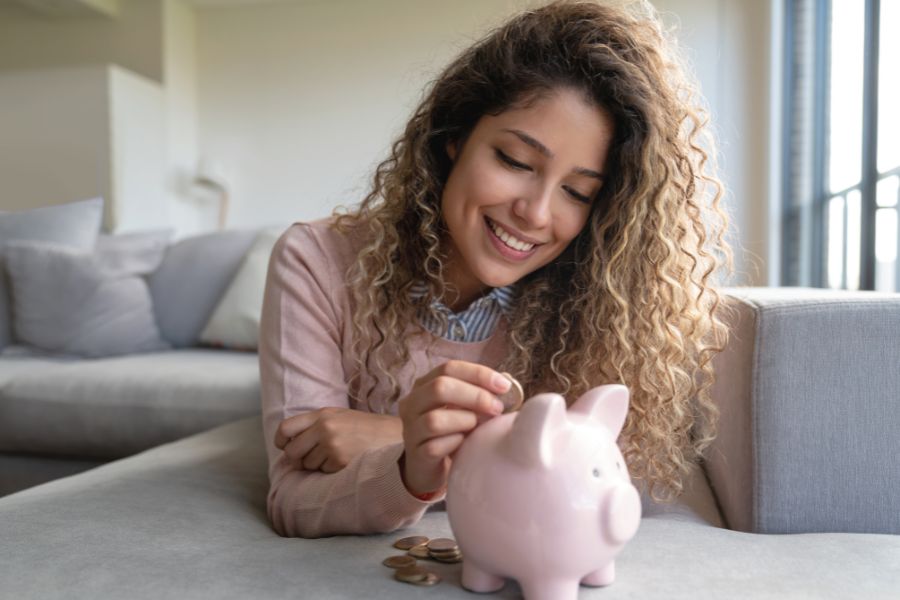
This method works because it chips away at the mental barrier of “I don’t have enough to save.” Everyone’s got pocket change. Anyone can start a dream fund today.
The trick is making the most of those small amounts and building habits that turn spare change into serious savings.
Key Takeaways
- Consistently saving pocket change can build up a surprising amount over time, and it won’t mess with your regular budget.
- Setting clear money goals and picking the right savings account helps your spare change grow faster, thanks to compound interest.
- When you hit $25,000, you can shift gears from saving to investing and start building wealth.
The Power of Pocket Change: How Small Savings Add Up
Even tiny amounts, saved regularly, can really add up. I had to track my progress and set up systems so saving felt effortless—not like a chore.
Building a Saving Habit With Spare Change
I kicked things off by collecting loose change from my daily life. Every time I bought coffee or groceries, I rounded up and saved the difference.
I decided to make this automatic in my mind. Any spare change I had? It went straight into a jar—no exceptions.
Where I found pocket change:
- Cash purchases at stores
- Coins left in vending machines
- Change from parking meters
- Extra bills from small buys
I also set up digital roundups with my banking app. If I spent $4.60 on lunch, my bank sent $0.40 to savings. That made my routine so much easier.
I gave myself a weekly goal. I tried to save at least $15 each week, sometimes more, sometimes less. Sticking with it mattered most.
Tracking Your Progress to $25,000
I made a simple spreadsheet to keep tabs on my savings. Every week, I wrote down how much pocket change I’d collected and checked my total balance.
My tracking looked like this:
- Weekly deposit amounts
- Running total
- Monthly progress toward my goal
- Notes on spending habits
| Month | Weekly Average | Monthly Total | Running Balance |
|---|---|---|---|
| 1 | $18 | $72 | $72 |
| 2 | $22 | $88 | $160 |
| 3 | $25 | $100 | $260 |
Watching those numbers climb pushed me to find more ways to save. Sometimes I challenged myself to save a little extra, just to see if I could.
Whenever I hit milestones—like $1,000 or $5,000—I celebrated. Maybe it was a nice dinner or something I’d wanted for a while.
Breaking big goals into smaller ones made $25,000 seem possible. I just aimed for $100, then $500, then $1,000. One step at a time.
Automating Micro-Savings for Success
Automatic transfers changed the game for me. I set my bank to move $20 from checking to savings every Friday.
That way, I didn’t even get the chance to spend it. I also turned on roundups for every debit card purchase.
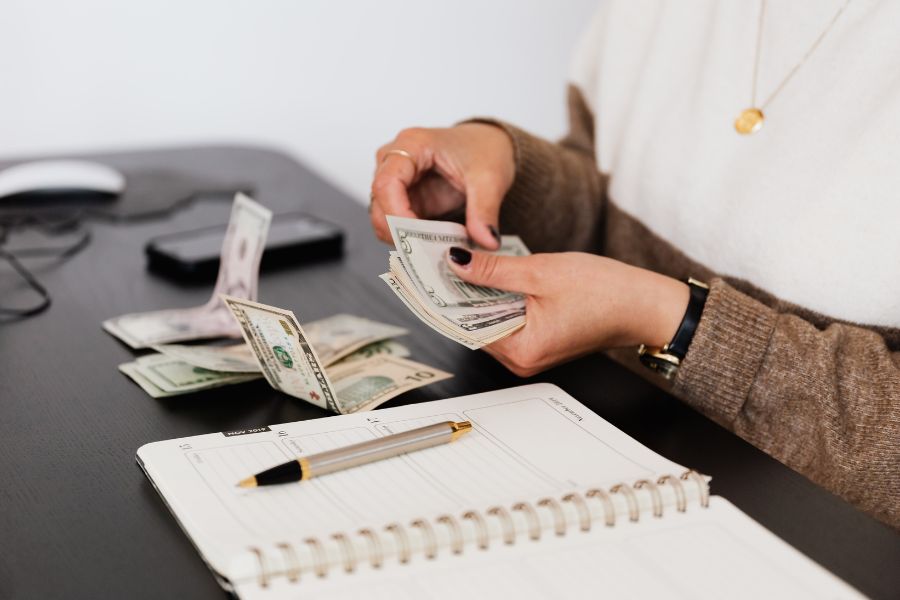
Here’s what I used:
- Weekly $20 auto-transfers
- Purchase round-ups
- Direct deposit splits from my paycheck
- Mobile apps that stash spare change
Every three months, I bumped up my auto-transfer by $5. It was just enough to notice, but not enough to stress me out.
My bank app showed exactly how much I saved through roundups each month. Sometimes I’d see $47 or $63 pile up from those tiny amounts. That kept me going.
Automation took the decision-making out of it. I didn’t have to remember to save, or fight the urge to spend.
Setting Clear and Achievable Financial Goals
I realized that specific financial goals make all the difference. I needed to know exactly what I wanted, break it down, and set deadlines that kept me motivated.
Defining Your Dream Fund Purpose
I learned the hard way that vague goals like “save money” just don’t work. My goal had to be clear and exciting—something that made me want to keep going.
I wrote down what my dream fund would actually buy. For me, it was $25,000 for a down payment on my first home. That target gave every coin a purpose.
Ask yourself:
- What are you saving for?
- How much do you need?
- Why does it matter to you?
I taped a photo of my dream house to my jar. Every quarter and dime brought me closer to walking through that door. That little visual boost really helped.
The clearer your purpose, the easier it is to stay motivated—especially when progress feels slow.
Goal Setting for Major Milestones
I broke my $25,000 target into chunks. Milestones at $1,000, $5,000, $10,000, $15,000, and $20,000 kept me on track.
Each time I hit a milestone, I celebrated—even if it was just a movie night or a small treat.
My milestone plan:
| Amount | Reward | Motivation Boost |
|---|---|---|
| $1,000 | Movie night | Proof it works |
| $5,000 | Nice dinner | Quarter way there |
| $10,000 | Small gift | Halfway point |
| $15,000 | Weekend trip | Almost there |
| $20,000 | Spa day | Final push |
Those little rewards made the long journey easier. Saving for three years would’ve felt endless without them.
Every celebration reminded me that my nest egg was growing, bit by bit.
Establishing a Savings Timeline
I gave myself three years to hit $25,000. That meant about $8,333 per year, or $694 per month. It was tough, but doable.
My pocket change habit brought in $200-300 a month, especially when I included loose bills. I added automatic transfers to reach my goal.

Monthly breakdown:
- Pocket change and cash: $250
- Automatic transfer: $400
- Side hustle earnings: $100
- Total monthly savings: $750
I tracked every month in my spreadsheet. If I fell behind, I hustled to catch up. If I got ahead, I celebrated—then kept going.
A realistic timeline kept me from giving up when things felt slow. Three years felt long, but not forever.
That deadline nudged me to make better daily choices, too.
Choosing the Right Place to Grow Your Dream Fund
Where you keep your spare change matters—a lot. The right account can help your money grow faster, and you want easy access when you need it.
Picking High-Yield Savings Accounts
I found out that high-yield savings accounts crush regular ones. My old bank paid 0.01% interest, but high-yield accounts offered 4% or more.
Online banks usually have the best deals. I opened accounts with Ally Bank, Marcus by Goldman Sachs, and Capital One 360—they paid way more than my old bank.
No monthly fees, low minimums. Some only needed $1 to start, which was perfect for my spare change stash.
The difference adds up. On $5,000, a high-yield account at 4.5% APY gives you $225 a year. A regular savings account? Maybe 50 cents. No contest.
I always checked for FDIC insurance. That protects up to $250,000 if the bank goes under.
Understanding Liquidity and Access
Liquidity just means how fast you can get your money out. High-yield savings accounts are great for this.
Most let you withdraw anytime. I could transfer funds online or use an ATM card if the bank had one.
There’s a federal rule—six withdrawals per month. Honestly, that helped me save, since I couldn’t just dip in whenever.
Some banks limit daily withdrawals to $500 or $1,000. I planned ahead for big expenses, but it was rarely an issue.
CDs pay higher rates but lock your money up. If you pull out early, you pay a penalty. Not my favorite for a dream fund.
Comparing APY and Interest Rates
APY is the real deal—it includes compounding. I always compared APY, not just the plain interest rate.
A 4.50% APY means if you put in $1,000, you’ll have $1,045 after a year. That’s with monthly compounding.
Here’s how I compared accounts:
| Account Type | Typical APY | Liquidity | Minimum |
|---|---|---|---|
| Regular Savings | 0.01-0.05% | High | $0-$25 |
| High-Yield Savings | 4.00-5.00% | High | $0-$100 |
| 1-Year CD | 4.50-5.25% | Low | $500+ |
Interest rates change all the time. I stuck with accounts that consistently offered good rates, not just flashy promos.
Some banks lure you with high intro rates, then drop them. I always read the fine print.
Creative Ways to Increase Your Dream Fund Faster
Saving up $25,000 isn’t just about pocket change. I found that smart expense cuts, strategic side hustles, and turning hobbies into cash made my savings grow three times faster.
Cutting Expenses Without Sacrifice
I learned that cutting living expenses doesn’t mean living like a hermit. It’s about smarter choices, not suffering.
Food and Dining:
- Meal planning shaved $150 off my grocery bill each month.
- Cooking an extra portion turned into next-day lunches.
- Grocery store apps saved me 10-15% on every trip.

Subscriptions and Services:
- I ditched unused streaming services for a $45 monthly win.
- Switched to generic brands for stuff like cleaning supplies.
- Negotiated my phone and internet bills down by $30.
Transportation:
- Walked or biked for short trips.
- Combined errands to save gas.
- Used public transit twice a week instead of driving.
These tweaks added $275 a month to my dream fund. I set my bank to auto-transfer the savings, so it happened without thinking.
Leveraging Side Hustles for Extra Cash
Side hustles sped things up. I picked gigs that fit my life and didn’t need much to get started.
Quick Cash:
- Food delivery brought in $400-600 a month.
- Pet sitting through apps added $200-300.
- Selling old stuff gave me a $150 boost right away.
Skill-Based Gigs:
- Tutoring paid $25 an hour.
- House cleaning for neighbors earned $80 a visit.
- Helping seniors with tech brought in steady side income.
I tracked every extra dollar and sent it straight to my dream fund. That way, I didn’t blow it on random stuff.
The best side hustles used skills I already had. Teaching math felt natural, and it was fun helping others at the same time.
Monetizing Hobbies and Skills
Let’s talk about making money from your hobbies—because honestly, who doesn’t want to get paid for doing what they love?
Creative Skills That Pay:
- I shot photos at small events and pulled in $200 to $500 each time.
- Handmade crafts? I listed them on online marketplaces and watched them sell.
- Writing blog posts for local businesses brought in $50 to $100 per article. Not bad for a few hours’ work.
Digital Services:
- I managed social media for small shops in my area.
- Sometimes I’d get hired to update websites or handle basic maintenance.
- Online tutoring in subjects I know well kept my evenings productive.
Teaching and Sharing Knowledge:
- I created online courses based on my real-world experience.
- Hosting workshops in my community became a rewarding way to earn extra cash.
- One-on-one coaching sessions let me help others while growing my income.
My photography hobby ended up being my biggest money maker. Weekend events and family portraits added $800 to $1,200 a month to my dream fund. That still surprises me sometimes.
I realized the trick was treating these gigs like real businesses. I set my rates, wrote up contracts, and always aimed to deliver top-notch results.
Reaching $25,000: What to Do Next With Your Dream Fund
Hitting that $25,000 milestone feels incredible. But honestly, it’s just the start of building wealth. So, what’s next? I focus on protecting that money with a solid emergency fund and then look for investment opportunities that let my money grow, but stay accessible.
Funding Your Emergency Fund First
Before I think about investing, I always make sure my emergency fund is covered. You need to stash away three to six months of living expenses in a high-yield savings account.
If my monthly expenses are $4,000, that means I need $12,000 to $24,000 set aside. For a lot of us, that eats up most of the $25,000 fund right away.
Emergency funds are for real emergencies:
- Losing your job or a sudden income drop
- Serious medical bills
- Urgent home repairs
- Car trouble that can’t wait
I keep this money totally separate from my dream fund. A high-yield savings account is my go-to. It’s liquid, and the 4-5% interest doesn’t hurt.
Once my emergency fund is set, I start channeling new savings into investments. Having this safety net makes it a lot easier to take calculated risks.
Exploring Investment Opportunities Beyond Saving
With my emergency fund locked down, I turn to investments for better long-term returns. Opening a brokerage account is usually my next step.

Stock market investments—especially index funds—offer easy diversification. The S&P 500 has returned 7-10% per year over the long haul. Most brokerages let you start with $1,000 or less.
Target-date funds adjust your risk automatically as you get older. They’re great if you don’t want to spend hours researching.
Individual stocks can offer big returns, but they take more time and research. I cap single stocks at 5-10% of my total portfolio, just to keep things balanced.
Real Estate Investment Trusts (REITs) let me invest in property without owning actual buildings. Many pay quarterly dividends in the 3-6% range.
I always research before putting money anywhere. Starting small keeps the risk manageable while I learn.
Deciding How Much to Invest vs. Keep Liquid
Finding the right balance between investments and cash depends on your goals and timeline. I use the 100 minus age rule to decide how much to put in stocks.
At 30, I might go 70% stocks, 30% bonds or cash. At 50, maybe 50/50. It’s not perfect, but it gives me a starting point.
My liquidity needs change based on:
- How solid my emergency fund is
- Any big short-term goals (like a house or wedding)
- How steady my job feels
- My personal risk tolerance
If I’ll need money in the next 2-3 years, I keep it in savings or CDs. For goals five years out or more, I’m comfortable riding out stock market swings.
A typical split for me:
- 40% emergency savings (high-yield account)
- 35% stocks (brokerage)
- 25% bonds or stable investments
I check this mix every six months. Life changes, and so do markets—so I stay flexible.
From Savings to Wealth: Investing and Securing Your Future
When I finally built up that $25,000, I realized just leaving it in savings wouldn’t cut it. Investing in index funds, bonds, retirement accounts, and even giving to charity helped me turn small savings into real wealth.
Exploring Index Funds and the Stock Market
Index funds opened the door to the stock market for me. No need to pick individual winners—these funds track entire indexes like the S&P 500, so I get instant diversification.
I started with $500 from my dream fund. Index funds usually charge super low fees (think 0.03% to 0.20% a year), which means more money stays invested.
What I like about index funds:
- No need to research every company
- Hundreds of stocks in one fund
- Less risk than betting on a single stock
- Good shot at steady, long-term growth
Honestly, the stock market seemed intimidating at first. But index funds made it manageable. I could just ride the market instead of trying to outsmart it.
My first index fund returned 7% in the first year. Not guaranteed, but historically, markets average about 10% a year.
Diversifying With Bonds and CDs
Bonds and CDs became my financial safety net. While index funds helped my money grow, these gave me some peace of mind.
I put about 30% of my investments into bonds. Government bonds don’t pay much, but they’re super safe. Corporate bonds pay a bit more but carry slightly more risk.
My bond mix:
- 60% government (Treasury) bonds
- 40% high-grade corporate bonds
- Average returns: 3-5% per year
CDs (Certificates of Deposit) work differently. I lock in my money for a set time—6 months, a year, whatever—and the bank pays me a fixed rate.
Right now, CD rates range from 4% to 5.5% depending on the term. I set up a CD ladder, buying new ones every few months to take advantage of changing rates.
This combo helps cushion the blow when stocks take a hit. Bonds and CDs don’t jump around as much.
Starting Retirement and Roth IRA Accounts
Opening retirement accounts changed the game for me. I started with a Roth IRA because of the tax perks and flexibility.
Why I love Roth IRAs:
- Money grows and comes out tax-free at retirement
- No required minimum withdrawals
- I can pull out my contributions anytime, no penalty
- $7,000 annual contribution limit for 2025
I set up $583 monthly transfers to max out my Roth IRA. That money grows tax-free until I need it decades down the road.
My job offers a 401(k) with a 50% match on up to 6% of my pay. That’s free money, so I always take full advantage.
Having several retirement accounts means I’m building passive income for the future. These days, my retirement fund grows even when I’m not working.
I invest more aggressively when I’m younger, then shift to safer options as I get older.
Using Your Fund for Charitable Contributions
Giving to charity turned out to be a smart financial move, too. Strategic donations can lower my taxes and support causes I care about.
I donate appreciated investments instead of cash. If my index fund shares go up, I give those shares directly to charity. No capital gains tax, and I get a deduction.

Tax perks I use:
- Deduct up to 60% of my income with cash donations
- Deduct up to 30% with appreciated assets
- Carry over unused deductions for five years
I set up a donor-advised fund and contributed $5,000 from my dream fund in a high-income year. I got the full deduction right away, but I can give to charities over time.
Some folks even donate required minimum distributions from retirement accounts. That’s a great way to lower taxable income while helping others.
There are even charitable remainder trusts, which pay you income now and donate the rest after you’re gone. It’s advanced stuff, but worth looking into if you want to build a legacy.
Frequently Asked Questions
Trying to build a $25,000 fund from spare change? I get a lot of questions about how to do it, how long it takes, and what to do next. Here are some of the best tips I’ve picked up along the way.
What are the top strategies for accumulating a significant fund by saving small amounts of money?
I started by collecting loose change every day and dropping it into a dedicated savings account each week. Consistency matters way more than the amount.
I set up automatic transfers that rounded up my spending after every purchase. That alone saved me over $200 a month, and honestly, I barely noticed.
The “pay yourself first” method worked wonders. I’d save my spare change before spending on anything else, which made saving a habit.
Setting clear goals for my change kept me motivated. I’d earmark coins for vacations, emergencies, or gifts.
Using cash for small purchases generated more physical change to save. I switched back to cash for a while just for this reason.
The envelope method helped me stay organized. I labeled containers for different savings goals and tracked my progress visually.
What are the benefits of investing pocket change over time, and how can it contribute to financial goals?
Compound interest makes even small amounts grow surprisingly fast. My $2-a-day change habit turned into over $750 a year with basic interest.
Regular small investments help smooth out the market’s ups and downs. Dollar-cost averaging made my portfolio less volatile.
Saving with pocket change built the discipline I needed for bigger investments. I learned to save first, spend later.
Consistent small investments often beat big, irregular ones. My steady habit built wealth faster than the occasional lump sum.
Pocket change investing removes the “I don’t have enough to start” excuse. Anyone can begin with whatever coins they find.
How can one effectively save $25,000 in a year with a proactive savings plan?
To hit $25,000 in a year, I needed to save about $2,083 a month or $481 a week. Breaking it down, that’s $68.49 a day.
Multiple income streams made it possible. I combined my salary, side gigs, and saved change to meet my targets.
Cutting big expenses like eating out, subscriptions, and impulse buys freed up extra cash. I funneled those savings straight to my goal.
Automating my savings kept me from spending first. Transfers went out right after payday.
Tracking progress each week kept me motivated. I used a simple spreadsheet to see how I was doing.
I found ways to earn extra, like selling unused stuff, freelancing, or picking up gig jobs.
What investment options should be considered after saving a $25,000 nest egg to maximize growth?
High-yield savings accounts are a good place to park cash while earning 4-5%. I kept my emergency fund there for easy access.
Index funds give broad market exposure with super low fees. I put 60% of my fund into total stock market index funds for growth.
Target-date funds work well for retirement savings. They adjust risk automatically as your timeline changes.
REITs (Real Estate Investment Trusts) add property exposure without the hassle of owning buildings. I put 10% into REITs for diversification.
Treasury bonds give guaranteed returns and safety. I used them for the part of my fund I wanted to keep extra stable.
Could you guide me through the process of turning $20,000 into $40,000 with smart financial moves?
Doubling your money isn’t magic—it takes time and smart choices. The rule of 72 says 8% annual returns will double your money in about nine years.
Maxing out tax-advantaged accounts like 401(k)s and IRAs gives immediate tax perks. I put $6,500 into my IRA for the deduction.
Diversifying across stocks, bonds, and real estate keeps risk in check while still growing your money. I went 70% stocks, 20% bonds, 10% alternatives.
Dollar-cost averaging into index funds helped me ride out market swings. I invested $1,000 a month, rain or shine.
I always picked funds with expense ratios under 0.1% to avoid losing money to fees.
When markets got shaky, I stayed invested. Selling during downturns just locked in losses—patience paid off in the long run.
Why should someone consider a high-yield savings account and how does it differ from other savings options?
Let’s be honest—traditional banks barely pay any interest. Most offer something like 0.01% to 0.5%. High-yield savings accounts, though, can give you 4-5% right now. That’s a massive difference, especially if you’re thinking long-term.
Online banks usually lead the pack here. They don’t have huge buildings or tons of staff, so they pass those savings on. When I switched from my neighborhood bank, I started earning about 20 times more interest. It felt like my money finally started working for me.
Safety matters, of course. FDIC insurance still covers up to $250,000 per depositor, so high-yield accounts are just as secure as regular ones. You don’t have to trade peace of mind for better returns.
One thing that really sold me? Flexibility. I could move my money in and out whenever I wanted—no penalties, no waiting periods. It’s way more liquid than a CD or bond, so I didn’t feel locked in.
High-yield accounts also welcome everyone. There’s usually no minimum balance. I opened mine with just $100, and it didn’t feel intimidating at all.
Here’s a fun part: the interest compounds daily or monthly. That means your money grows faster than with annual compounding. Over time, I watched my balance climb steadily, and honestly, it was kind of motivating.
