

Saving $5,000 in a year? It sounded wild to me, especially when I was living paycheck to paycheck. But, honestly, I stumbled onto something so simple that it almost felt like a trick. I started saving only $1 bills, and before I knew it, my savings began to grow—without me feeling deprived or making any huge sacrifices.
Here’s what I did: I collected every single $1 bill I got my hands on and tossed it into a dedicated jar. Week after week, I averaged about $96, and it never once threw off my normal spending. Singles just feel so easy to let go of, right? Whenever I got change at the store or a friend handed me cash, those bills went straight into my savings container.

What really surprised me was how painless this felt. Saving small amounts every day took away that mental block of stashing away a big chunk of cash. Most of us barely notice when singles vanish from our wallets—they’re just “pocket change,” after all. But by the end of the year, I turned all that loose change into a real emergency fund that made me feel safe for the first time in ages.
Key Takeaways
- Collecting $1 bills creates painless savings because small bills are easier to part with than larger ones.
- Putting away around $96 in singles each week adds up to $5,000 in a year.
- The trick is to track your expenses and stash those $1 bills in a separate spot immediately.
Setting Specific Savings Goals
Having a clear goal honestly changed everything for me. When I knew exactly why I was saving $5,000, the daily routine felt way less tedious.
Choosing a Purpose for Your $5,000 Savings
Trying to save money without a specific goal never worked for me. My $5,000 target needed a purpose, or I’d lose steam fast.
I made my emergency fund the top priority. Experts say you should have 3-6 months of expenses set aside, and $5,000 covered about three months of my basic needs—rent, groceries, that sort of thing.
You could also pick:
- A vacation fund for your dream trip
- A car down payment
- Home improvement projects
- Knocking out some debt
I grabbed a sticky note and wrote, “Emergency fund – $5,000 by December 31st.” That thing lived on my bathroom mirror all year.
Pick something that actually matters to you. Generic goals like “save for the future” just don’t work for most people.
Building Motivation for Long-Term Success
At first, saving $417 a month felt like a mountain. Breaking it down made it way less scary.
I realized I needed to save about $14 a day in singles. Fourteen $1 bills, every day, into the jar.
A few things helped me stick with it:
- I set a phone alarm at 8 PM: “Save your $14.”
- I kept photos of my goal on my phone—just little reminders.
- Every week, I checked in on my progress.
Telling a few friends about my goal gave me some much-needed accountability. They’d ask how it was going, and I didn’t want to let them down.
Whenever I hit another $500 saved, I treated myself to something small—a coffee, a movie rental. Little rewards made a big difference.
Months 4-6 were the toughest. The excitement faded, but reminding myself why I started kept me moving forward.
Visualizing Your Progress with Savings Trackers
My savings tracker kept me honest. Watching the progress build up visually made the whole thing feel possible.
I drew a chart with 50 boxes, each worth $100. Every time I hit another $100, I colored in a box. Seeing those colors fill in was weirdly satisfying.

Digital tools helped, too:
- I kept a spreadsheet with weekly totals.
- My banking app had progress bars.
- I snapped photos of my growing stack of $1 bills.
Having the physical bills made it easy to track. I could see the pile get bigger every day, which was honestly motivating.
Some days I’d grab $20 in singles, other days just $8. My tracker helped me spot when I was falling behind, so I could catch up.
I took monthly photos of my stacks. Looking back at those pictures now, I can’t help but feel proud of what a simple habit accomplished.
Designing a $1 Bill Savings Plan
If you want to save $5,000 using only $1 bills, you need a system that works for you. I found that daily deposits mixed with some savings challenges kept me motivated and on track.
How the $1 Bill Method Works
The $1 bill method is all about turning those loose singles into real money. I started grabbing every $1 bill I got from shopping, tips, or random cash.
Instead of spending them, I immediately dropped them in my savings jar. Sometimes I’d even break a $20 just to get more singles to save.
Why does this work? Well, $1 bills just don’t feel like much. Saving a $20 hurts, but saving five singles feels like nothing.
I jotted down how many singles I collected each day in a notebook. Most days, I grabbed 8-12 just by being intentional with my spending.
Here are a few tricks I used:
- Paid with bigger bills to get more singles as change.
- Asked for $1 bills whenever I could.
- Saved all my tips in singles.
- Broke larger bills on purpose.
Planning Daily and Weekly Contributions
My daily target was 10-15 singles for the savings jar. With my regular spending, this was totally doable.
Collecting 14 singles a day would land me $5,110 in a year. Some days I hit more, some less, but it averaged out.
Here’s how my week usually looked:
| Day | Target Amount | Collection Method |
|---|---|---|
| Monday | $12-15 | Grocery shopping change |
| Tuesday | $8-10 | Coffee shop visits |
| Wednesday | $10-12 | Lunch purchases |
| Thursday | $8-10 | Gas station transactions |
| Friday | $15-18 | Restaurant visits |
| Weekend | $20-25 | Various errands and activities |
I started planning my spending to get more $1 bills. Instead of using my card, I’d pay cash for small stuff just to generate singles.
Every Sunday, I counted my stash and celebrated hitting my weekly goal.
Combining the $1 Bill Approach with Challenges
To keep things interesting, I mixed in some challenge elements. The 100 envelope challenge gave me the idea to use numbered envelopes for each milestone.
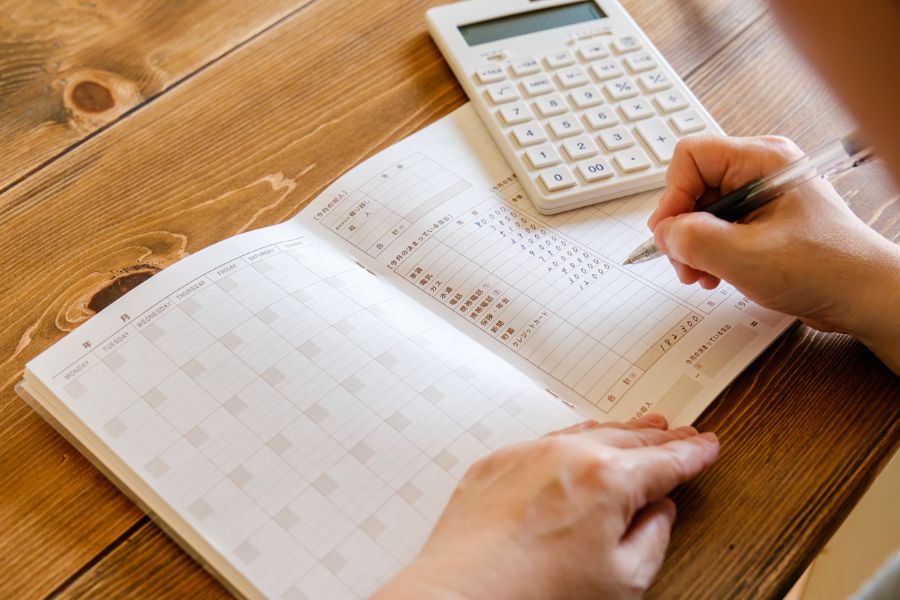
I didn’t follow the 52-week challenge exactly. Instead, I stuck with my daily singles while using envelopes to keep me motivated.
Here’s what worked for me:
- Collected $1 bills every day.
- Celebrated weekly milestones.
- Added extra savings during good weeks.
- Reviewed my progress every few months.
If I had a week where I collected more singles, I’d use the extra as a buffer for slower weeks.
The envelope method fit perfectly with singles. I used numbered envelopes and filled each with about $96 in $1 bills.
Mixing a steady system with a little challenge kept things fun. The daily habit became automatic, and the milestones gave me something to look forward to.
Smart Budgeting Techniques to Maximize Your Savings
A solid budget made all the difference. I tracked every dollar and found more money to save in $1 bills than I expected. I tried out budget templates, cash-only methods, and digital tools to stay on track.
Using Budget Templates for Effective Planning
I started with a basic budget template, splitting my income and expenses into clear chunks. The 50/30/20 rule (needs/wants/savings) gave me a starting point.
My template had:
- Fixed expenses like rent and utilities
- Variable stuff like groceries and gas
- Savings goals
- Emergency fund
Every week, I updated my template to see where I stood. It was eye-opening. I realized I was dropping $180 a month on coffee and lunch—money that could have gone straight into my savings jar.
Keeping it simple made it stick. Too many categories and I lost interest.
Envelope Cash Budgeting and Cash-Only Methods
The envelope method fit my $1 bill savings perfectly. I had envelopes for groceries, fun, and personal stuff, each with a set amount of cash for the month.
Whenever I paid for something, I asked for change in singles. Those went straight into my jar.
Using only cash made me think about every purchase. Watching the money leave my hand stopped a lot of impulse buys.
Each envelope had a label and an amount. Groceries got $400, entertainment $150, personal $100.
When an envelope ran out, that was it for the month. No cheating. That discipline helped me stay within my limits.
Leveraging Budgeting Apps and Tools
Apps like Quicken made tracking super easy. I linked my accounts and saw every transaction in one place.
Whenever I got close to my spending limits, the app sent me a warning. That kept me from going overboard.
I set my $5,000 savings goal in the app, and it showed my progress with charts and graphs. Seeing that line go up kept me motivated.

I set up automatic transfers for $417 each month, right after payday. That way, I never had a chance to spend it.
My app categories matched my cash envelopes, so I always knew where my money was going.
Optimizing Where You Save: Banking Strategies for Growth
The right bank account can really boost your $1 bill savings. I learned that separating my savings and automating the process made my money grow faster.
Opening a Dedicated Savings Account
I opened a separate account just for my $1 bill challenge. Keeping it away from my checking account helped me avoid “accidentally” spending my savings.
Tracking progress became way easier. I could see exactly how much I had without any confusion.
Some perks I noticed:
- Saved money stayed put
- Progress was crystal clear
- Motivation went way up
I picked an account with no minimums or fees. Starting with just a few bucks, that was important.
Most banks offer free savings accounts if you keep a low balance. I always checked the fine print first.
Honestly, watching that balance climb made me want to save even more.
Choosing a High-Yield Savings Account (HYSA)
After a few months, I moved my savings to a high-yield account. The extra interest was a nice bonus.
Traditional vs High-Yield Comparison:
| Account Type | Average APY | Earnings on $2,500 |
|---|---|---|
| Traditional Savings | 0.05% | $1.25/year |
| High-Yield Savings | 4.50% | $112.50/year |
Online banks usually have the best rates. I found some that paid nearly 90 times more than my old bank.
My HYSA added about $80 in interest by the end of my challenge. Not bad for money that would’ve just sat there otherwise.
I made sure my bank had FDIC insurance and no monthly fees. Safety matters.
Signing up took maybe 10 minutes online. Most high-yield accounts let you start with just a buck or two.
Setting Up Automatic Transfers to Stay Consistent
Automatic transfers have honestly become my secret weapon for staying consistent. I set up weekly transfers from my checking to my savings account—nothing fancy, just a simple routine.
I kicked things off with $20 automatic transfers every week. That forced me to actually collect and deposit $1 bills to cover the transfer. It felt a little silly at first, but it worked.
My transfer schedule:
- Monday: $20 automatic transfer
- Friday: Manual deposit of collected $1 bills
Automation took the decision-making out of saving. The money moved whether I felt like saving or not—no excuses, no “I’ll do it later.”
I could easily adjust the transfer amount in my banking app. If things felt tight, I’d lower it to $10. On good weeks, I’d bump it up to $30.
This setup kept me accountable. If I didn’t collect enough $1 bills, my account would dip too low for the transfer, and I’d notice fast.
Most banks let you set up free automatic transfers between your accounts. Setting it up took me less than five minutes online. I’m not exaggerating.
Boosting Savings with Expense Cutting and Extra Income
Cutting expenses and earning extra money became my two go-to strategies for hitting my $5,000 goal faster. I focused on canceling unused subscriptions, slashing big costs like car insurance, and picking up extra cash through side hustles.
Reducing Recurring Expenses and Canceling Subscriptions
I started by combing through every monthly charge on my bank statements. I couldn’t believe how many subscriptions I’d forgotten about.
My first move was to cancel subscription services I wasn’t using. I found three streaming services, a fitness app, and a magazine subscription—$47 a month, just gone. That’s $564 a year back in my pocket.

Apps that track recurring payments helped a ton. They scanned my accounts and showed exactly what I was paying for each month.
Monthly subscriptions I canceled:
- Netflix: $15.99
- Unused gym app: $9.99
- Magazine subscription: $12.99
- Second streaming service: $8.99
I called my phone and internet providers to ask about cheaper plans and promotions. My internet bill dropped from $89 to $59 per month—just by asking.
Sometimes, I paused subscriptions instead of canceling. That worked for seasonal services I might want again later.
Cutting Costs on Food, Transportation, and Insurance
Food was my next big target for savings. I started meal planning every Sunday and cooked at home way more often.
Meal prepping saved me about $200 a month. I’d make big batches of food and freeze leftovers for busy nights. Takeout became a rare treat.
My weekly meal plan strategy:
- Sunday: Plan all meals and make a grocery list
- Monday: Shop using only the list
- Tuesday: Prep veggies and proteins
- Cook double portions for leftovers
For transportation, I combined errands into one trip and started walking to nearby stores. My gas bill shrank, and I got in more steps.
Insurance was another area I tackled. I shopped around for car insurance and found a policy $300 cheaper per year. Raising my deductible from $500 to $1,000 lowered my monthly payment.
Bundling car and renters insurance with the same company scored me an extra 15% discount. Those little switches add up.
Utilizing Coupons, Cashback, and Rewards Apps
I downloaded a few cashback apps to earn money on stuff I was already buying. Swagbucks and InboxDollars became my favorites.
Swagbucks let me earn points for watching videos, taking surveys, and shopping online. I made around $25 a month without changing my habits.
InboxDollars paid me for reading emails and doing quick tasks. The earnings were smaller, but it took almost no effort.
I used coupons at the grocery store, but only for things I actually needed. No sense saving a dollar on something I’d never buy.
My cashback app routine:
- Check apps before any online shopping
- Scan receipts right after I shop
- Do daily tasks when I have downtime
- Cash out earnings monthly
Credit card rewards points covered some of my grocery bills. That freed up cash for my $1 bill savings.
Earning More with Side Hustles
Side hustles made a huge difference in reaching my savings goal faster. I picked flexible gigs that fit around my main job.
I drove for Uber on weekend nights, usually Friday and Saturday. That brought in an extra $150-200 per month, especially during busy hours.

Pet sitting was another steady income stream. I used apps to find local clients. Walking dogs paid $15-20 per walk, and I actually enjoyed it.
My side hustle schedule:
- Uber: Friday and Saturday nights, 4-6 hours total
- Pet sitting: Weekday lunch walks, weekend overnight stays
- Online surveys: During TV time or on my commute
I sold stuff I didn’t need—old electronics, clothes, books. That brought in about $300 over six months.
Every dollar from side hustles went straight into my savings jar. I treated it as untouchable money, not for everyday spending.
Tracking Results and Staying Motivated
Watching your progress grow week by week really keeps you going. Breaking the $5,000 goal into smaller chunks and celebrating little wins makes the whole thing feel possible.
Using Savings Trackers and Printable Checklists
I printed out a basic savings tracker and taped it to my bathroom mirror. Every time I added $1 bills to my jar, I colored in another square.
The tracker showed my progress from $0 to $5,000 in $100 steps. Each row meant $500 saved. Filling in a row felt like hitting a mini milestone.
My favorite tracking methods:
- Weekly goal sheets ($96 per week)
- Monthly progress charts ($417 per month)
- Visual jar photos on my phone
I also kept a notebook for every deposit. Watching the numbers climb from $50 to $500 to $1,500 kept me pumped.
The trick was making tracking quick and visible. I spent less than 30 seconds a week updating my chart. That tiny habit reminded me of my goal every single day.
Celebrating Milestones Along the Way
I set up little celebrations for every $1,000 saved. At $1,000, I treated myself to my favorite coffee. At $2,000, I bought a new plant for my place.
These rewards were cheap—never more than $20. The point was to mark my progress, not blow my budget.
My milestone rewards:
- $1,000: Special coffee ($5)
- $2,000: New plant ($15)
- $3,000: Movie night at home ($10)
- $4,000: Favorite takeout meal ($18)
I snapped photos of my growing pile of $1 bills every month. Looking back at those pictures showed me how far I’d come.
Small celebrations kept me motivated, especially on tough weeks. When I wanted to spend my saved bills, I remembered how great it felt to hit each milestone.
Reinvesting for Growth with Compound Interest
After six months, I moved $2,500 of my $1 bills into a high-yield savings account. That money started earning compound interest while I kept saving the rest in cash.
The account paid 4.5% interest per year. My $2,500 earned about $9 a month just sitting there.
I kept collecting $1 bills for the other $2,500. This split let me earn interest and keep my cash-saving habit going.

My split strategy:
- $2,500 in high-yield savings (earning interest)
- $2,500 as $1 bills (for motivation)
By year’s end, the interest added another $67 to my total. So I ended up with $5,067 instead of just $5,000.
That extra interest felt like free money. Starting compound interest early, even with half my savings, gave me a head start on future goals.
Frequently Asked Questions
Here are some of the most common questions I get about saving money fast. I’ll share what’s actually worked for me and others I know.
What are effective strategies to save $5,000 within a year?
Breaking $5,000 into small daily amounts made it feel possible for me. You’re looking at about $13.70 a day or $96 a week.
Automating my savings was the biggest game-changer. I set up automatic transfers on payday so I never saw the money in my checking account.
I cut my biggest expenses first—food and transportation gave me the most wiggle room.
Earning extra money sped things up. I sold stuff I didn’t need and picked up freelance work on weekends.
Using cash for all purchases helped me stay aware of my spending. I could see exactly how much I had left each week.
Can you provide a bi-weekly savings plan to achieve a $5,000 goal in 12 months?
A bi-weekly plan means saving $192.31 every two weeks. This works great if you get paid every other Friday.
Set up automatic transfers for the day after payday. That way, you don’t accidentally spend the money.
Break your bi-weekly goal into smaller amounts—$96 from each paycheck per month.
Track your progress monthly. After two months, you should have $833 saved; by six months, $2,500.
If you miss a goal, don’t stress. Add the missing amount to your next transfer or stretch your timeline a bit.
What tools or calculators can assist me in planning to save $5,000 over the course of a year?
Most banks have free savings calculators on their websites. They show how much you need to save daily, weekly, or monthly.
Budgeting apps like Mint or YNAB help track your progress automatically. They connect to your accounts and show your savings grow in real time.
A simple spreadsheet works too. I made one with my goal amount and checked off each $100 I saved.
Round-up apps like Acorns save your spare change automatically. Every little bit helps.
High-yield savings account calculators show how interest boosts your savings. Even a small amount of interest adds up over a year.
Is it realistic to save up to $5,000 within two months, and if so, how can I do it?
Saving $5,000 in two months means $2,500 saved each month. That’s tough, but not impossible if you get creative.
You’ll need to cut expenses to the bone and hustle for extra income. Eliminate all non-essential spending.
Selling valuable items—electronics, jewelry, furniture—can bring in cash fast.
Take on extra work like delivery driving or freelancing. You might need to work 60-70 hours a week for a bit.
Moving in with family or getting a roommate can slash your housing costs by $1,000 or more per month.
Skip all entertainment, eating out, and subscriptions for those two months. Every dollar counts.
What savings plan should I follow to accumulate $50,000 in a year, and can those strategies be scaled down for smaller savings goals?
Saving $50,000 means putting away about $4,167 each month. That’s a lot, and you’ll need several income streams plus low expenses.
The same strategies work for smaller goals, just at a different scale. Automate savings, cut major expenses, and find ways to earn extra cash.
For $5,000, maybe you sell $500 worth of stuff. For $50,000, you’d need to sell $5,000 worth of belongings.
Both goals require tracking every dollar and staying motivated with visual progress charts.
Start with smaller goals first. If you can save $5,000, you’ll build the habits and confidence you need for bigger milestones later.
What approaches can I take to save $5,000 in just six months?
Alright, let’s break it down. To stash away $5,000 in half a year, you’ll need to save about $833 each month, or if you prefer, that’s $192 every week. Honestly, it’s not easy, but with a six-month runway, you do have a little breathing room.
Here’s what worked for me: the 50/50 approach. I trimmed $400 from my monthly spending, then hustled to earn an extra $400 each month. It sounds ambitious, but splitting the goal makes it less overwhelming.
Start with your top three spending categories. For most folks, that’s food, transportation, and entertainment. I managed to cut $400 just by eating out less, carpooling, and skipping a few nights out.
Seasonal gigs can make a real difference. Think about tax prep during the busy season, picking up retail shifts during the holidays, or snagging a summer job. Those short-term boosts can really add up.
Try the envelope method for your fun money. I put cash in envelopes labeled for things like coffee or movies, and when the envelope’s empty, that’s it for the month. It feels old-school, but it works.
If you’re up for it, a weekend side job can be a game changer. Ten hours a week at $15 an hour? That’s $600 a month right there. It might eat into your downtime, but seeing your savings grow is a pretty great trade-off.
