

Building an emergency fund always seemed out of reach when my budget was tight. Honestly, I used to think only people with big paychecks could stash away thousands for emergencies.
Turns out, I was wrong. I managed to build a 6-month emergency fund just by hoarding loose change and spare coins.
Here’s the wild part: I turned forgotten pennies and quarters into $4,200 over 18 months. I didn’t touch my paycheck or sacrifice my usual lifestyle.

No side hustles. No massive cutbacks. Just collecting coins most folks ignore or toss aside.
I realized tiny amounts add up faster than you’d expect. By the end, I had enough to cover rent, groceries, and bills for a solid six months.
You can totally steal this idea. There’s probably enough change in your couch cushions to get started.
Key Takeaways
- Picking up loose change from everyday life can build a real emergency fund—without squeezing your regular budget.
- Having a clear savings target based on your actual expenses keeps you motivated and makes progress easier to track.
- Storing coins carefully and converting them regularly helps your emergency fund grow without losing momentum.
Why Aim for a 6-Month Emergency Fund?
A 6-month emergency fund just makes sense. It’s the sweet spot between solid financial protection and a goal you can actually reach.
This chunk of savings covers most financial emergencies and gives you time to recover from job loss or a major bill.
The Importance of Financial Security
Financial security really starts with a cushion for life’s curveballs. A 6-month fund shields you from debt and those sleepless nights of money stress.
There’s a special kind of peace in knowing you won’t get wiped out by a car repair or a sudden layoff. Once you’re covered for six months, you can start thinking about long-term dreams instead of the next disaster.
Did you know 56% of Americans can’t cover a $1,000 emergency? That’s a lot of people one flat tire away from panic.
High-interest debt is a trap. An emergency fund keeps you from reaching for credit cards or loans when things go sideways.
And hey, it also protects your other goals. If you’ve got savings, you don’t have to pause retirement or sell investments just to survive a rough patch.
Six Months of Expenses: What to Cover
Six months of expenses should only include the stuff you absolutely need to get by. Think survival mode, not Netflix and takeout.

Essentials:
- Rent or mortgage
- Utilities (electricity, water, gas, phone)
- Groceries
- Transportation
- Insurance premiums
- Minimum debt payments
- Basic healthcare
Skip these:
- Eating out and entertainment
- Subscriptions
- Shopping sprees
- Hobbies and luxuries
Let’s do the math. If your core expenses are $3,000 a month, you’ll need $18,000 for six months.
That’s enough to job hunt or recover from a big setback. Most people find new work in 3-5 months, so six months is a safe bet.
Protecting Yourself From Financial Emergencies
Emergencies don’t usually send a warning. A 6-month fund will handle most of the chaos life throws your way.
Job loss is the big one for most folks. Unemployment checks rarely cover everything, and job hunts can drag on.
Medical bills can wipe out savings in a flash—even with insurance. ER visits and treatments pile up fast.
Home repairs like busted furnaces or leaky roofs can’t wait. They’re expensive and usually urgent.
Car trouble can sideline you from work or life. Major repairs or a new ride require cash, not just good intentions.
With a solid emergency fund, you can handle these moments calmly. You get to make smart choices, not desperate ones.
The psychological benefits are huge, too. Knowing you’ve got backup money lowers stress and makes life a lot more manageable.
Calculating Your Emergency Fund Target
You can’t save what you don’t measure, right? Figuring out your six-month target starts with knowing your real expenses.
Tracking Your Monthly Expenses
Start by jotting down every dollar you spend for a month. Don’t skip the little stuff—coffee runs and $1 app subscriptions count.
Track these:
- Rent or mortgage
- Utilities (electricity, gas, water, trash)
- Groceries (not takeout!)
- Car payments, gas, public transit
- Insurance (health, auto, renters)
- Minimum debt payments
Honestly, most people spend way more than they think—sometimes 20-30% more. Use an app or just a notebook. The important thing is accuracy.
Identifying Essential Costs
Once you’ve tracked everything, split your expenses into “must-haves” and “nice-to-haves.” Essentials are the bills you can’t skip.
Essentials:
- Rent or mortgage
- Utilities to keep the lights on
- Groceries and household supplies
- Getting to work (car, bus, etc.)
- Insurance premiums
- Minimum debt payments
- Basic phone service
Cut these out:
- Restaurants and takeout
- Streaming services
- Gym memberships
- Shopping for fun
You’ll probably spot some easy savings here. If you’re dropping $400 on dining out, that shouldn’t be part of your emergency fund math—only your grocery spending counts.
Your emergency fund is for survival, not comfort.
Setting a Savings Goal
Multiply your essentials by six. That’s your emergency fund target.
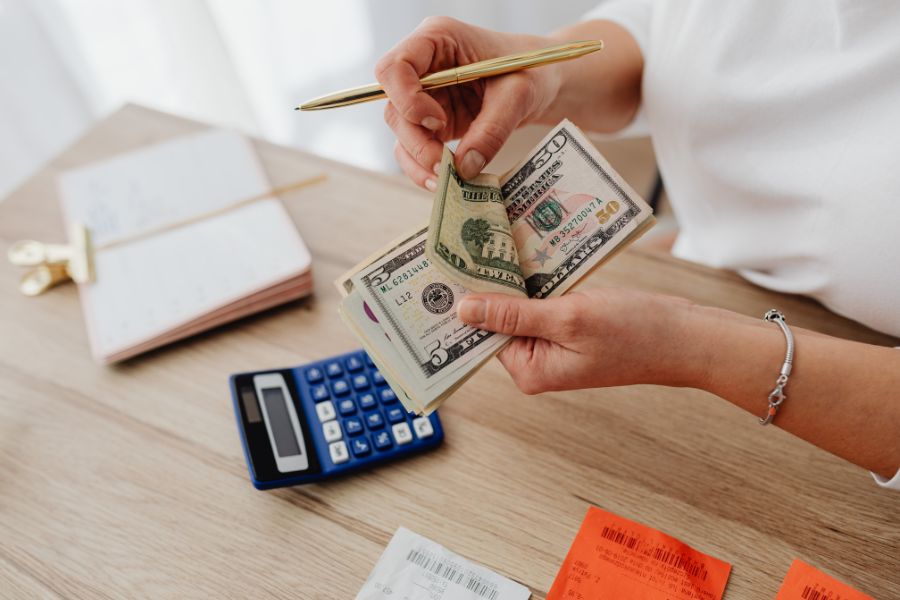
Example:
| Expense Category | Monthly Amount |
|---|---|
| Rent | $1,200 |
| Utilities | $150 |
| Groceries | $300 |
| Transportation | $200 |
| Insurance | $180 |
| Debt Payments | $220 |
| Total Monthly | $2,250 |
| Six-Month Target | $13,500 |
That’s your number. Don’t let it scare you.
Break it down. Start with a one-month goal, then stack on months as you go. Small wins keep you moving.
How I Collected Loose Change to Build My Fund
I made collecting loose change a daily habit. It became kind of a game—finding money in places I used to overlook.
Everyday Habits That Helped Me Save Change
Every night, I’d empty my pockets into a jar by the front door. Even a handful of coins started to add up.
Once a month, I’d go cash-only for a week. Paying with bills meant I got more change back, which went straight into the jar.
Sunday mornings, I’d clean out my car. Cup holders and seat cushions were basically coin mines. I usually found $3-7 just from a quick sweep.
I even started paying with bigger bills on purpose. Breaking a $20 instead of using exact change always left me with more coins at the end of the day.
Creative Ways to Find Extra Money
Every month, I’d dig through couch cushions and under furniture. Chairs, sofas, even the laundry room—there’s always forgotten change hiding somewhere.
I told friends and family about my goal. They started tossing their extra coins into my jar when they visited. It wasn’t awkward—most people liked helping out.
I skipped the Coinstar fees by rolling coins myself and taking them to the bank. Those machines take a cut, and I wanted every penny.
I changed my walking routes to pass by parking lots and vending machines. People drop coins all the time. It’s surprising how much you can find if you keep your eyes open.
Turning Small Amounts Into Big Results
Every Sunday, I’d count up my coins and write the total in a notebook. Some weeks I’d collect $8, other weeks $15. Seeing the numbers grow kept me motivated.
I tried the 52-week challenge. Week one, I found $1; week two, $2; and so on. By the end of the year, the pile was serious.
Whenever my total was just shy of a round number, I’d top it up from other savings—just to hit a milestone. Rounding up made it feel like I was winning.
Every month, I’d take my coins to the bank and deposit them into a high-yield savings account. Even small amounts earn interest if you let them sit.
A simple chart on my fridge tracked my progress. Watching the line go up made the process way more fun.
Maximizing and Storing Savings Efficiently
Where you stash your emergency fund matters—a lot. The right account keeps your money safe, growing, and out of reach from impulse spending.
Choosing the Best Place for Emergency Savings
You want your emergency fund somewhere safe, easy to access (but not too easy), and earning decent interest.
A regular savings account at your local bank? It pays almost nothing.
High-yield savings accounts are my favorite. They pay 10-20 times what regular banks offer, and most online banks don’t charge fees.
Money market accounts work, too. They often have good rates and let you write checks if you need fast access.
Avoid these:
- Checking accounts—too easy to dip into by accident
- Stocks or risky investments—the market could tank right when you need cash
- CDs—your money gets locked up for months or years
Make sure your account is FDIC-insured up to $250,000. That way, your emergency fund is safe even if the bank goes under.
Benefits of High-Yield Savings Accounts
A high-yield account can make your loose change work harder. Traditional banks pay about 0.01% interest, which is basically nothing.
High-yield accounts usually pay 4-5% these days.
Let’s compare:
| Account Type | Interest Rate | Annual Earnings on $10,000 |
|---|---|---|
| Regular Savings | 0.01% | $1 |
| High-Yield Savings | 4.5% | $450 |
Online banks like Marcus, Ally, and Capital One 360 usually have the best deals. Lower overhead means they can pay you more.
You can usually transfer money out within a day or two. That’s fast enough for emergencies but slow enough to stop impulse buys.
Automating and Protecting Your Emergency Fund
Set up direct deposit if you can. Even $25 from each paycheck adds up to $650 a year without you even noticing.
Automatic transfers are your friend. Schedule them right after payday, so you’re not tempted to spend the money first.
Keep your emergency fund in a separate bank if possible. Out of sight, out of mind.
Label your account something like “Emergency Fund—Hands Off.” It’s a small thing, but it works.
Set up alerts for every deposit or withdrawal. It helps you keep tabs and spot any weird activity right away.
Building an emergency fund with loose change isn’t glamorous, but it works. It’s slow, steady, and surprisingly satisfying.
If I can do it, anyone can. Grab a jar and start today—your future self will thank you.
Strategies to Accelerate Emergency Fund Growth
Want to build your emergency fund faster? You really only need to focus on three main things: cutting back on unnecessary spending, finding ways to earn a little more, and dropping any unexpected cash (like tax refunds) straight into your savings.
Cutting Discretionary Spending
If you tighten up your budget, you’ll spot extra money you can send to your emergency fund. Most of us could find $100–$300 a month to save, and honestly, it doesn’t have to feel like deprivation.
Start by checking your subscriptions. I’ve canceled streaming services and apps I barely used, and suddenly I had an extra $45 a month. That’s $540 a year—just by cutting three $15 subscriptions.
Cut back on eating out and entertainment. Cooking at home rather than ordering takeout can save you $200–$400 a month. Try packing lunches for work and making restaurants a treat for special occasions.
Be a smarter shopper. I started using store brands, price-matching, and waiting for sales. It surprised me how much I saved without giving up things I enjoy.
Track your spending for a month. Writing down every purchase (or using a budgeting app) makes it painfully clear where that “missing” money disappears.
Increasing Income Through Side Hustles
A good side hustle can double or even triple what you’re able to stash away. I always recommend starting with skills you already have—it’s quicker and less frustrating.
Try freelancing. If you’ve got computer skills, websites like Upwork and Fiverr let you offer writing, design, or programming services to clients worldwide.
Look into local service gigs. I’ve made extra cash dog walking and tutoring. House cleaning or mowing lawns can bring in $500–$1,000 a month if you stick with it.
Sell stuff you don’t use. I once sold an old laptop and some collectibles and put the money straight into my emergency fund. It decluttered my space and padded my savings at the same time.
Pick side hustles that fit your life. If you’re good with numbers, maybe try bookkeeping. Creative? Try selling handmade crafts online. There’s something for everyone.
Using Windfalls Like Tax Refunds
Unexpected cash can be a game-changer for your emergency fund. The trick is to move it into savings before you get tempted to spend it.
Tax refunds are huge opportunities. The average refund is over $3,000. That could cover half of a six-month emergency fund for someone with modest expenses.
Work bonuses, overtime, and gifts go straight to savings until you hit your goal. Set up an automatic transfer so you don’t have to think about it.
Insurance payouts or rebates can help too. If you get extra money beyond what you need for expenses, just add it to your fund.
Don’t fall for lifestyle inflation. It’s tempting to splurge when you get unexpected money, but if you save it instead, you’ll hit your emergency goal way faster.
Overcoming Setbacks and Staying Motivated
Let’s be real—building an emergency fund with spare change takes patience. Sometimes you’ll face car repairs or other curveballs, and it’s easy to get discouraged. The trick is to have a plan for emergencies so you protect your growing fund and avoid new debt.
Dealing With Unexpected Expenses and Setbacks
Car repairs and surprise bills can throw your savings off track in a flash. When this happens, try to find another solution before dipping into your emergency fund.
Ask friends or family if they can help with a short-term loan. Some auto shops offer payment plans, and certain employers even have emergency assistance for tough times.
Losing your job is probably the toughest setback. If that happens, focus on essentials only. I’ve made it a habit to hunt for loose change everywhere—coat pockets, car seats, couch cushions—when money’s tight.
Have a setback recovery plan. Write down three things you’ll do when an unexpected expense hits:
- Hunt for more loose change sources
- Cut spending for two weeks
- Add any windfalls like tax refunds straight to your fund
Setbacks aren’t the end of the world. Even saving just a little during hard times keeps your momentum going.
Avoiding New Debt While Saving
Credit cards can wipe out your progress fast. I try to keep mine out of sight—literally locked away at home—so I’m not tempted to use them for non-essentials.
Set up automatic bill payments. Late fees are such a waste, and they can undo weeks of saving. Most late fees run $25–$40, which adds up quickly.
Negotiate with your service providers for better rates. Even saving $20 a month on your phone bill frees up more money for your emergency fund.
Use cash for fun spending. I find I spend less and collect more loose change for my fund when I pay with cash.
Maintaining and Growing Your Emergency Fund Over Time
Once you hit $1,000, move your savings into a high-yield account. It’s easy to set up online, and you’ll earn more interest while still keeping your money accessible.
Don’t invest your emergency fund in stocks or bonds. You want your money safe and easy to grab if you need it.
Get creative with collecting change. I’ve asked family to toss their coins into my jar, and I always check vending machines or parking meters for forgotten coins.

Set small rewards for yourself. Every time you hit another $500, treat yourself to something simple like a favorite coffee or a movie night.
Those last few months can feel the hardest. I’ve noticed it’s easy to lose steam once you’re close to your goal. Keep up your daily habits, and you’ll not only reach your target but build discipline for life.
Frequently Asked Questions
Trying to build a six-month emergency fund with spare change? You’re not alone. I get a lot of questions about how to make it work, how long it takes, and whether it’s even worth it. Here are some practical answers.
What strategies can help build a robust emergency fund with only spare change?
If you’re collecting loose change, make it systematic. Use a big jar or water jug for coins and small bills.
Round up your purchases to the nearest dollar. Buy a $3.47 coffee? Toss 53 cents into your savings jar.
Try digital round-up apps. They automatically transfer spare change from your debit card purchases to savings, and you might not even notice it’s gone.
Sort your coins by type so it’s easier to count your progress. I like separating quarters, dimes, nickels, and pennies.
Some folks treat all $1 and $5 bills as “change” and save those too. That really speeds things up.
Can you provide examples of how to effectively save for a six-month emergency fund?
Say you spend $2,500 a month on essentials. You’d need $15,000 for six months. That’s about $42 in spare change every day for a year—pretty ambitious!
Set daily or weekly goals. Maybe you collect $20 in coins and toss in two $10 bills to hit your target.
I’ve seen people save $30–$60 a month just by collecting coins. At that rate, it could take 8–25 years to build a full emergency fund, depending on your goal.
Combine loose change with other small windfalls. Grocery store cashback, parking meter returns, and found money all add up.
Collection rates often spike during the holidays or summer, when people use more cash.
How much money should individuals aim to add to their emergency fund each month?
Most experts say to save 10–20% of your income. If you make $4,000 a month, that’s $400–$800 for emergencies.
Loose change usually only adds up to $25–$75 a month for most people. That covers a small part of what you need.
To really build a six-month fund, aim for $250–$500 a month by combining change with regular transfers.
Start small if you need to. Even $50 a month adds up to $600 a year—enough to cover some surprise expenses.
Increase your savings gradually. Maybe you start with $25 a month and bump it up by $25 every few months.
What are the recommended guidelines for the amount to save following the 3-6-9 rule for emergency funds?
The 3-6-9 rule is simple: three months of expenses if your job is stable, six months if things are less certain, and nine months if you’re self-employed or in a risky field.
Only count essentials—housing, food, utilities, transportation, insurance, and minimum debt payments.
If your essentials cost $2,000 a month, you’d need $6,000, $12,000, or $18,000 depending on your situation.
Loose change alone could take years—sometimes decades—to reach those numbers, but every bit helps.
Where do financial experts suggest is the best place to keep an emergency fund for easy access?
High-yield savings accounts are my top pick. They offer 4–5% interest and you can still get your money quickly.
Money market accounts are another good option if you have a higher balance. Some let you write checks for emergencies.
Traditional savings accounts work, but the interest is usually pretty low.
Skip certificates of deposit for emergencies—the penalties for early withdrawal just aren’t worth it.
Checking accounts are easy to access but don’t pay interest. Your emergency fund should at least earn something while it waits for a rainy day.
Is it possible to have an adequate emergency fund by saving loose change, and is this method sustainable long term?
Let’s be real—just tossing your loose change into a jar isn’t going to cover a full emergency fund anytime soon. Most folks end up with somewhere between $300 and $900 a year this way.
If you’re aiming for a six-month safety net, you could be waiting decades. Ten, maybe even fifty years? That’s a long time to rely on coins.
But hey, everyone’s gotta start somewhere. I remember dropping spare quarters into a coffee can and feeling weirdly proud watching it fill up.
Once you see those coins add up, you might feel more motivated. It’s a solid first step toward building a saving habit.
Want to ramp things up? Try broadening what counts as “loose change.” Toss in small bills, cashback from apps, or even random windfalls.
I’ve found that including these extras can really bump up your monthly savings. Suddenly, the jar fills a lot faster.
There’s something satisfying about seeing your savings grow right in front of you. That clink of coins? It’s proof you’re making progress—no spreadsheet required.
Still, if you want to build a real emergency fund, you’ll need more than just spare change. I like to treat coins as my foundation, then set up automatic transfers to boost my stash.
Mixing these strategies makes saving feel less overwhelming. Start small, stay consistent, and don’t be afraid to level up your methods as you go.
