

AI tools have made it possible for almost anyone to earn money—no tech background required. I’ve watched plenty of beginners dive in with zero experience and start earning using straightforward AI platforms like ChatGPT, Canva, and other tools you can pick up in an afternoon.
You can start making money with AI today, even if you’re just creative and curious. Businesses want people who know how to use these tools in practical ways, so even basic skills are valuable right now.

Whether you’re after extra income or planning to build something bigger, AI lets you create content, offer services, and automate tasks that used to be a headache or cost a fortune. The window’s wide open, so let’s walk through how to jump in.
Key Takeaways
- ChatGPT, Canva, and other AI tools let you earn money with no coding skills.
- You can create multiple income streams: freelancing, digital products, or automated services.
- Free tools and basic strategies can help you build reliable monthly income.
Essential AI Tools for Beginners
With the right AI tools, you can become a money-making machine—no coding needed. I’ll highlight the easiest platforms for beginners, the most-loved tools, and some tips for keeping costs in check.
Choosing User-Friendly AI Platforms
Go for platforms with drag-and-drop interfaces. The best beginner tools just make sense—you don’t get lost in menus.
Canva is my favorite for design. You can whip up logos, social posts, and flyers in minutes. The AI even suggests layouts and colors for you.
ChatGPT is the simplest way to get into AI writing. Type your idea, and it spits out content instantly. No setup, no training.
Always check if the platform offers templates. Good AI tools don’t make you start from scratch, which is a lifesaver.
If there are tutorials or walkthroughs, try them. I always start with the free version to see if it feels right.
Popular AI Tools for Non-Tech Users
Copy.ai is great for marketing copy and blog posts. Just type your topic and it gives you several options.
Jasper shines at longer stuff—think articles, emails, or anything that needs a consistent voice.
Descript makes video editing feel more like editing a Word doc. Upload your video, then just edit the transcript.
Adobe Firefly creates images from your words. Type out “blue ocean sunset” and you’ll get something that looks pro in seconds.
You don’t need technical skills for any of these. Just sign up, pick a template, and start making stuff. Most have mobile apps too.
Cost Considerations and Free Options
I always start with free tiers to see what I like. ChatGPT gives you plenty of free usage monthly. Canva offers thousands of templates and basic AI features for free.

Monthly pricing at a glance:
- ChatGPT Plus: $20
- Canva Pro: $15
- Copy.ai Pro: $49
- Jasper Creator: $49
You can often find student discounts or save by paying annually. I’d suggest budgeting $20-50 a month once you know what works for you.
Most paid features have free alternatives. Adobe Firefly has a generous free plan. Descript gives you a few free transcriptions every month.
Track what you earn versus what you spend. If you’re making $200 a month from AI content, spending $50 for premium tools is a no-brainer.
Lucrative AI Side Hustle Ideas Without Tech Skills
You can earn with AI tools in three main ways: creating content, managing social media, or designing digital products. Each one can bring in steady income, and you only need basic computer skills to get started.
Content Creation and AI-Generated Content
Honestly, ai-generated content is the fastest way I’ve found to build a side hustle. Tools like ChatGPT and Claude help you pump out blog posts, newsletters, or marketing copy—even if you’re not a writer.
Newsletter Creation can turn into passive income. Use AI to research and write weekly issues on niches like crypto or parenting. Beehiiv hosts your newsletter for free up to 2,500 subscribers.
Once you hit 1,000 subscribers, brands start paying $50-500 per sponsored email. Some folks make $10,000+ a month through sponsorships and paid newsletters.
Freelance Writing Services pay right away. Set up a Fiverr or Upwork profile and offer blog posts, product descriptions, or social captions. Many clients pay $25-100 per article.
Video Script Writing is another good one. YouTubers and businesses want scripts for explainer videos or ads. AI helps you research and outline scripts in no time.
AI-Powered Social Media Management
Small businesses really need help with social media. I recommend starting with social media management because most business owners don’t have time to post regularly.
Content Planning and Posting is the core of this hustle. Use AI to brainstorm posts, write captions, and plan content calendars. Clients pay $300-1,500 a month for account management.
Meme Marketing is surprisingly hot right now. Brands pay $150-1,000 per campaign for clever memes that connect with their audience. Canva and ChatGPT make this easy.
I usually reach out to local businesses in Facebook groups or on LinkedIn. Offer to run their Instagram or Facebook for a month free—just to show what you can do.
AI Chatbot Setup is another solid income stream. Lots of business owners want automated customer service but don’t know where to start. You can charge $500-2,000 for basic chatbot setup and training.
Print on Demand and Digital Products
Print on demand blends AI creativity with e-commerce—no inventory needed. Use AI art tools to make designs, then upload them to Etsy or Amazon.
AI-Generated Art sells well on mugs, shirts, and wall prints. Pick a niche: motivational quotes, pet portraits, hobbies. Top sellers earn $500-5,000 a month.
Digital Planners and Templates are easy to start. Make productivity planners, budget trackers, or business templates with AI. Etsy sellers often charge $5-50 per download.
Online Course Creation is another path. AI can help you outline lessons, write quizzes, and build course materials for topics you know.
Pick one niche and get really good at it before branching out. Start with what interests you or fits your skills.
Getting Started With Freelance and Gig Opportunities
Jumping into freelance platforms like Upwork and Fiverr gives you instant access to clients looking for AI-powered services. Even if you can’t code, you can offer writing or email management services using Jasper, Copy.ai, or similar tools.
Leveraging Freelance Platforms
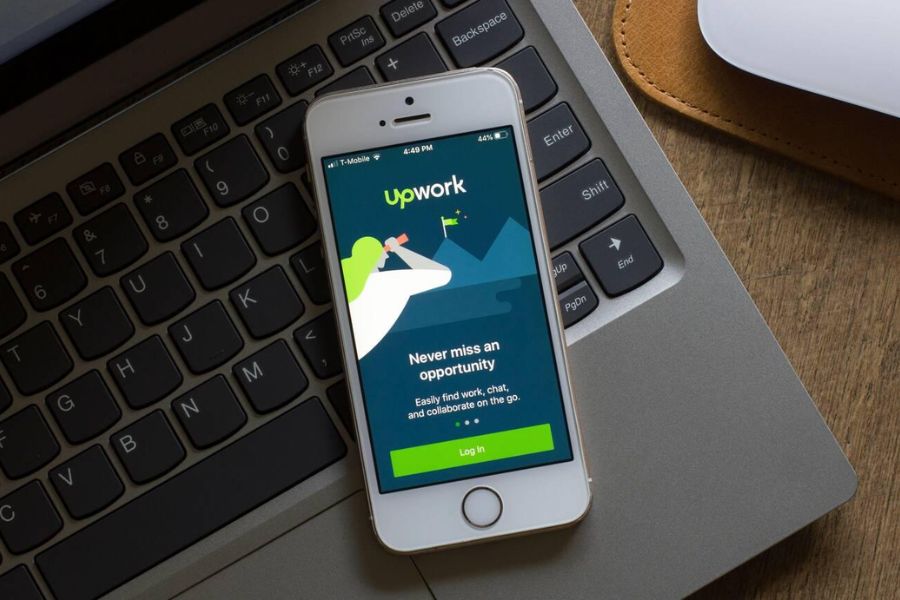
Upwork and Fiverr are my go-to sites for AI gigs. They already have tons of clients looking for help.
On Upwork, I search for “content writing,” “social media management,” or “email marketing.” Clients may not ask for AI, but they want fast results.
Fiverr works differently. I create specific “gigs” for things like:
- AI-powered blog writing ($25-75 per post)
- Social media content bundles ($50-150 per week)
- Email sequence creation ($100-300 per sequence)
I start with lower prices to build reviews. Once I have about 10-15 good reviews, I bump up my rates 50-75%.
Pro tip: Always mention your fast turnaround. AI helps you deliver in hours, not days.
AI-Assisted Copywriting and Email Management
Copy.ai and Jasper have totally changed how I handle writing gigs. I can juggle 3-4 times more clients than before.
For copywriting, I use AI for:
- Website and landing page copy
- Product descriptions
- Facebook and Google ads
- Blog articles
Jasper is my pick for longer content. I feed it the topic and main points, then tweak the output to fit each client.
Copy.ai handles short copy best. Their templates for email subject lines and social posts save me tons of time.
Email management is huge now. I help small businesses set up automated email sequences using AI. I write the emails with Jasper, then help load them into the client’s system.
A typical email project includes:
- Welcome series (5-7 emails)
- Product launch sequence (3-5 emails)
- Re-engagement campaign (2-3 emails)
Tips for Attracting Clients as a Beginner
I focus on the results, not the tools. Clients want more customers and sales—they don’t care which AI platform I used.
My best move is showing before and after samples. I take clunky website copy, rewrite it with AI, and show the difference. That proof wins people over.
I also offer free mini-audits. I’ll review a client’s email sequence or website copy and suggest a few quick fixes. This builds trust fast.
LinkedIn has turned out to be a goldmine for finding clients. I post tips about email marketing and copywriting, and business owners reach out to me.
I always deliver early and throw in a little extra—maybe some bonus posts or extra suggestions. Happy clients refer their friends, and referrals convert for me over 70% of the time.
Starting with lower rates isn’t glamorous, but it gets you rolling. Once you have steady income, you can branch into other AI gigs.
Building Sustainable Income Streams With AI
If you want lasting wealth from AI, you need to move past one-off sales and build systems that make money on autopilot. The trick is to set up repeatable processes that scale, while automating the boring stuff.
Scaling AI Side Hustles for Growth
I’ve learned that growth starts with finding your most profitable offer. Focus on products or services people buy over and over—or tell their friends about.

Create Multiple Revenue Channels
Start with one AI offer, then branch out. If your AI art sells well, add custom design services. If content creation is working, launch a training course.
Build passive income by making digital products that sell themselves. Templates, planners, or presets can earn while you sleep.
Develop Recurring Revenue Models
Turn one-off sales into subscriptions. Instead of selling a single piece of ai-generated art, offer a monthly art pack. Swap project-based writing for ongoing content retainers.
Membership sites work well too. Customers pay monthly for new AI resources, giving you predictable income and higher lifetime value.
Leverage Customer Success Stories
Share your wins. When clients see real results, they become your best marketing.
Build Systems That Scale Without You
Make templates for common requests. Set up standard workflows for your AI projects. Train helpers to handle routine stuff so you can focus on bigger moves.
Automating and Outsourcing Repetitive Tasks
Smart automation lets me serve more clients without burning out. I use AI to wipe out time-wasting tasks that don’t need me personally.
Automate Client Communications
Set up auto-emails for new customers. Use AI chatbots for common questions. Schedule posts with AI-powered tools that keep your brand voice consistent.
Standardize proposals, contracts, and project delivery templates. This keeps things professional and saves hours.
Streamline Content Production
Build content workflows that mix several AI tools. I’ll use one for research, another for writing, and a third for editing. It’s like an assembly line for digital products.
Batch your work. Make several products in one go instead of bouncing between different tasks all day.
Outsource Non-Essential Work
Hire virtual assistants for customer service, order processing, and admin. That frees you up for high-value stuff like strategy.
Bring in freelancers for tasks outside your wheelhouse. Spend your time on what brings in the most money per hour.
Staying Ahead: Trends and Best Practices in AI Money-Making
AI keeps changing fast, so you’ve got to stay nimble and ethical. I’ll help you keep up with the latest trends and build your income streams the right way.
Adapting to AI Innovations
AI technology is moving insanely fast these days. Every week, there’s a new tool popping up, and the ones I already use keep rolling out fresh features.
I try to keep up by following key AI news sources—Product Hunt, a few sharp folks on Twitter, and some tech blogs. That way, I spot new opportunities before everyone jumps on them.
Stay flexible with your methods. Honestly, the AI tools I love today could feel ancient in six months. I’m always testing out new platforms, just to see if they actually improve my workflow.
Learn skills you can transfer. Instead of memorizing where every button lives, I focus on things like prompt engineering and automating workflows. These concepts stick with me, no matter which tool I’m using.
Each month, I review which AI platforms are actually helping my projects. If a new tool boosts my productivity, I’ll switch things up—even if it means ditching an old favorite.
Build more than one income stream. I never want to rely on just one AI method. If a platform changes its pricing or features, I’ve got backups ready to go.
I hang out in a few AI communities on Discord, Reddit, and Facebook. People there drop tips about new features and money-making tricks before they hit the mainstream.
Ethical and Legal Considerations
If you want to make money with AI, you’ve got to play by the rules. I always respect copyright laws and stick to the terms of service for every platform.
Don’t pretend AI-generated content is 100% human-made. These days, clients often ask about AI usage. I’m upfront about my process and how I add value through editing and strategy.

Check commercial use policies for each platform. Some AI tools don’t allow business use on free plans or might require you to give credit for generated content.
Protect client data carefully. When I use AI for client work, I avoid uploading anything sensitive. Many platforms keep your input data for training, so it’s just not worth the risk.
Follow disclosure rules for your income streams. If you’re doing affiliate marketing, add clear disclaimers. Some industries want labels for AI-generated content, so check what applies to you.
Respect intellectual property. I don’t train custom models on copyrighted stuff or copy an artist’s style without permission.
I keep records of which AI tools I use and my expenses. It makes tax season easier and helps if anyone questions whether I’m following the rules.
Frequently Asked Questions
A lot of people ask how to actually earn money with AI tools—especially if they don’t code. Here’s what I’ve learned, from creative side hustles to getting past those early hurdles.
What are creative ways to monetize AI technology for beginners?
Selling AI-generated art on Etsy or Redbubble is a fun way to start. I use tools like MidJourney to whip up designs, then turn them into prints, stickers, or digital downloads.
Another cool idea? Selling AI prompts. People pay for clever ChatGPT prompts that help with specific tasks.
Digital planners, templates, and eBooks are always in demand. I combine AI writing tools with Canva and sell my products on Gumroad.
Starting a YouTube channel with AI-generated content is getting pretty popular too. AI can help script, voice, and even create thumbnails for your videos.
How can non-technical individuals profit from artificial intelligence?
You don’t need to code to use most AI tools. ChatGPT just needs you to type out what you want—no tech background required.
Try content creation. I offer blog posts, social media content, and marketing copy, all with a little help from AI.
Platforms like Fiverr and Upwork are full of clients looking for AI-powered services. Translation, summarizing, or rewriting content? All doable, no coding needed.
Some folks become AI consultants for small businesses. You can help companies save time and money by setting up simple AI tools.
What are the basic steps to start earning with AI if you have no technical skills?
Pick one AI tool and really learn how it works. I started with ChatGPT’s free version to get a feel for how it responds to prompts.
Decide on a specific service or product you want to offer. Don’t try to do everything at once—focus on one thing first.
Make a few samples to show off your skills. A small portfolio helps attract clients or customers.
Set up accounts on places like Etsy, Fiverr, or Upwork. They handle payments and already have audiences looking to buy.
Start with lower prices while you build up reviews. As you gain confidence and get more customers, raise your rates.
Can you make a steady income with AI tools, and how does it work?
Absolutely—you can earn anywhere from $100 a month to a few thousand, depending on your niche and how much effort you put in.
Digital products like templates, prompts, or courses can bring in passive income. Once you make them, they keep selling with little extra work.
Service-based AI gigs are more predictable. Regular content creation or consulting can land you ongoing clients.
Treat AI as a productivity boost, not a replacement for your skills. Clients pay for results and your know-how in using AI well.
Combining product sales with services gives you more stability. That’s how I avoid putting all my eggs in one basket.
What essential AI tools should beginners use to generate revenue?
ChatGPT is my go-to for writing, brainstorming, and creating content. The free version has plenty of features to get started.
Canva now has AI features for design. I use it to make graphics, social posts, and marketing materials that look professional.
For art and images, MidJourney or DALL-E are fantastic. They help me create visuals for all kinds of money-making projects.
Grammarly’s AI boosts my writing quality. It makes sure my AI-generated stuff sounds polished and professional.
Buffer and Hootsuite both offer AI-powered social media tools. If you’re managing social accounts for clients, these are a big help.
How do newcomers overcome the learning curve in using AI for financial gain?
Honestly, the best place to start is YouTube. I’ve found creators who break down AI tools in ways that actually make sense. Free online courses are out there too, and some of them are surprisingly good.Dive into online communities and forums. Folks there don’t hold back on sharing what worked—and what totally flopped—for them. I’ve picked up shortcuts and real-world tips that never show up in official tutorials.
Before you chase clients, mess around with personal projects. I tried out a few ideas just for fun, and it made me way more comfortable when it came time to charge for my work.Don’t try to master every tool at once. Pick one—just one—and get to know it inside and out. Trust me, it’s way better to go deep than to spread yourself thin.Set tiny goals, like making your first $10 or $50. Hitting those small milestones feels awesome and keeps you fired up to keep learning.
