

Eighteen months ago, I stared at my savings account and saw less than $50. Living paycheck to paycheck felt exhausting. Every time my car broke down or a medical bill popped up, I panicked—there was just no safety net. Honestly, the idea of saving thousands seemed like a joke at first. But I decided to try anyway, starting small and promising myself I’d stick with it.
Building a $10,000 emergency fund from scratch is totally doable—even on a tight budget. I managed to go from zero to $10,000 in just a year and a half. Was it easy? No way. But it seriously changed how I feel about money, and I sleep a lot better now.

I set realistic goals, hunted for creative ways to cut expenses, and set up automatic savings transfers so I wouldn’t blow the money on something else. My emergency fund bailed me out twice along the way. Every dollar I stashed felt like a little victory.
If I could do this with a regular job, I’m convinced anyone can.
Key Takeaways
- Start with a manageable goal—maybe $500—and gradually aim for 3-6 months of expenses so you don’t get overwhelmed.
- Automate your savings and use a separate high-yield account so you’re not tempted to dip in.
- Even small weekly deposits add up fast, especially if you throw in tax refunds or side hustle income.
Setting My Emergency Fund Goal
Before I could build my emergency fund, I had to figure out how much money to save. I looked at my monthly expenses and used a few online tools to land on a target that made sense for me.
Calculating Living Expenses and Monthly Needs
I started by tracking every single dollar for a month. Rent, coffee, groceries, you name it—I wrote it down.
My essential monthly expenses:
- Rent: $1,200
- Utilities: $150
- Groceries: $300
- Transportation: $200
- Phone: $50
- Insurance: $180
That totaled $2,080 for the basics. I also tracked wants like eating out and movies, which added another $400.
This exercise was honestly eye-opening. I found forgotten subscriptions and realized how quickly small purchases added up.
I forced myself to be brutally honest about my actual spending, not what I wished I spent. I started with a notebook, then switched to a phone app for convenience.
Using an Emergency Fund Calculator
Once I knew my expenses, I plugged the numbers into an online emergency fund calculator. These tools let me play with different scenarios.
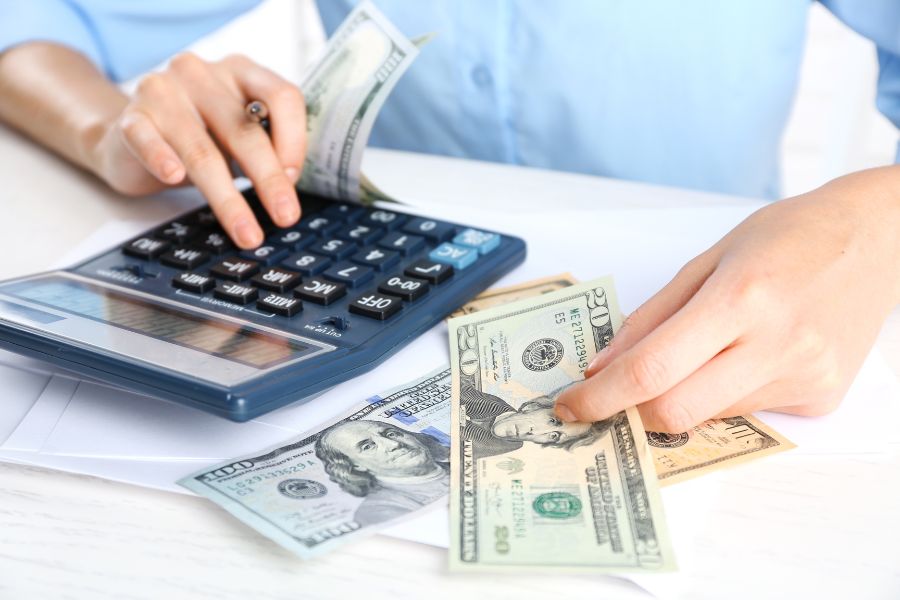
I entered $2,080 as my monthly living expenses. The calculator spit out targets for 3, 6, and 12 months.
Here’s what I got:
- 3 months: $6,240
- 6 months: $12,480
- 12 months: $24,960
I tried a few calculators and got similar results each time. That gave me confidence I was on the right track.
I realized my emergency fund only needed to cover essentials—not nights out or takeout.
Determining the Right Emergency Fund Size
I went with a two-step goal. First, I aimed for $1,000 in three months. That felt doable and would cover most small emergencies.
Next, I set my sights on 6 months of living expenses, or $12,480. Since I work in tech (hello, layoffs), I wanted a bigger cushion.
If you’ve got a super stable job, maybe 3 months is enough. If your income is unpredictable, you might want 9-12 months.
For my 18-month challenge, I needed to save about $694 per month to hit the full $12,480.
Choosing Where to Keep My Emergency Savings
I needed a place for my emergency fund that balanced three things: easy access, FDIC insurance, and a decent interest rate. High-yield savings accounts usually offered better APY than regular savings, and money market accounts gave me some extra flexibility.

Savings Accounts vs. High-Yield Savings Accounts
At first, I kept my emergency money in a regular savings account at my local bank. The interest rate? A sad 0.01% APY.
I quickly realized inflation was eating my savings. My emergency fund wasn’t growing at all.
Then I found high-yield savings accounts. Suddenly, I saw options offering 3.80% to 4.50% APY. Way better than the old bank’s rates.
On $5,000, my old account would’ve earned about fifty cents a year. A high-yield savings account at 4% APY? That’s $200 a year.
Most high-yield options are online banks. No branches, but I could use ATMs and online transfers.
I always checked for FDIC insurance up to $250,000. That’s non-negotiable for peace of mind.
Exploring Money Market Accounts
Money market accounts became my go-to for emergency savings. They offered high interest rates and features like debit card access.
Having a debit card meant I could grab cash from an ATM during a real emergency. No waiting for transfers.
Some accounts even let me write checks. When I had a big expense, I could just write a check from my money market account.
Rates hovered around 3.50% to 4.00%—pretty close to high-yield savings.
Some required higher minimum balances, like $5,000 to get the best rate. Others had no minimums.
Honestly, the flexibility sold me. I could get my money fast and still earn solid interest.
Understanding Interest Rates and APY
Learning about APY (Annual Percentage Yield) made a difference. APY shows the real return, including compounding. Sometimes, the interest rate and APY aren’t the same. APY is more accurate because it counts compounding.
Rates change all the time, depending on what the Fed does. When I started, rates were low. By the end, they’d jumped up. I checked APY changes every month. Some banks offered promo rates, others kept things steady.

Daily compounding gave me a tiny boost over monthly compounding. Every little bit helped. Variable rates meant my earnings weren’t guaranteed. But for an emergency fund, liquidity mattered more than locking in a rate.
Strategies I Used to Build My $10,000 Fund
I relied on four main strategies to keep my savings on track for 18 months. These helped me save steadily, even when life threw curveballs.
Automating My Savings Routine
I set up automatic transfers right after each payday. This way, I didn’t even see the money in my checking account.
Every two weeks, my bank moved $300 into a high-yield savings account at a different bank. Out of sight, out of mind.
Timing mattered. I scheduled transfers for Friday mornings, right after my paycheck landed.
I started small—just $100 per transfer. After three months, I bumped it to $200. By month six, I was up to $300.
My automation rules:
- Same day every pay period
- Fixed amount, no guesswork
- Separate bank for savings
- No debit card attached
Adjusting for Rent, Utilities, and Groceries
I took a hard look at my fixed expenses. Rent: $1,200. Utilities: $150. Groceries: about $400.
Rent and utilities were tough to change, so I targeted groceries first.
By meal planning and buying store brands, I dropped groceries to $300. That freed up $100 a month.
I shaved $30 off my electric bill by adjusting my thermostat and unplugging stuff.
I called my internet provider, threatened to cancel, and got $20 knocked off monthly.
Monthly savings:
- Groceries: $400 → $300 (-$100)
- Electric: $80 → $50 (-$30)
- Internet: $70 → $50 (-$20)
- Total: $150 saved each month
Tracking Progress With Bank Statements
Every Friday, I checked my emergency fund balance. This habit kept me motivated. I printed my bank statements every month and highlighted the new balance in green. Seeing the numbers grow on paper felt real.
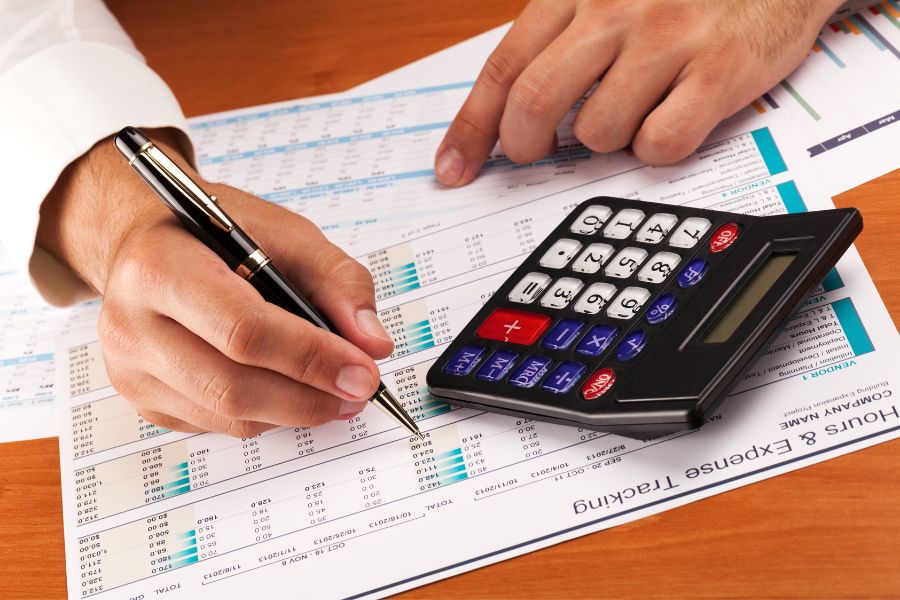
I kept a simple spreadsheet: date, deposit, and balance. Watching myself get closer to $10,000 was oddly satisfying. Whenever I hit a $1,000 milestone, I celebrated. Maybe a fancy coffee or a movie night—nothing wild, just a little treat.
I also measured my savings rate as a percent of income. I started at 8% and worked up to 15% by month twelve.
My tracking system:
- Weekly balance checks
- Monthly printed statements
- Celebrate every $1,000 milestone
- Track savings rate
Handling Unexpected Events Along the Way
Three big surprises almost derailed my plan. Each time, I had to decide: use my emergency fund, or find another way?
At month eight, my car needed $800 of repairs. Instead of dipping into savings, I picked up extra freelance work for six weeks.
At month twelve, a friend’s wedding cost me $600 in travel and gifts. I dropped my automatic savings to $200 for two months to cover it without debt.
When my laptop died at month fifteen, I needed $900 for a replacement. I sold old electronics and furniture for $400, then used a 0% credit card for the rest.
How I kept my fund safe:
- Found extra income first
- Temporarily lowered savings contributions
- Sold stuff I wasn’t using
- Used 0% financing when needed
I treated my emergency fund like it was locked away—only for job loss or real emergencies.
How My Emergency Fund Protected Me
When three major crises hit in a single year, my emergency fund became my financial lifeline. Each challenge tested my savings strategy and reminded me why building that $10,000 cushion was worth every bit of effort.
Managing Job Loss and Reduced Income
Losing my job in month 14 of building my fund? That was the real test. I’d managed to save about $8,500 at that point.
The news hit hard and fast. My whole department got swept up in layoffs, and suddenly my paycheck vanished overnight.
My essential monthly expenses ran $2,800—just rent, utilities, groceries, and insurance. I slashed everything extra right away.
That emergency fund? It absolutely bought me breathing room. I didn’t have to jump at the first lowball offer. I gave myself three months to hunt for something better.
Here’s how I actually used my fund during those months:
- Month 1: I pulled $2,800 from savings and focused on applications.
- Month 2: Another $2,800 gone, but I doubled down on networking.
- Month 3: The last $2,900, and finally, two job offers landed in my inbox.
Because I had that cushion, I negotiated harder. I didn’t settle. I landed a job that paid 15% more than my old one.
Honestly, without those savings, I would’ve panicked. Maybe I’d have taken a pay cut or borrowed from friends. Instead, I actually leveled up my career.
Covering Car Repairs and Other Surprises
Just two months into my new job, my car decided to quit on me. Transmission—totally shot. The repair shop quoted $3,200. That would’ve wrecked my budget before I had savings. Now? Just a pain, not a disaster.

I used my emergency fund’s tier system. I kept $1,000 in checking for quick grabs, and the rest sat in a high-yield savings account.
Here’s how I handled the repair:
- Gathered quotes from three shops
- Picked the best fit without sweating the cost
- Paid upfront—no financing, no extra fees
That year, the fund covered a few other curveballs. My laptop died during a big project, so I spent $800 on a replacement.
Then came a medical scare. Urgent care, insurance, and a $450 bill. None of it spiraled out of control.
Every time I dipped into the fund, I felt grateful. The money did exactly what I’d hoped it would.
Dealing With Mortgage or Rent Payments
Right after the car drama, my rent jumped $300 a month. Perfect timing, right?
My emergency fund had taken a hit, but there was enough left to handle the jump.
I used savings to bridge the gap while I tweaked my budget. That extra $300 meant I had to cut elsewhere.
Here’s what I did:
- Covered the higher rent with savings for three months
- Cut back on dining out and entertainment
- By month four, I found a roommate to split costs
The fund saved me from a housing crisis. I could’ve moved, but that would’ve meant more stress and moving costs. Instead, I bought myself time to find a smarter fix.
When my water heater burst, the landlord handled repairs, but I lost income missing work. I used savings to fill that gap, too.
Rent and housing eat up the biggest chunk of most budgets. Having savings set aside for these expenses kept my life on track.
Frequently Asked Questions
Building a $10,000 emergency fund in 18 months? You’ll need to stash away about $556 a month. Strategic budgeting, automation, and sticking with it made all the difference for me.
How can I save up my first $10,000 efficiently?
I went straight to automating savings after each paycheck. That way, I never got tempted to spend it elsewhere.
I set up automatic transfers—$556 a month, or about $128 a week. Breaking it down made the goal less intimidating.
Every windfall—tax refunds, cash gifts, rebates—went right into my emergency fund.
Selling unused stuff gave me a quick win. I made $800 in three months just clearing out old electronics and furniture.
What strategies can lead to a successful emergency fund?
I separated my emergency fund from my main checking account. That extra step kept me from dipping in for non-emergencies.
A high-yield savings account made a big difference. My money grew faster with interest.
Treating the emergency fund like a bill helped me stay consistent. It became as non-negotiable as rent.
Starting with a small goal—just $1,000—built momentum. Hitting that first milestone in two months gave me confidence to keep going.
Which budgeting tips can accelerate emergency fund growth?
First thing I did? Canceled subscriptions I barely used. Dropping a few streaming services saved me $45 a month.
Meal planning was a game changer. Cooking at home put an extra $200 in my pocket every month.
I stuck to the 50/30/20 rule: 50% for needs, 30% for wants, 20% for savings (including the emergency fund).
Cash-back apps helped too. I pocketed $30-50 extra each month, which went straight to savings.
How much should I aim to save each month to reach my $10,000 goal?
For 18 months, I aimed for $556 a month. That pace gave me a small buffer for months when life got in the way.
Weekly, it broke down to $128. That smaller target felt doable.
Some months, I managed to save more thanks to side gigs or bonuses.
I planned for off months. That buffer meant a single setback didn’t throw me off track.
What are the best saving habits to adopt for building an emergency fund quickly?
Automation was everything. Transfers happened without me thinking about it.
I checked my progress every week. Watching the numbers climb kept me motivated.
I fought lifestyle inflation. Anytime I got a raise, the extra went straight to savings.
Tracking my fund on a simple chart made the progress real. Each month, seeing it grow pushed me to keep going.
How do I stay motivated while saving for an emergency fund over 18 months?
Let me be honest—saving for an emergency fund over a year and a half isn’t exactly thrilling. But I found a few tricks that made the process way more doable, and maybe even a little bit fun.
First, I celebrated every milestone, no matter how small. Hitting $1,000? I treated myself to a fancy coffee. Reaching $2,500 or $5,000 felt huge, so I acknowledged those wins.
Instead of just telling myself “save for emergencies,” I wrote down real-life situations that could pop up. Losing a job, unexpected medical bills, or my car breaking down—suddenly, saving had a purpose I could actually picture.
I didn’t do it alone. Teaming up with a savings buddy kept me on track. We’d check in once a month, swap stories about our progress, and cheer each other on.
Sometimes, when I felt like giving up, I’d imagine the relief of having $10,000 set aside. Just knowing I could tackle a big surprise expense without drowning in debt made all the difference.
Honestly, the journey wasn’t perfect. But breaking it down, sharing it with someone, and keeping my “why” front and center helped me stick with it. Maybe these ideas can help you too.
