

Let’s be honest—credit can feel like a black box, but it’s one of the most powerful financial tools you have. I used to find it totally overwhelming. Did you know about a quarter of folks have errors on their credit reports that could tank their scores? That’s why I keep an eye on mine, and why credit monitoring isn’t just a “nice to have”—it’s a must if you care about your financial future.
Here’s the real scoop: you can monitor your credit for free, and for a lot of people, that’s enough. But paid services toss in some bells and whistles—extra convenience, identity theft protection, and real-time alerts. Sometimes, those perks are worth the monthly fee, but only if you actually use them.
Free options like AnnualCreditReport.com let you grab all three credit reports once a year. Plenty of credit cards toss in free score monitoring too.
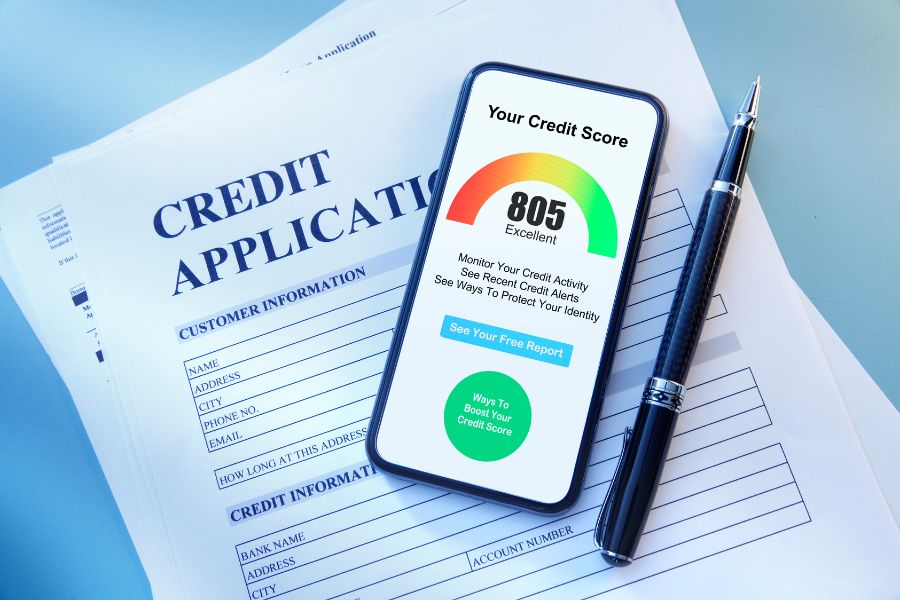
Paid services usually run $10-30 a month. You get real-time alerts, all-bureau monitoring, and beefed-up identity theft coverage. Think about how much hand-holding you want before you open your wallet.
Key Takeaways
- Free credit monitoring covers the basics, but you’ll need to do a little more legwork.
- Paid services handle the heavy lifting—think real-time alerts and identity theft protection.
- Go with what fits your budget, your schedule, and your comfort level with managing credit yourself.
Essentials of Credit Monitoring
Credit monitoring tracks changes to your credit reports and pings you if something fishy pops up. These services team up with the major credit bureaus, so you get updates when your credit file or score changes.
What Credit Monitoring Does and How It Works
When you sign up for credit monitoring, the service automatically checks your credit reports from one or more bureaus. It scans for changes or new activity, like a new account or a hard inquiry. If someone opens a new account in your name, you’ll get an alert. Same for those pesky hard inquiries lenders make.
Here’s what most services watch for:
- New credit accounts
- Lender credit inquiries
- Updates to your personal info
- Score changes
- Negative marks (like late payments)
Most services check your file daily or weekly. They compare your current info to your last report and flag anything new. Once you’re set up, the monitoring runs in the background. You don’t have to remember to do anything.
Types of Alerts and Monitoring
Not all alerts are created equal, so it pays to know what you’re signing up for.
Credit-related alerts:
- New accounts
- Hard credit inquiries
- Changes to your score
- Updates to payment history
- Credit limit adjustments
Identity protection alerts:
- Social Security number monitoring
- Dark web scans
- Public records checks
- Address changes
Some services ping you instantly by email or text. Others send a weekly or monthly summary. Real-time alerts are a lifesaver if someone tries to steal your identity. Monthly reports are great if you’re just tracking your progress. You can usually pick which alerts you want. No one likes notification overload, right?
Role of Major Credit Bureaus
There are three big players: Equifax, Experian, and TransUnion. Each one keeps its own version of your credit report.

Lenders don’t always report to all three, so your info might not match across bureaus.
Why does this matter?
- Monitor just one bureau, and you could miss something big.
- Three-bureau monitoring covers all your bases.
- Free services usually stick to one.
- Paid services typically check all three.
Experian is the most common for free services. Credit Karma, for example, skips Experian entirely. TransUnion and Equifax might show info that’s missing from Experian. If you want the full story, three-bureau monitoring is the way to go.
Understanding Credit Reports and Scores
Your credit report is a snapshot of your financial life. Credit monitoring keeps tabs on changes and how they affect your score.
What’s in your report?
- Personal info
- Payment history
- Balances
- Inquiries
- Public records
Your score (FICO, usually) boils all that down to a number between 300 and 850. Scores bounce around a bit, and that’s normal. Monitoring helps you see what’s moving the needle—like opening a new card, which usually dings your score a little at first.
Not all scores are created equal. Your mortgage lender could see something different than your credit card company. Checking your reports regularly helps you spot mistakes. If you find one, you can dispute it directly with the bureaus.
Comparing Free and Paid Credit Monitoring Services
Free credit monitoring usually covers just one or two bureaus and sends basic alerts. Paid services go all-in: they monitor all three bureaus and toss in identity protection. The trade-off? Coverage versus cost.
Key Differences Between Free and Paid Options
Here’s the kicker: coverage. Free services might check one or two bureaus, but paid options track all three.
Free services like Credit Karma keep tabs on Equifax and TransUnion. Credit Sesame sticks with TransUnion. Experian’s freebie only covers their own reports.

Paid services show you everything. They watch Experian, Equifax, and TransUnion at the same time. Lenders pull from different bureaus, so this matters.
| Feature | Free Services | Paid Services |
|---|---|---|
| Credit Bureau Coverage | 1-2 bureaus | All 3 bureaus |
| Credit Score Updates | Monthly/Weekly | Daily/Real-time |
| Identity Theft Insurance | $0-$50,000 | Up to $1 million |
| Customer Support | Limited | 24/7 support |
| Monthly Cost | $0 | $7-$30 |
Paid services also throw in identity theft insurance (sometimes up to $1 million). Free ones might offer a little, but it’s usually capped at $50,000. Alerts are more detailed on the paid side. Freebies give you the basics—new accounts, score changes. Paid services watch for inquiries, balance changes, and shady activity across the board.
Benefits of Free Credit Monitoring
Free credit monitoring gives you the essentials, no strings attached. You can track your score and catch major issues like new accounts or inquiries.
Credit Karma offers weekly VantageScore updates from two bureaus. You get alerts when something changes, plus tools to chart your progress.
Experian’s free service tracks your FICO score, which is what most lenders care about. You get monthly reports and heads-up about new inquiries or spending changes.
Credit Sesame adds some basic identity monitoring and up to $50,000 in insurance. They’ll even suggest ways to boost your score. If you’re on top of things and check your credit regularly, free services do the trick. They’ll catch the big stuff—like a surprise new account or a sudden score drop.
You don’t pay a dime, but you still get the core features. For anyone just dipping their toe into credit monitoring, free options are honestly enough. The mobile apps are slick and make it easy to check your scores or get alerts. Most of them update weekly or monthly, which is fast enough for most people.
Limitations of Free Credit Monitoring
Free services leave some gaps. The biggest? They don’t cover all three bureaus. If you’re only watching Equifax and TransUnion, you might miss fraud on Experian. That’s a blind spot.
Identity protection is pretty barebones. Most free services skip the heavy-duty insurance or fraud resolution. If someone steals your identity, you’re mostly on your own. Alerts don’t go as deep. Sure, you’ll know about new accounts, but you might not catch subtle stuff like balance changes or inquiries that could signal trouble.
Customer support? It’s limited. Usually, you’re stuck with slow online help and no one to call.
You also miss out on features like credit report locks, dark web monitoring, or family coverage. Those extras can stop identity theft before it starts.
And here’s a quirk: the scores you see might not match what lenders see. Many free services use VantageScore, not FICO. Sometimes, those numbers are way off.
Advantages and Added Features of Paid Credit Monitoring
Paid credit monitoring brings three big wins: full coverage across all bureaus, legit identity theft insurance, and hands-on support if you get hit by fraud.
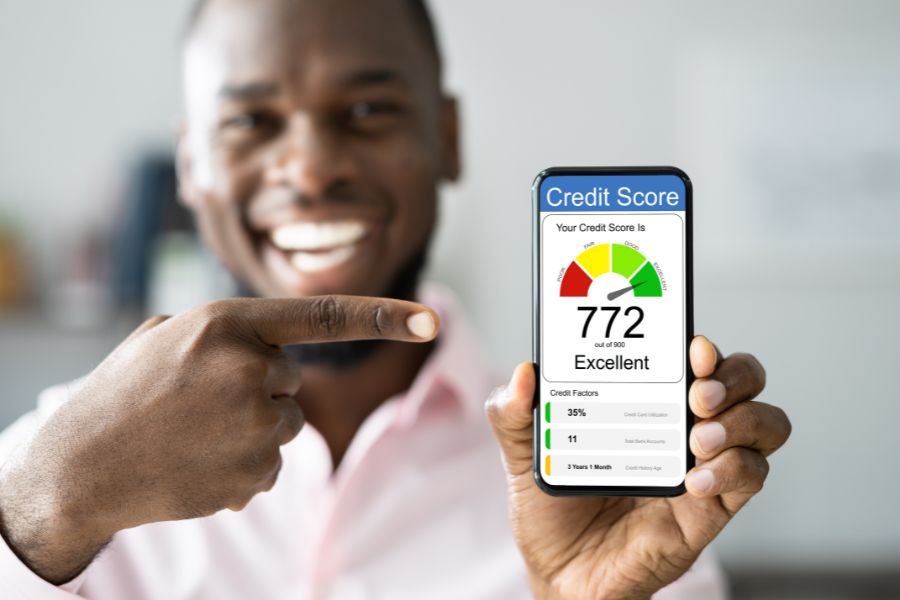
Comprehensive Monitoring Across All Bureaus
With paid services, you get all three bureaus under one roof. Free services rarely do that.
Lenders report to different bureaus. If a scammer opens an account on Experian and you’re not watching, you’ll miss it.
Paid services usually include:
- Real-time alerts from Equifax, Experian, and TransUnion
- Score tracking from all three bureaus
- Full access to your credit reports
- Dark web scans for your info
Most paid services ping you within 24 hours of a change. Some even do it instantly.
A comprehensive approach like this catches problems way faster than checking reports yourself.
Identity Theft Insurance and Protection
Identity theft insurance is where paid services really earn their keep. Free options might warn you, but then you’re left to clean up the mess.
Most paid services cover $25,000 to $1 million in expenses. That means legal fees, lost wages, and document replacement are on them—not you.
Coverage usually includes:
- Legal help and court costs
- Lost wages if you need time off
- Loan application fees if fraud gets you denied
- Notary and mailing costs
- Phone bills from fraud-related calls
This insurance doesn’t cover stolen money (your bank or card handles that). But it does pay for all the headaches and paperwork after a breach.
If you’ve ever dealt with identity theft, you know how valuable this is. Sometimes, it’s worth the peace of mind alone.
Identity Recovery and Support
When identity theft hits, you want someone in your corner. Paid services assign you a fraud specialist to walk you through every step.
Recovery support often includes:
- A personal case manager
- Help filing FTC reports
- Assistance contacting banks and card companies
- Guidance on fraud alerts and credit freezes
- Follow-ups to make sure everything’s fixed
These folks know the ropes and save you hours of paperwork. Without them, recovery can drag on for months.
Support teams handle the tough stuff, so you don’t have to juggle calls and forms on your own.
Deciding Which Credit Monitoring Option Is Right for You
So, which one’s right for you? It really depends how much risk you have and how hands-on you want to be. I always look at my habits, my risk, and my current finances before making a call.
Evaluating Your Financial Health Needs
Your financial health tells you how much monitoring you need. If you’re already checking your credit and have simple finances, free might be all you need.
Go for free monitoring if you:
- Check your score every month
- Keep your finances simple
- Remember to review your reports
- Don’t mind seeing ads
Paid services are better if you:
- Want alerts from all three bureaus
- Juggle lots of cards and loans
- Forget to check your credit
- Need serious identity theft protection
Your credit score matters, too. If you’re above 750, you’re a bigger target for identity thieves. Criminals love high-score victims because they can open bigger lines of credit.
If your score’s not great, monitoring helps you track your progress as you rebuild.
Risk Factors for Identity Theft
Some people are just bigger targets. I’ve noticed certain habits and life situations make you more likely to get hit.
You’re at higher risk if you:
- Shop online a lot
- Use public Wi-Fi
- Have been in a data breach
- Share personal info on social media
- Get tons of pre-approved credit offers
Age plays a role. Folks over 60 lose more money to identity theft, but young adults (18-29) get targeted because they check their credit less.
Your job can put you at risk, too. Healthcare, government, and finance workers face more breaches. If your job handles sensitive info, think about paid monitoring.
Big life changes—like moving, divorcing, or starting college—can spike your risk, too. Mail theft and fraud love chaos.
When to Upgrade Your Protection
I always say, start with free credit monitoring. It’s a no-brainer—why pay for something you might not need yet? But life changes, and sometimes it’s smart to upgrade. When should you make the switch? Honestly, it depends on what’s happening in your world.
Upgrade immediately after:
- You get notified about a data breach.
- You spot suspicious activity on any account.
If you’re applying for a mortgage or a big loan, that’s another moment to step up your protection. The same goes for starting a new business or going through a divorce. These events put your info out there, and you don’t want to take chances.
Your income matters here, too. If you’re pulling in over $75,000 a year, paying $10-25 each month for serious monitoring just makes sense. It’s a small price for peace of mind.
Free services can miss things. Some only watch one bureau, so fraud on the other two might slip through. That’s a risk I’m not willing to take, especially when the stakes are high.
Signs you need better protection:
- You’ve been a fraud victim before.
- Credit cards show up in your mailbox that you never applied for.
If your credit score drops for no clear reason, or you find accounts you didn’t open, don’t ignore it. These are red flags you shouldn’t brush off.
Honestly, peace of mind is priceless. If checking your credit stresses you out or you worry about identity theft all the time, paid monitoring can cut the anxiety and save you hours.
Frequently Asked Questions
I get a lot of questions about free versus paid credit monitoring. Here’s a quick rundown of what you need to know—think of it as your cheat sheet for making a decision.
What Are the Benefits of Using a Paid Credit Monitoring Service Over a Free One?
Paid services let you see all three credit reports—Equifax, TransUnion, and Experian—in one place. Free versions usually stick to just one or two.
With paid monitoring, you’ll get updates more often. Some free services only check weekly or monthly, but paid ones often scan your credit daily.
You also get cool extras like credit score simulators and identity theft insurance. Some even throw in up to $1 million in identity theft coverage.
The alerts? Way more detailed. Instead of vague notifications, you’ll know exactly what changed on your report.
How Can You Ensure Comprehensive Credit Monitoring Across All Three Bureaus?
Pick a service that covers Equifax, TransUnion, and Experian at the same time. A lot of free options only track one bureau, and that’s just not enough.
Or get creative—sign up for different free services, each watching a different bureau. It’s a bit of a patchwork, but it works.
I like to check AnnualCreditReport.com every few months. Grab your Equifax report in January, TransUnion in May, and Experian in September. That way, you’re always in the loop.
Some credit cards offer free monitoring as a perk. See if your card issuer covers a bureau your main service doesn’t.
Which Credit Monitoring Service Provides the Most Accurate FICO Scores?
All legit monitoring services pull FICO scores straight from the bureaus. The real difference comes from which bureau they use.
FICO scores can swing by 20-30 points between bureaus because lenders don’t report everything everywhere. Your Equifax score might not match your TransUnion number, and that’s totally normal.
Look for services that say which FICO version they provide. FICO 8 is the standard, but some lenders use FICO 9 or special versions for car loans and mortgages.
Getting scores from all three bureaus is key. No single service has a magic “more accurate” score if they’re all using the same bureau data.
What Features Should You Look for When Choosing the Best Credit Monitoring Service?
Real-time alerts are a must. You want to know within 24 hours if someone tries to open an account or makes a hard inquiry with your info.
Identity monitoring is a big plus. Good services check the dark web for your personal details and social security number, not just your credit report.
I love tracking my credit score over time. Pick a service that shows your score history and explains what’s moving the needle.
Dispute assistance is a lifesaver when you find errors. Some services will even handle the whole process with the bureaus for you.
Don’t forget about mobile apps. It’s so much easier to get alerts and check your credit on your phone.
Is It Possible to Monitor Your Credit Effectively Without Any Hidden Fees?
Absolutely. You can keep tabs on your credit for free using government-mandated tools. AnnualCreditReport.com gives you free reports from all three bureaus once a year.
Many credit cards offer free credit score monitoring. Just check with your card company to see what’s available.
Of course, free services have limits. They might not send real-time alerts or cover all three bureaus at once.
Always read the fine print. Some “free trials” want your payment info and will auto-charge you if you forget to cancel.
Watch out for upsells. Free services love to pitch paid upgrades, but you don’t have to buy anything to keep your free access.
How Does Experian’s Credit Monitoring Service Compare to Other Providers in the Market?
So, here’s the thing—Experian’s free plan keeps an eye only on your Experian credit report and score. If you’re hoping to see info from TransUnion or Equifax, you’ll need to upgrade.
Once you pay, they unlock all three bureaus and throw in some identity monitoring tools. I actually appreciate how Experian shares more in-depth credit education than a lot of their rivals. It’s like they’re rooting for you to understand what’s happening behind the scenes.
Their mobile app? Super easy to use. I get notifications pretty quickly, though I’ve heard a few folks complain about slower alerts compared to some other apps out there.
Customer service is a bit of a mixed bag. Sometimes you get someone helpful right away, but other times, you might feel like you’re shouting into the void.
Price-wise, Experian keeps things pretty competitive. The real draw is that you’re getting the scoop straight from one of the big three credit bureaus. If you want insights right from the source, it’s hard to argue with that.
