

I remember staring at my bank account, feeling unsure if making my first $1000 online was even possible. Turns out, it is—way more doable than most people think.
Maybe you’re looking for a way out of your 9-to-5 grind. Or you just need some extra cash to pay off those bills. Either way, the internet’s packed with legit ways to earn money fast, and you don’t need fancy degrees or a pile of cash to get started.
The trick? Go after methods that actually fit your skills and pay out quickly—think freelancing, tutoring, or selling digital products. I’ve watched total newbies hit that $1K milestone in just a few weeks. The secret’s all about sticking with real strategies and skipping those “get rich quick” traps.

You don’t have to stick with one thing, either. I like to mix it up: micro-tasks that pay out daily, bigger projects like affiliate marketing that keep the money coming long-term. By the time you finish this guide, you’ll have a real plan to hit $1000 online this month.
Key Takeaways
- Pick money-making options that suit your current skills and can start paying you in days or weeks.
- Combine multiple income streams like freelancing, tutoring, and affiliate marketing to reach $1000 faster.
- Stick with strategies that can keep growing, not just one-off quick fixes.
Choosing the Right Side Hustle
Finding the right side hustle isn’t about luck. It starts with knowing what you’re good at and matching that to what people actually want.
Setting clear income goals keeps me focused. I avoid distractions by targeting real opportunities that pay.
Identifying Your Skills and Interests
Start by writing down what you’re already good at. This simple step saves money and time—no need for expensive courses to get rolling.
Skills worth considering:
Writing or editing
Design or photography
Teaching or tutoring
Technology or coding
Crafts or handmade items
Social media management
Ever notice what friends ask for help with? Those little favors often point to skills you can turn into cash online.
Don’t ignore your interests, either. I’ve seen plenty of folks burn out by chasing gigs they can’t stand. Pick something you’d actually enjoy, even if you weren’t getting paid.
Ask yourself:
- What do I do well that others struggle with?
- Which hobbies could turn into income?
- What problems do I solve for friends or family?
When you match your best skills with something you genuinely like, you’ve got a better shot at building income that lasts.
Evaluating Market Demand
Before I dive in, I always check if people are actually paying for what I want to offer. No point in building something nobody wants.
Google Trends is my go-to for spotting if people are searching for a service. I look for steady or rising interest—if it’s dropping, I move on.
I also check Upwork or Fiverr. If there are tons of people offering the same thing for cheap, I usually skip it. Too much competition makes it tough.
Red flags:
- Cheap providers everywhere
- Dropping prices
- Fads that only last a few weeks
Green lights:
- More people searching
- Higher prices
- Obvious gaps in what’s offered
Social media groups are gold for this. I join Facebook groups in my niche and watch for repeated complaints or requests.
Test the waters first. I like to offer a basic version of my service and see if anyone’s willing to pay.
Setting Realistic Income Goals
I set real, dollar-specific goals with deadlines. “Make extra money” just doesn’t cut it for me.
Monthly targets by effort:
5-10 hours/week: $200-500
10-15 hours/week: $500-1000
15+ hours/week: $1000+
Break that $1000 into smaller goals: $250 a week or about $36 a day. Suddenly, it feels less overwhelming.
Be honest about your schedule. Most people (myself included) overestimate free time and underestimate the effort.
Price your work to meet your goals. If you want $1000 a month and can spare 20 hours, you’ll need to earn $50 an hour.
Some side hustles start slow but ramp up over time. I started freelance writing at $15/hr, but with experience, I raised my rates to $50+.
Track everything. I keep a simple spreadsheet of hours worked and money earned. It’s the only way to see what’s actually making you money.
Proven Methods to Make Your First $1000 Online
You’ve got three main paths to that first $1000: freelancing your skills, selling digital products, or flipping stuff for profit.
Each one needs a different time investment and skill level, but all three can get you results in your first month.
Freelancing Platforms and Opportunities
Freelancing is hands-down the fastest way I’ve seen people reach $1000 online. You could start earning within days of putting up a profile.
Upwork and Fiverr are the big names for beginners. I usually tell people to kick things off with small gigs on Fiverr to rack up reviews.

In-demand services:
Logo design ($25-100 per project)
Content writing ($0.10-0.50 per word)
Virtual assistant tasks ($5-20 per hour)
Social media management ($200-500 per month)
Freelancer and PeoplePerHour are also worth checking out. Focus on one skill at first. It’s tempting to try everything, but it’s better to get known for one thing.
Virtual assistant gigs are great for newbies. Tons of business owners need help with email, schedules, or data entry. Start at $10-15/hr, then bump up your rate as you get better.
Deliver quality work fast. That’s what keeps clients coming back and builds your reputation.
Selling Digital Products and Courses
Digital products take more effort upfront, but they can pay you for months or even years. Once you’ve built them, they basically sell themselves.
Online courses are hot right now on platforms like Teachable and Gumroad. Top topics:
Photography basics
Excel tutorials
Marketing strategies
Fitness programs
Gumroad is perfect for selling simple digital downloads. Templates, checklists, and guides go for $5-50 each.
Etsy is great for printable planners, wedding invites, or art prints. Some sellers pull in $500-2000 a month just from digital downloads.
Start small—a PDF guide on something you know well works. Price it around $10-25 and share it on social media.
No shipping, no inventory, and the profit margins are sweet.
Flipping and Selling Items Online
Flipping stuff is a quick way to get cash if you know what to look for. I’ve helped friends hit $1000+ in their first month just by selling things online.
eBay is still the top spot for almost anything. Electronics, collectibles, and name-brand clothes sell the fastest.
Facebook Marketplace is awesome for local deals. No shipping, and you get paid right away. Hot sellers:
Furniture
Exercise gear
Video games
Home décor
Craigslist is best for big stuff like appliances or outdoor equipment.
Start with stuff you already own. Then hit up thrift stores, garage sales, or clearance racks for bargains.
Always check sold listings before you buy. That shows you what things actually sell for—not just what people are asking.
Electronics or brand-name items usually have the best profit margins. I once flipped a $10 thrift store find for $80. Not bad for a Saturday morning.
Affiliate Marketing and Monetizing Content
Affiliate marketing is a favorite of mine. You earn commissions by sharing special links to products. Join networks like Amazon Associates and start recommending stuff you actually like.
Getting Started with Affiliate Networks
Start with Amazon Associates—it’s the easiest for beginners and has millions of products. You’ll earn 1-10% on every sale through your link.

You just need a website, blog, or YouTube channel with some content. Amazon wants to see you’re legit and not just spamming links.
Other networks worth joining:
ShareASale (lots of brands)
ClickBank (digital products)
CJ Affiliate (big companies)
Sign-up is free, and you get special tracking links. When someone buys, you get paid.
Cookie duration is important. Amazon gives you 24 hours after someone clicks your link. Other networks might give you 30-90 days.
Stick with two or three networks at first. Too many and you’ll lose track of what’s working.
Creating Content That Sells
Focus on problem-solving content, not just sales pitches. I write things like “Best Budget Laptops for Students” or “Kitchen Tools Every Beginner Cook Needs.” These posts help readers and naturally include affiliate links.
On YouTube, I show products in action—unboxings, tutorials, honest reviews. People trust what they can see.
Content that works:
Product comparisons
“Best of” lists
How-to guides
Personal stories
Always disclose affiliate links. I say, “I earn a commission from qualifying purchases at no extra cost to you.” It’s honest and keeps things above board.
Google AdSense can work with affiliate marketing, but in my experience, affiliate commissions pay way better than ad clicks.
Leveraging Sponsored Posts
Sponsored posts pay you upfront to talk about a product. Unlike affiliate marketing, you get paid whether or not anyone buys.
Once I have steady traffic, I reach out to brands. Even with a small audience, local businesses might pay $50-200 for a post.
Here’s how I do it:
- Find brands that fit my readers.
- Email them my traffic stats.
- Pitch specific post ideas.
- List my prices for different types of content.
Sponsored post rates:
1,000-5,000 monthly visitors: $25-100
5,000-25,000 monthly visitors: $100-500
25,000+ monthly visitors: $500+
I always mark sponsored posts clearly. I write, “This post is sponsored by [Brand]” right at the top.
Best move? Mix affiliate links into your sponsored posts (if the brand’s cool with it). You get the upfront payment and possible commissions.
Maximizing Earnings Through Simple Online Tasks
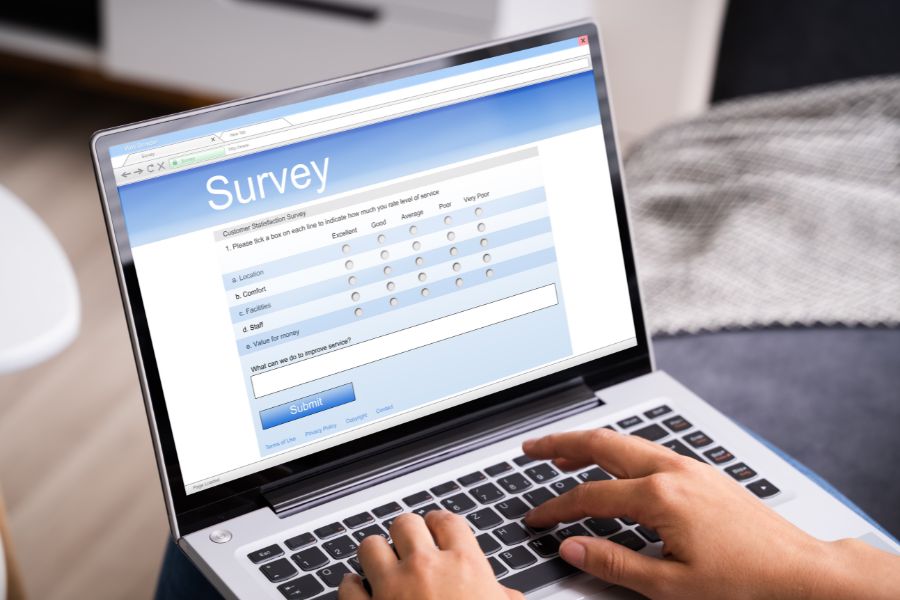
Sometimes, you just want quick wins. Survey sites and micro-tasking platforms are perfect for earning flexible income in your spare time.
Earning with Survey and Cashback Sites
I usually start people off with Swagbucks. You earn points for watching videos, filling out surveys, or shopping. Most surveys pay $1-5 and take 10-20 minutes.
Survey Junkie is all about surveys, and I’ve found they pay better than most. You need 1,000 points for a $10 cash-out.
InboxDollars pays cash, not points. Their surveys range from $0.50 to $3, and you can earn more with cashback shopping or games.
For cashback, Rakuten is my go-to. I get 1-10% back on stuff I’d buy anyway.
Fetch lets you scan grocery receipts for points. Any receipt works, which is pretty cool.
Top earning tips:
Use a few platforms every day.
Fill out profile surveys first for better matches.
Always shop through cashback portals.
Set aside 30-60 minutes daily to keep the money flowing.
Participating in Micro-Tasking Gigs
Micro-tasks pay more per hour than surveys. Amazon Mechanical Turk has small jobs like data entry or transcription—pays range from $0.10 to $5 per task.
I focus on higher-paying gigs first. UserTesting pays $10-60 per test for reviewing websites, and each test only takes 10-20 minutes.
Clickworker offers writing, research, and data gigs. Once you qualify for better jobs, you can pull in $5-15 an hour.
Time management tricks:
Start with easy tasks to boost your approval rating.
Work during peak hours for more available gigs.
Use browser extensions to spot the best-paying jobs.
Track your hourly rate so you know what’s worth your time.
Most people make $100-300 a month from micro-tasks. If you stick with it every day and use several platforms, you might hit $500-800.
So, what’s stopping you? Pick one method, set a goal, and just start. You’ll be surprised how quickly that first $1000 adds up.
Boosting Your Growth with Tutoring and Remote Services
Let’s be real—remote services have become one of the fastest ways to hit your first $1,000 online. If you’ve got a knack for explaining things, online tutoring lets you cash in on what you already know. Got a thing for social media? Plenty of businesses out there are desperate for someone to help them stand out online.
Online Tutoring Platforms
Honestly, I’d start with online tutoring. It’s a no-brainer if you already have some subject knowledge. Most sites don’t even ask for teaching degrees, which is a relief.
Popular platforms to check out:
- Chegg Tutors ($20-$22/hour)
- Wyzant ($30-$60/hour)
- Tutor.com ($10-$16/hour)
- Preply ($10-$40/hour)
Most of these pay weekly, which I love. You get to pick your hours and work from wherever you want.
Subjects that pay best:
- Math and science ($25-$50/hour)
- Test prep (SAT, ACT) ($40-$80/hour)
- Computer programming ($35-$70/hour)
- Foreign languages ($20-$45/hour)
If you want my advice, focus on specialized tutoring gigs. They pay more, and you’ll stand out faster. Make your profile pop with a good photo and a detailed experience section.
Some platforms approve you in as little as 24-48 hours. It’s not unusual to pull in $500-$1,000 a month on just 10-15 hours per week.
Becoming a Social Media Manager
Small business owners? They’re swamped. Most don’t have time to post on Instagram or Facebook, let alone keep up with comments.
What you can offer:
- Daily posts for Instagram, Facebook, Twitter
- Content calendars that keep things organized
- Responding to comments and DMs
- Basic graphics (Canva is your friend)
- Scheduling posts with Buffer or Hootsuite
I usually charge $300-$800 a month per client for basic packages. Most clients only need 5-10 hours a month.
Landing your first client:
- DM local restaurants, salons, or gyms
- Lurk in Facebook groups for small business owners
- Try Upwork or Fiverr to start
- Ask friends if they know any business owners
Offer a free one-week trial—it’s a great way to prove yourself and get your foot in the door. Focus on real engagement: comments and shares matter way more than just follower numbers.
Land just 2-3 steady clients and you’ll hit $1,000 a month. Plus, you can work evenings or weekends—total flexibility.
Tips for Scaling and Sustaining Your Online Income
If you want to turn that first $1,000 into something lasting, reinvesting and diversifying your income are crucial. It’s about building real wealth, not just chasing a quick buck.

Reinvesting Profits for Growth
I always tell people: put at least 30% of what you make back into your business. That’s how you create momentum and keep leveling up.
Where to put your money first:
- Better tools and software
- Marketing or ads
- Courses to sharpen your skills
- Upgrading your website
If you’re running a Shopify store, invest in better product photos or try some paid ads. Those can pay off fast.
For service gigs, maybe grab a new mic or take a $200 course. Sometimes, that’s all it takes to bump your hourly rate.
Set up simple rules:
- 30% goes back into the business
- 20% for taxes (trust me, don’t skip this)
- 50% for yourself
Watch your ROI. If something doesn’t pay off in 90 days, switch it up.
Building Multiple Income Streams
Having multiple income streams is your safety net. I’d say wait until your first stream hits $500 a month before starting another.
Mix and match ideas:
- Sell digital products while offering services
- Run a dropshipping store and teach courses about it
- Freelance write and launch a blog with ads
Passive income is the dream, right? Digital products are awesome because you make them once and sell them forever.
Got a skill? Open an online store for templates or guides. Virtual assistants can sell productivity planners or email templates—super easy to set up.
Income stream order of attack:
- Active income (gets you cash now)
- Semi-passive (courses, memberships)
- Passive (affiliate marketing, digital downloads)
Don’t juggle too many at once. Nail one, then add another. That’s how you build steady, stress-free growth.
Frequently Asked Questions
People always want to know where to start and what actually works for making money online. Here’s what I get asked most about earning your first $1,000 online this month.
What Are the Best Strategies to Earn Your First $1000 Online?
Freelancing your own skills is honestly the quickest way to get started. Writing, design, coding, and even voiceovers are super in-demand.
Affiliate marketing can work once you get the hang of it. You recommend products, and if people buy, you get a cut.
Selling digital products like guides or templates? That can bring in money fast. You make them once, then sell them over and over.
Flipping stuff online is a classic. Start with things lying around your house or hunt for deals at thrift stores.
Which Side Hustles Can Help Me Generate an Extra $1000 This Month?
Virtual assistant gigs pay well and let you work when you want. Lots of businesses need help with emails, scheduling, and basic admin.
Content creation for social media is exploding right now. Companies pay for posts, captions, and short videos.
Online tutoring and coaching calls can net you $25-100 an hour. If you’re good at something, teach it.
Gig economy apps—think delivery or task-based stuff—offer quick cash. The pay depends on your city and how much you hustle.
What Are the Most Reliable Online Platforms to Make Money Quickly?
Upwork and Fiverr are my go-tos for freelancing. They’ve got good payment protection and tons of clients.
Amazon and eBay are great for selling physical products. Millions of buyers scroll through every day.
Google Search affiliate programs can provide steady income. Just follow the rules carefully.
If you want a remote job, FlexJobs lists legit work-from-home positions. Lots of companies hire fast for entry-level roles.
How Can Beginners Start Making Money Online Without Initial Investment?
Sell what you already have—electronics, books, even old clothes. Marketplace apps make it easy.
Use your phone to create content. Businesses pay for videos, posts, or photos.
Join referral programs for apps or services you love. Some companies pay $5-50 per sign-up.
Start a community around your interests on social media. That opens the door to sponsorships later.
What Practical Tips Can Increase Your Online Earnings as a Newbie?
Set clear goals for your weekly earnings. Break them down into simple daily tasks.
Stick to one income method at first. Get good at it before adding more, or you’ll burn out.
Track your time and what you earn. That way, you see what’s actually worth your effort.
Ask your first clients for testimonials. Good reviews help you charge more and attract better gigs.
How Can You Monetize a Skill or Hobby Online for Fast Income?
Dive into Pinterest. Set up accounts that really show off your hobby or niche. I’ve seen folks earn a surprising amount from affiliate links and sponsored pins—it’s not just a pipe dream.
Offer coaching or consultation calls. If you know your stuff, people will pay for your insights. Set your price between $50 and $200 per session, depending on how much experience you bring to the table.
Create tutorial videos or write step-by-step guides. Trust me, people love clear instructions when they’re learning something new. You’d be amazed at how much they’re willing to pay for quality how-tos.
Try CPA (cost-per-action) marketing programs that fit your skills. You’ll get paid when someone signs up for a trial or completes a specific action. It’s a pretty straightforward way to earn if you’ve got an engaged audience.
Honestly, turning a hobby into fast income online isn’t just possible—it’s happening every day. Why not give it a shot?
