

My credit score hovered in the low 600s for what felt like forever. Honestly, I needed a quick fix, but nothing seemed to budge that number. I’d heard whispers about the “authorized user” trick—getting added to someone else’s credit card account—but I didn’t know if it was just internet hype. After some late-night Googling and a few nervous conversations, I decided to try it myself. To my surprise, this one move boosted my score by more than 50 points in just a couple of months.
Here’s the gist: When someone adds you as an authorized user, their positive payment history and low credit usage show up on your credit report—no hard inquiry required. I couldn’t believe how fast my score jumped after my mom put me on her card. Her account had a spotless payment history and a low balance, which made all the difference.

The beauty of this method? It’s 100% legal and doesn’t force you to open new credit or slog through endless applications. I’ll walk you through exactly how I used this strategy to fix my credit score and what you need to know if you’re thinking about it too.
Key Takeaways
- Becoming an authorized user can lift your credit score by 50+ points in a few months—no hard inquiry needed.
- Choose accounts with perfect payment history, low balances, and high limits for the best shot at success.
- This trick works best for people starting out or rebuilding after a rough patch.
How the Authorized User Trick Boosts Your Credit Fast
You get added to someone else’s credit card account, and suddenly their payment history and credit age become part of your story. If the card reports to all three bureaus, your credit score can improve in as little as 30 days.
What Is an Authorized User Strategy?
Think of it like a shortcut: you join someone’s credit card as an authorized user and instantly benefit from their account’s history. When I did this, my credit report started reflecting years of my mom’s responsible payments.
The credit card company sends the account info to Experian, Equifax, and TransUnion. Suddenly, I had a much stronger credit profile.
Why people love this strategy:
- No credit check—just an add-on.
- Immediate access to established credit history.
- Works even if your credit is shaky or nonexistent.
- You can walk away at any time.
You don’t even need the physical card. The history shows up on your credit report automatically.
How Authorized User Accounts Impact Credit Scores
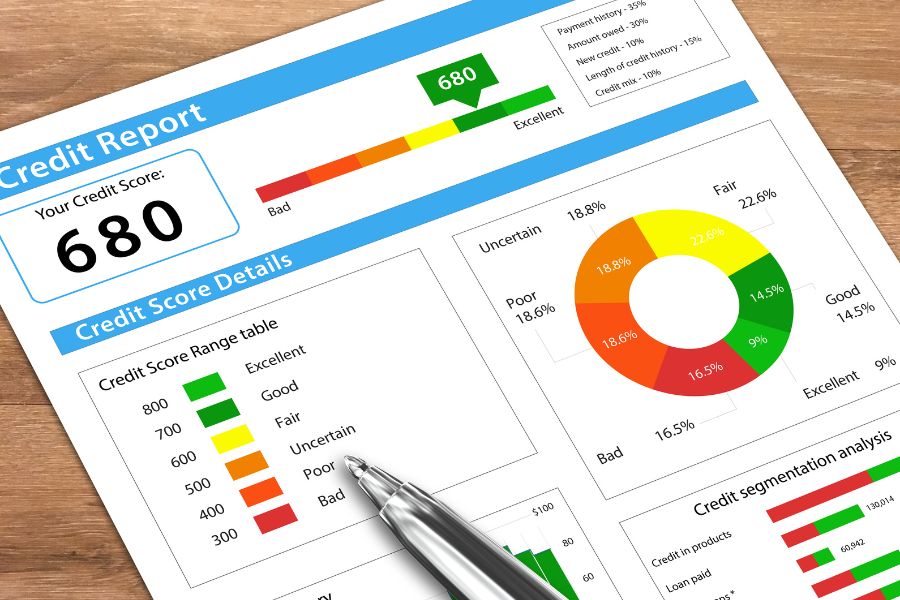
Authorized user accounts affect your credit score by touching several scoring factors. The biggest lift comes from payment history, which makes up 35% of your score.
Payment History: You get all the good (or bad) payment history from that account. If the primary cardholder always pays on time, that’s a win for you.
Credit Age: The account’s age gets folded into your own credit story. Older accounts help your average age, which bumps your score.
Credit Utilization: The account’s credit limit adds to your total available credit, often lowering your credit utilization ratio.
| Credit Factor | Impact | Percentage of Score |
|---|---|---|
| Payment History | High | 35% |
| Credit Age | Medium | 15% |
| Credit Utilization | High | 30% |
Just make sure the account reports to all three bureaus. Some cards don’t, and you want the full benefit.
Credit Score Boost Timeline
The credit card company usually reports to the bureaus once a month, between the 15th and 30th.
Week 1-2: You get added as an authorized user, but nothing shows up yet.
Week 3-6: The account pops up on your credit reports after the card company sends its update.
Week 4-8: Your credit scores refresh with the new info. I usually saw changes within 30-45 days.
The size of your score jump depends on where you start. If you have little credit history, you’ll probably see a bigger leap.
Real-Life Examples of Fast Credit Improvement
I’ve watched friends and family use this trick with jaw-dropping results. My friend with zero credit history saw her score go up by 40 points in just over a month after joining her mom’s 8-year-old card.
Another buddy jumped from 580 to 620 in 30 days. He got added to his brother’s card, which had a $15,000 limit and not a single late payment.
Typical improvement ranges:
- No credit: 30–60 point jump
- Poor credit (300–579): 20–50 points
- Fair credit (580–669): 10–30 points
Accounts with low balances, high limits, and long, clean histories work the best. Cards that are at least two years old with less than 10% utilization? Those are gold.
Young folks with thin credit files often see the most dramatic changes. The new account becomes a major part of their credit history overnight.
Setting Up an Effective Authorized User Account
Success with this strategy really depends on picking someone with excellent credit habits and making sure the account reports to all three bureaus. Don’t just assume it’s automatic—double check!
Finding the Right Primary Account Holder
Not everyone makes a good primary account holder. You want someone who’s never missed a payment and keeps their balances low.

I learned this the hard way. Even one late payment from them can tank your score.
The perfect primary account holder:
- Credit score above 750
- Never maxes out their cards
- Five years (or more) of spotless payments
- Utilization under 10%
I asked my parents first. My mom’s credit card was 15 years old and squeaky clean. That gave me instant credibility.
Trust is huge here. Some people worry that adding an authorized user could backfire. Reassure them—you don’t need the card itself, just the reporting.
Selecting the Best Credit Card Account
Not all credit cards help equally. The best ones have high limits, low balances, and a long, positive history.
I picked my mom’s oldest card with a $20,000 limit and a $500 balance. That kept utilization at 2.5%, which worked wonders for my score.
Look for these features:
- Age: 5+ years is ideal
- Limit: The higher, the better
- Balance: Keep it low
- History: No late payments in the last two years
Skip new accounts and those close to their limits. High utilization can actually hurt you.
Business credit cards usually don’t report authorized users to personal credit files. Stick to major personal cards.
Ensuring Reporting to All Credit Bureaus
Some cards only report to one or two bureaus. That limits your results.
Before you commit, call the credit card company and ask if they report authorized user activity to Experian, Equifax, and TransUnion. If you can, get their answer in writing.
Major issuers that usually report:
- Chase
- Capital One
- Citi
- Bank of America
- American Express
Most big banks report to all three. Smaller banks or store cards sometimes don’t.
I made the mistake of joining a store card that only reported to one bureau. My score budged on just that report. Always check before you leap.
Understanding Rules from Credit Card Issuers
Every credit card company has its own rules. Some require authorized users to be 18, while others are fine with younger folks. Most cards don’t charge for the first authorized user, but some premium cards might tack on a fee for extra users.

The primary cardholder can remove you at any time. If that happens, the account usually vanishes from your credit report within a couple of months.
Check these policies:
- Minimum age to add a user
- Any annual fees for users
- How to add or remove someone
- What info you’ll need
Some cards need your Social Security number to add you. That helps ensure the account appears on your credit report, but it also means the company can track your activity.
Key Factors That Influence Your Credit Score as an Authorized User
Your credit score as an authorized user hinges on how the main cardholder manages their account—and your own credit profile. Credit utilization, payment history, and your current situation all play a part.
Credit Utilization Rate and Credit Limit
The account’s utilization ratio matters a lot. It shows how much of the available credit is being used.
Low utilization helps. If the main cardholder keeps balances under 30%—ideally below 10%—your score will thank you.
High utilization hurts. If they carry big balances, your credit utilization goes up too. That can drag your score down, even though you aren’t spending the money.
A higher credit limit can lower your overall utilization across all accounts. That’s a plus when you’re added to a big-limit card.
Keep an eye on their spending. Their habits affect your credit, like it or not.
Payment History and Late Payments
Payment history is king. The main cardholder’s payment behavior gets copied to your credit report.
On-time payments help. Every month they pay on time, your credit gets a little stronger.
Late payments hurt. If they slip up, that negative mark shows up for you too. Even one late payment can sting.
If things go south, you can ask to be removed. Once that happens, the account usually drops off your report within a couple of months.
I always check my credit report every month to catch any surprises.
Impact on Individuals With Bad or No Credit History
This trick hits differently depending on your starting point. If you have no credit, you’ll probably see the biggest jump.
No credit history? This is a fast way to build one. The new account fills in your payment history and credit mix.
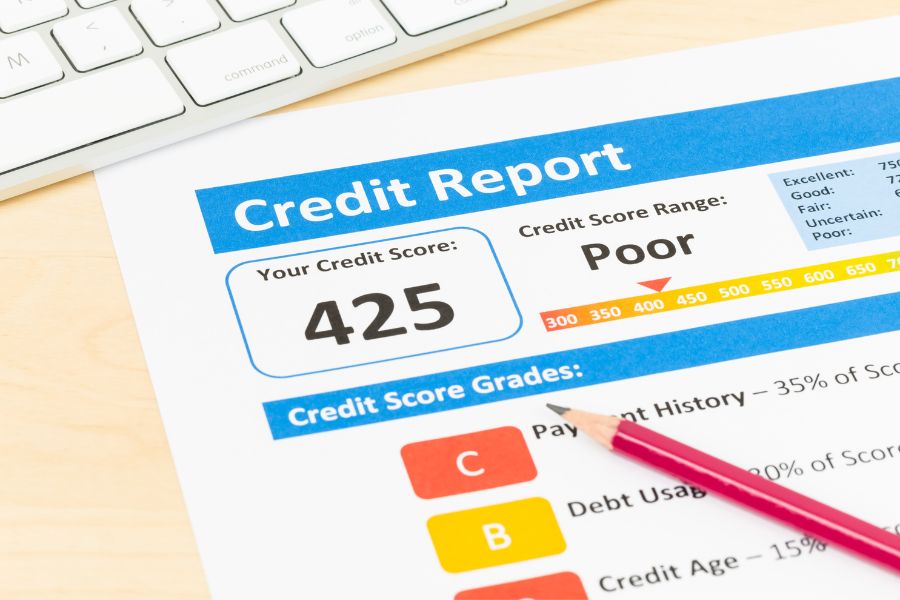
Bad credit? If the new account looks better than your old ones, it can help. But if your credit is really damaged, don’t expect miracles.
After you’re added, the account usually shows up within a month or two. Younger folks or credit newbies tend to see results faster.
Risks, Limitations, and Who Should Use the Authorized User Trick
This strategy isn’t perfect, and it’s not for everyone. You need the right partner and a good understanding of the risks.
Potential Risks and Common Mistakes
The biggest risk? Your score can tank without warning. If the main cardholder misses payments or maxes out the card, you’ll see the fallout on your credit report.
You don’t control how they use the account. If they rack up debt or stop paying, you might not even know until your score drops.
High utilization is another pitfall. If they keep big balances, your utilization goes up, which can actually hurt your score.
Some people forget to monitor their credit after being added. I always tell friends: check your credit report every month.
Relationship drama can creep in too. If things go bad, it can strain your bond with the primary cardholder.
Getting removed can also be tricky if the main cardholder drags their feet or if the card company makes it a hassle.
Limitations of the Strategy
Let’s be real—this trick won’t solve every credit problem. If you already have late payments or collections hanging out on your credit reports, becoming an authorized user probably won’t do much. Mortgage lenders? They dig deeper than just your credit score. Sometimes they ignore authorized user accounts when they’re sizing up your credit history for a home loan.

This move works best if your credit file is pretty thin. If you already have a handful of credit cards, adding yourself as an authorized user on another one won’t move the needle much. Not every credit card company reports authorized users to all three credit bureaus. That limits how much this strategy can help your overall credit.
If you get removed from the account, the boost isn’t permanent. Your score might slip back down once the account vanishes from your reports.
Ideal Candidates for the Authorized User Method
Honestly, this method shines for people just starting to build credit. I’ve seen college students, young adults, and immigrants with no credit history see the biggest jumps.
You’ll need a trustworthy primary cardholder with solid credit habits. Someone with a long payment history, low balances, and a high credit limit makes a great candidate.
If you’re bouncing back from bankruptcy or some other major credit mess, this can help you rebuild faster. It’s a shortcut compared to waiting years for negative marks to fade away.
Family members usually make the best primary cardholders. They’ve got a reason to help you succeed, and there’s already some trust built in.
This move is handy if you need a quick credit boost for something specific—like landing an apartment or snagging better loan terms.
Skip this method if you can’t find someone with spotless credit habits. And if mixing money with personal relationships makes you nervous, it’s probably not worth the risk.
Frequently Asked Questions
Here are some of the questions I get all the time about authorized user strategies. These should give you a clearer picture of what to expect if you’re thinking about it.
How can I significantly boost my credit score in a short period?
Honestly, the fastest way I ever boosted my credit score was becoming an authorized user on someone else’s credit card with a spotless payment history. I started seeing results in about 30–60 days.
Pick an account that’s at least two years old and keeps utilization under 10%. The main cardholder should have zero late payments for the last couple of years.
If you can, ask a family member with great credit to add you. Just make sure they keep their balances low and pay on time—their habits will directly impact your score.
What potential increase can I expect in my credit score after becoming an authorized user?
I’ve seen people jump anywhere from 20 to even 100 points, depending on where they started. Folks with thin credit files or scores below 600 usually see the biggest changes.
Older accounts with higher limits tend to give you better results. Newer cards or those with low limits don’t pack as much punch.
Your starting point matters. If your credit’s already solid, the increase won’t be as dramatic as for someone just getting started.
Can adding an authorized user impact my credit negatively?
Adding an authorized user to my card doesn’t hurt my score by itself. But if I hand them the card and they go wild with spending, my utilization goes up.
High balances can drag my score down, even if I pay on time. I try to keep my total utilization under 30%—that’s my personal rule.
If an authorized user causes me to miss a payment or max out my card, both our scores take a hit. Hard lesson learned.
What are effective strategies for improving my credit score rapidly?
Besides the authorized user trick, I focus on paying down my balances to lower my utilization ratio. That alone can boost your score in just one billing cycle.
I pay bills before the statement closes so the credit bureaus see lower balances. Sometimes I even pay twice a month to keep things extra tidy.
I also ask for credit limit increases on my existing cards. It’s a sneaky way to improve your utilization ratio without spending less.
Why might my credit score decrease after being added as an authorized user?
My score actually dropped once when I got added to an account with high utilization and late payments. That negative history showed up on my report right away.
Some scoring models don’t treat authorized user accounts the same as primary ones. So, when a lender pulls a different score, you might see weird fluctuations.
If the primary cardholder starts missing payments or maxes out the card after adding me, my score takes a hit right alongside theirs. Not fun.
How quickly can I expect to see an authorized user appear on my credit report?
Usually, you’ll spot an authorized user account on your credit report within 30 days after you’re added. Some credit card companies move faster than others, though.
In my experience, the new account tends to pop up with the next statement cycle. Chase and American Express, for example, seem to report pretty quickly. Smaller banks? They might lag behind a bit.
I make it a habit to check my credit report every month, just to make sure the account shows up and all the payment history looks right. It’s a simple step, but it gives me peace of mind.
