

Feeding a family of four for just $300 a month? I know, it sounds wild. But we’ve actually pulled it off for over two years now.
Most American families spend $1,000 or even $1,200 a month on groceries. That used to be us, too. But with a bit of planning and some clever shopping, we’ve slashed our bill—without giving up flavor or nutrition. Every single day, my family of four eats healthy, filling meals on a strict $300 monthly grocery budget. I want to show you exactly how we manage it. We lean hard on meal planning, shop at the right places, and cook from scratch. Over time, grocery budgeting became a habit, not a hassle.
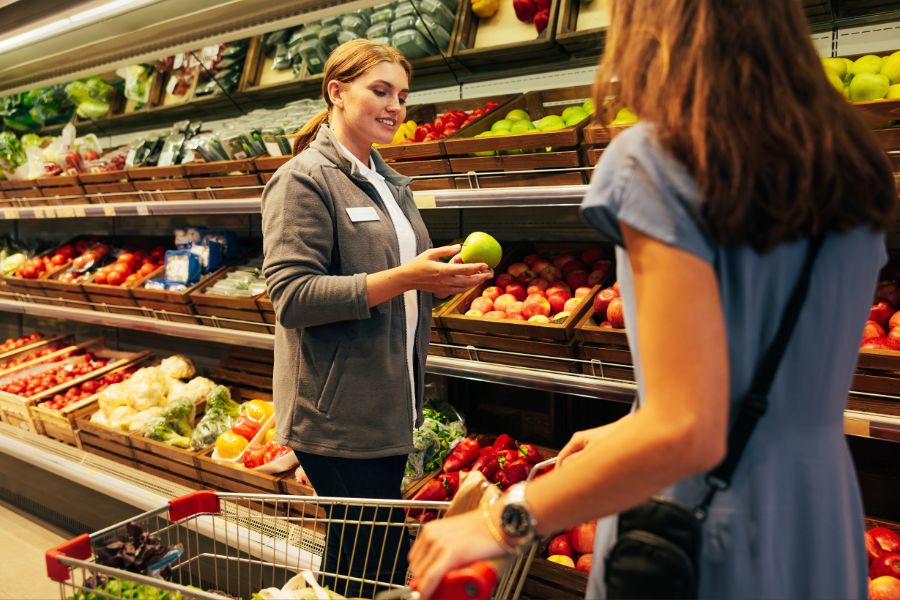
My kids? They don’t even notice we’re on a budget. They still get their favorite treats, we have family dinners, and nobody feels like they’re missing out. Let me break down our favorite strategies, share our go-to meals, and give you real tools to help you shrink your own grocery bill.
Key Takeaways
- Yep, a family of four can eat well on $300 a month—if you plan meals and shop smart.
- Discount stores and homemade meals save a ton more than pre-made foods.
- Simple recipes with staples like rice, beans, and seasonal veggies keep everyone full and happy.
Our Exact Grocery Budget for a Family of 4
We stick to our $300 monthly budget by following strict spending rules and tracking every dollar. I break costs into weekly chunks and use simple tools to keep us on track.
How We Set and Stick to $300/Month
I started out with $350 a month. Turns out, we didn’t need that much. $300 covers all our meals, snacks, and basic household stuff from the grocery store.
My three rules I never break:
- Never shop without a meal plan.
- Shop just three times a month.
- Use grocery pickup to dodge impulse buys.
I plan meals with what we already have first. Then I fill in the gaps with new recipes. That move alone cuts down on waste and saves cash. I shop on the 1st, 10th, and 20th. Fresh stuff lasts about 10 days, so three trips work perfectly. I don’t feel like I live at the store anymore. Grocery pickup changed the game. I see my total before I pay, and if I go over, I just delete something. No surprises.
Monthly and Weekly Spending Breakdown
Each shopping trip, I try to keep it around $100. Here’s how I split it:
| Category | Monthly Amount | Percentage |
|---|---|---|
| Fresh produce | $75 | 25% |
| Meat and protein | $90 | 30% |
| Pantry staples | $60 | 20% |
| Dairy and eggs | $45 | 15% |
| Snacks and extras | $30 | 10% |

Since I shop every 10 days, my weekly average is $75. Sometimes I spend less if I’ve got extra meat in the freezer. Before making my list, I always check what’s left at home. If we’re stocked up, I spend less—sometimes just $80 a trip.
Budget Tracking Tools and Methods
I keep it old-school: a notebook to track my grocery budget. After each trip, I jot down what I spent and keep a running total.
Here’s my simple tracking system:
- Monthly budget: $300
- Trip target: $100
- Actual spending: Write down what I really spent
- Remaining budget: Subtract from the monthly total
I snap a photo of each receipt as backup. At month’s end, I add up all three trips. If I overspend once, I just spend less next time. I jot down what caused the overspend so I can dodge it in the future.
Meal Planning Strategies That Maximize Savings
Smart meal planning can cut your grocery spending by at least 30%. Plus, it helps you waste less food. I focus on affordable meal plans, shopping my pantry first, and tweaking my menu when sales pop up.
Creating Affordable Meal Plans
I plan for the whole month, not just a week. That way, I can buy in bulk when stuff goes on sale. I pick 15-20 base recipes and rotate them. They share similar ingredients, so I buy bigger packs and save. Each week, I center meals around one protein that’s on sale. Chicken is cheap? We’re having chicken stir-fry, soup, and grilled chicken.
Go-to budget meals:
- Beans and rice
- Pasta with simple sauce
- Egg-based dinners
- Homemade soup
- Slow cooker meals
I write down every meal before I shop, so I don’t buy random stuff that doesn’t fit.
Each meal plan lists exactly how much of each ingredient I need. I multiply recipes by how many people are eating, which keeps waste down.
Shopping Your Pantry First
I always check my kitchen before making a grocery list. This step alone saves me $50-75 a month. I keep a pantry list on my phone. Before shopping, I check off what I already have for my planned meals. My pantry list includes expiration dates. I plan meals around what’s expiring soon, so nothing goes to waste.

My pantry check routine:
- Proteins in the freezer
- Canned and dry goods
- Fresh produce that’s about to go
- Condiments and spices
If I find ingredients for a meal I didn’t plan, I swap it into the plan and use up what’s already bought. I always peek in the freezer for forgotten veggies, meat, or leftovers. Those often become the base for new meals.
Adapting Meals to Sales and Seasonal Produce
I don’t stick to my meal plan if better deals show up. Staying flexible saves the most money. Before shopping, I check store flyers online. If ground beef is half price, I swap chicken meals for beef that week.
I plan 3-4 flexible meals each week that can use whatever’s on sale. Stir-fry works with any protein and veggies. Seasonal produce is always cheaper. I buy what’s in season and freeze or preserve the extra.
Seasonal swaps I love:
- Summer: Fresh tomatoes instead of canned
- Fall: Squash and pumpkin sides
- Winter: Root veggies in soups
- Spring: Fresh greens and early veggies
I keep backup meal ideas for surprise sales or clearance finds. If I spot marked-down meat or produce, I know what to make. Store clearance racks are gold mines for 50% off deals. I adjust meals to use up those bargains.
Smart Grocery Shopping Tactics
The right shopping tactics can make or break your budget. Good timing, pickup, and impulse control help stretch every dollar.
Shopping Frequency and Avoiding Extra Trips
I shop once a week to stick to my $75 grocery budget. Extra trips? They cost me $15-25 each time, so I avoid them.
My weekly routine:
- Monday: Plan meals and make a list
- Tuesday: Shop at one main store
- Wednesday-Sunday: No grocery stores
I keep a running list on my phone. If I forget something, I add it for next week—no extra trips.
Only emergencies like milk or bread get me back in the store. I set a $10 limit and buy nothing else.
The results:
- Cut shopping trips from 3 a week to 1
- Saved $60-75 a month on extras
- Spent less gas and time
Using Grocery Pickup and Delivery Wisely
Grocery pickup saves me money when I do it right. The $3-5 fee pays for itself by stopping impulse buys. I use pickup when the kids are sick or weather’s awful. Delivery costs $8-12, so I only use it in emergencies.

Pickup tips:
- Order the night before to skip rush fees
- Double-check your cart before submitting
- Accept subs for sale items only
- Tip $2-3 for good service
Seeing my total before paying helps me stick to the budget. I can delete stuff if it’s too much. Pickup’s great for pantry and frozen foods. For fresh produce, I still shop in person to pick the best.
Managing Impulse Buys and Shopping With Kids
I bring my kids shopping, but we set rules. They each pick one snack under $2.
My kid-friendly strategy:
- Give them a job, like holding the list
- Bring snacks from home to avoid hunger meltdowns
- Shop after meals, never hungry
- Let them help find what’s on the list
We skip the candy and toy aisles. Straight to produce, then follow the plan. For myself, I use the 24-hour rule on impulse buys. If I want something not on the list, I write it down and wait till next week. Cash helps keep me honest. When the envelope’s empty, shopping’s done.
Snack and Meal Ideas on a Tight Budget
Smart meals and snacks help stretch that $300 budget. The trick is picking filling, affordable ingredients you can buy in bulk and reuse.
Sample $300 Monthly Menu
I build our menu around cheap proteins like eggs, chicken thighs, and dried beans. These cost less than $2 per pound and feed us for days.
Weekly Dinner Rotation:
- Monday: Spaghetti with homemade sauce ($3)
- Tuesday: Bean and rice bowls ($2.50)
- Wednesday: Chicken thighs with potatoes ($4)
- Thursday: Egg fried rice with frozen veggies ($2)
- Friday: Homemade pizza on flatbread ($3.50)
- Saturday: Chili with cornbread ($3)
- Sunday: Leftover soup or stew ($2)
Breakfast? Oatmeal, eggs, toast—about $1 per person. Lunches are leftovers or simple sandwiches. I shop sales and plan meals around what’s cheapest. Ground meat on sale? It becomes tacos, spaghetti sauce, or chili.
Affordable and Healthy Snack Choices
Smart snacks keep everyone happy and the budget low. I buy in bulk and portion snacks myself.

Best budget snacks:
- Popcorn kernels (20+ servings for $2)
- Apples with peanut butter
- Homemade trail mix with nuts and raisins
- Hard-boiled eggs
- Carrots with ranch dip
- Crackers and cheese
I buy big tubs of yogurt and add fruit myself—saves about $15 a month. Bananas are less than $1 a pound and perfect for kids. Frozen veggies work for snacks, too. I steam broccoli or carrots and add a little butter or cheese.
Homemade Versus Store-Bought Options
Making food from scratch saves serious money. Store-bought stuff costs 3-4 times more.
Homemade wins here:
- Bread ($0.50 vs $2.50)
- Granola bars ($2 for 20 vs $4 for 8)
- Soup ($1.50 per serving vs $3)
- Pizza dough ($0.75 vs $3 frozen)
I spend one afternoon a week baking muffins, cookies, or granola. The kids love it, and it saves a bundle. Salad dressing? Two minutes, $0.25, and no need to buy $3 bottles. I make big batches of chili, stew, and soup to freeze. Cooking a little extra saves us about $150 a month compared to buying packaged food.
Frequently Asked Questions
Lots of families wonder how to make $300 stretch for four people. Here are some of the most common questions about meal planning, money-saving tips, and smart shopping habits that keep costs way down while keeping everyone well-fed.
How can I plan a healthy and diverse meal menu that stays within a tight budget?
Let’s be real—cheap protein is my go-to. Beans, eggs, and chicken thighs save me a ton compared to pricey cuts of meat.
Each week, I pick three different protein types. Maybe it’s a bean chili, a veggie-packed omelet, and one chicken dish. That way, nobody gets bored, and my wallet doesn’t cry.
Seasonal veggies? Total game changer. I always check what’s on sale first. In the summer, I grab zucchini and tomatoes. When it’s cold, I switch to root veggies and cabbage.
Half my plate at dinner is always veggies. Sometimes I just grab frozen ones—they’re just as healthy, way cheaper, and don’t go bad in a few days.
I fill out meals with rice, pasta, or potatoes. Honestly, rotating between those keeps things interesting and super affordable.
What are the top strategies for saving money on grocery shopping for a family of four?
I only shop three times a month. If I go weekly, I end up with extra snacks and random stuff I don’t need.
Grocery pickup or delivery is a lifesaver. I see the total before I check out, so if I’m over budget, I just take something off.
Shopping while hungry? Big mistake. I always end up with junk food if I do that.
I stick to my list, no matter what. If it’s not on the list, it doesn’t go in my cart.
I always compare unit prices, not just the sticker price. Sometimes the smaller bag is actually a better deal.
Store brands are my secret weapon. They taste the same as name brands, but I save about 25% every trip.
Which budget-friendly staple foods should I always have in my pantry?
Rice is a must. I buy the giant 20-pound bags and use it for everything—stir-fry, burritos, you name it.
Beans are my backup protein. Dried beans are dirt cheap, and I cook a big batch, then freeze extras for later.
Eggs work for literally any meal. They’re filling, packed with protein, and still affordable.
Potatoes are magic. I bake, mash, or fry them, and everyone’s happy.
Pasta saves me on busy nights. It keeps forever and my kids never complain about spaghetti.
Flour means homemade bread, pancakes, or biscuits. Making my own bread costs less than a dollar a loaf.
Oats are my breakfast hero. I get the plain kind in bulk, then add fruit or nuts to keep it interesting.
Can you share tips on minimizing food waste to stretch the grocery budget further?
Before I make a meal plan, I peek in the fridge. I use up anything that’s starting to look sad.
Leftover veggies? I toss them into soup or fried rice. It’s a perfect way to use up random bits.
If I’m not cooking meat in the next two days, I freeze it right away. That way, nothing goes to waste.
Bananas that are too brown for eating go straight into the freezer. Later, I turn them into banana bread or smoothies.
I’ve learned to store produce so it lasts. Herbs go in water like a bouquet. Carrots stay crisp when I wrap them and stash them in the fridge.
Meal planning keeps me from buying doubles. I always check my pantry before I add anything new to the list.
What are the best ways to incorporate coupons and discounts into my meal planning?
I always check store apps before I plan my meals. If chicken’s on sale, I’ll cook chicken more that week.
Matching coupons with sales is where the real savings happen. A $1 coupon on a $3 sale? Now it’s $2.
I build meals around what’s in season and what’s cheap. Summer is for grilling veggies, and winter means hearty stews.
Store loyalty programs send me coupons just for stuff I usually buy. I load them onto my card before I shop.
I don’t let coupons trick me into buying stuff I don’t need. It’s only a deal if I was already planning to grab it.
Cashback apps are easy money. I just scan my receipts after every trip and get a little back. Why not?
How do I balance buying in bulk with ensuring we consume fresh produce before it spoils?
Let’s be honest: buying in bulk feels like a win—until you end up tossing wilted lettuce in the trash. I’ve learned to stock up mostly on foods that can handle some shelf time. Rice, beans, and flour? They’ll hang out in the pantry for months without a fuss.
When it comes to produce, I’ve stopped grabbing those giant bags just because they’re on sale. I only buy what I know I’ll actually eat. Three apples for the week feels way more manageable than a dozen slowly turning mushy in the crisper.
Right after I get home from the store, I prep my veggies. I wash and chop them right away. It sounds like extra work, but trust me, prepped veggies are way more likely to get tossed into a meal before they go bad.
Root veggies are my secret weapon. Carrots and potatoes last way longer than delicate greens, so I don’t mind buying those in bigger quantities. They’re so versatile, too—roast them, mash them, or toss them in a soup.
If I see that something won’t get eaten in time, I throw it in the freezer. Peppers, onions, berries—they all freeze surprisingly well. It’s like hitting pause on spoilage.
I shop for fresh stuff every 10 days or so. Not every week, not every month. That’s my sweet spot for snagging bulk deals but still using everything up before it’s too late.
Managing bulk buys and fresh food is a balancing act, but with a little planning, it’s totally doable. And hey, your wallet (and your fridge) will thank you.
