

Your credit score follows you everywhere—buying a car, renting an apartment, even landing a mortgage. But here’s the wild part: so many folks still trip up because of old credit myths that just won’t die. I’ve watched people lose thousands over bad info and it’s honestly frustrating to see. I’ve had friends swear that checking their credit will tank their score, or that keeping a little debt is actually smart. Nope. These myths don’t just waste your time—they eat away at your money and peace of mind.
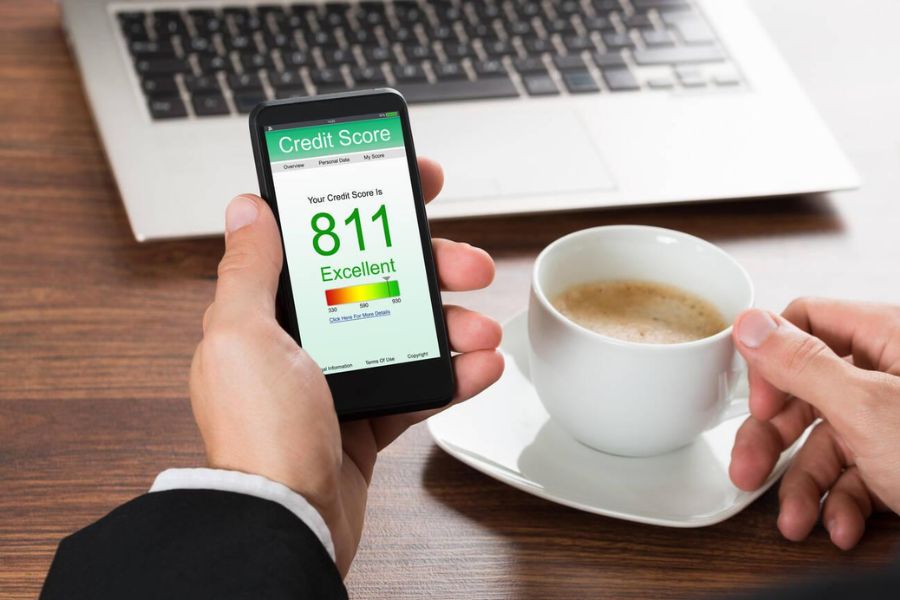
Honestly, credit scores work in ways most people don’t expect. If you get how the system really operates, you’ll save cash on loans, snag better interest rates, and dodge mistakes that could haunt you for years.
Key Takeaways
- Falling for credit myths means higher interest rates and more loan denials—hello, wasted money.
- Your income isn’t part of your credit score, but payment history and debt management definitely are.
- Carrying a balance hurts your score and just hands banks extra interest.
Top Credit Myths That Hurt Your Finances
So, what are the biggest credit lies out there? I see people lose money all the time because they take bad credit advice. Let’s break down the worst offenders.
1. Checking Your Own Credit Score Hurts Your Credit
People tell me all the time, “I don’t check my credit because it’ll drop my score.” That’s one of the most damaging myths floating around. When you check your own credit, you trigger a soft inquiry. Soft inquiries don’t touch your score. Check your credit report every week if you want—it won’t make a dent.
The confusion comes from hard inquiries. Those happen when you apply for new credit cards or loans. Hard pulls can drop your score a couple points, but only for a short while.
Types of Credit Checks:
- Soft Inquiry: You checking your score, pre-approved offers
- Hard Inquiry: Applying for credit cards, mortgages, auto loans
If you avoid checking your credit, you might miss fraud or reporting errors. Identity theft and weird accounts can pop up without you noticing. I always check my credit report every few months—just in case.
2. You Need to Carry a Credit Card Balance to Build Credit
This myth is expensive. I’ve met so many people who carry a balance, thinking it’ll help their credit, but all it does is rack up interest.

You don’t need to pay a penny in interest to build credit. As long as you make on-time payments, your score gets better. What really matters is your credit utilization ratio—how much of your credit you’re using. The sweet spot? Use your card for normal stuff and pay it off every month.
Smart Credit Building Steps:
- Use your card for groceries or gas
- Keep your balance under 30% of your limit
- Pay off the whole bill every month
- Don’t pay interest just for the sake of “building credit”
Making payments on time shows lenders you’re responsible. Carrying a balance just proves you’re okay with giving banks free money.
3. Closing Old Credit Accounts Will Boost Your Score
I’ve seen people rush to close their oldest credit cards, thinking it’ll help their score. Usually, it does the opposite. When you close an account, you instantly lose that credit limit. Suddenly, your credit utilization ratio jumps. Say you had $10,000 in credit and closed a $3,000 card—you’re now down to $7,000 available.
Why Closing Accounts Hurts:
- Less available credit
- Higher credit utilization ratio
- Shorter average account age
- Lost positive payment history
Your credit history’s length is about 15% of your score. Old cards with good payment records help, even if they just sit in your drawer. Instead of closing old cards, keep them open and use them for something small every few months. Pay it off right away to keep the account alive.
I only close cards if the annual fee isn’t worth it anymore. Otherwise, I let them age.
Misconceptions About Scoring and Income
Here’s something that surprises people: your salary doesn’t touch your credit scores, and you’ve got more than one score. Weird, right?
4. Higher Income Means a Better Credit Score
Let’s clear this up. Your income has nothing to do with your credit scores. Credit bureaus like Equifax and TransUnion don’t even know your salary.

They look at five main things:
- Payment history (35% of FICO)
- Credit utilization (30%)
- Length of credit history (15%)
- Credit mix (10%)
- New credit inquiries (10%)
I’ve seen high earners with terrible credit because they miss payments. Meanwhile, folks with modest paychecks can rock an 800+ score by paying bills on time and keeping balances low.
What actually matters: How you handle credit—not how much you make. Lenders will check your income when you apply for loans, but that’s a separate deal.
5. You Only Have One Credit Score
This one messes with a lot of people. You don’t have just one score—you have dozens.
Major scoring models:
- FICO Score 8 (the classic)
- FICO Score 9
- VantageScore 3.0 & 4.0
- Industry-specific scores for cars and mortgages
Each bureau calculates these differently using your credit data. That’s why you might see a 720 here and a 740 there. I don’t sweat the tiny differences. What matters is your overall range. Focus on good habits, not chasing a single magic number.
Debt and Credit Activity Myths
People sometimes think paying off debt wipes it from their credit instantly, or that any card use helps build credit. Not true. These myths can lead to some pretty bad financial decisions.
6. Paying Off Debt Immediately Removes It from Your Credit Report
I’ve watched people pay off old debts and expect them to vanish from their credit reports overnight. Sorry, but that’s not how it works.
When you pay off debt, the account gets marked “paid,” but it sticks around for years.
- Positive accounts (paid on time): stick for 10 years
- Negative accounts (late, collections): hang out for 7 years
- Bankruptcies: 7-10 years
Your payment history matters a lot—35% of your score. Keeping old, paid-off accounts can actually help. Some folks skip paying debts, thinking it won’t matter. That backfires fast. Unpaid debts keep hurting your credit and piling on interest.
7. Debit Cards Help Build Credit
I can’t count how many times people have told me they use their debit card to “build credit.” Sorry, but debit cards don’t report to credit bureaus at all.

When you swipe a debit card, you spend your own cash—no borrowing, no reporting.
What builds credit:
- Credit cards with on-time payments
- Loans (auto, personal, mortgage)
- Credit builder loans
- Being an authorized user on someone else’s card
If you want to build credit, you need to borrow money and pay it back. Credit cards are the easiest way to start, as long as you’re responsible. Debit cards are safe, sure. But they won’t help your credit repair journey or your long-term finances.
Frequently Asked Questions
People lob credit questions at me all the time. Bad info can cost you hundreds—sometimes thousands—in higher interest rates. Let’s tackle the most common ones.
What are the common misconceptions about improving your credit score?
People often think closing credit cards helps their score. Nope—it usually hurts by reducing your available credit.
When you close a card, your utilization ratio goes up. If you have $5,000 in debt and close a card with a $10,000 limit, your ratio suddenly looks a lot worse.
Another myth: you need to carry a balance to build credit. I always tell people to pay off their full balance each month.
Some folks worry that checking their own credit will hurt their score. It won’t. Soft inquiries don’t affect anything.
How do people mistakenly believe their credit card usage affects their credit?
Biggest mistake? Thinking you have to use every card every month. You just need to use them occasionally to keep them open.
Some people believe making minimum payments is better than paying in full. That just wastes money on interest.
The number of cards matters less than how you use them. I’ve seen people with 20 cards and great scores, and others with two cards who struggle.
A few folks think paying before the statement date hides usage from bureaus. It’s more about keeping balances low than timing.
Which credit report myths might be negatively impacting your financial decisions?
I hear people say negative items never fall off their credit reports. Most disappear after seven years.
Others think their income shows up on credit reports. It doesn’t.
Some believe their bank balances affect their score. Unless you overdraft and it goes to collections, checking and savings don’t show up.
People also assume one late payment ruins their credit forever. It hurts, but the impact fades as you establish better habits.
Are there any financial habits you think are beneficial but could actually hurt your credit?
Paying off loans early feels smart, but it can slightly lower your credit mix. Usually not a big deal, but worth knowing.
Closing old cards to dodge annual fees shortens your credit history. Sometimes it’s cheaper to keep the card open than eat the score drop.
Some avoid credit entirely, thinking cash is best. But with no credit history, you’ll struggle to get good rates on big purchases.
Transferring balances between cards too often creates hard inquiries. Each application dings your score a bit.
What essential information is often misunderstood about different credit scores?
Most people don’t realize they have dozens of credit scores. FICO and VantageScore are just the start.
Your mortgage lender might use FICO 5; your credit card company might use FICO 8. Scores can vary by 50 points or more.
Free credit monitoring services often show VantageScore, while lenders usually go with FICO.
A 750 credit score isn’t “excellent” everywhere. Different lenders have their own standards, so don’t get hung up on one number.
What are some truths about credit that debunk popular credit-related falsehoods?
Let’s be real—your credit score isn’t set in stone. It actually shifts almost every day as new info comes in.
It’s just a snapshot of where your credit health stands right now, not a permanent label.
A lot of folks think you need to carry debt to build good credit, but that’s just not true. If you pay your balances in full every month, you’re actually doing your score a favor.
I’ve seen people worry about credit repair companies promising miracles. Honestly, they can’t erase accurate negative marks from your report.
You can dispute errors yourself for free. No need to hand over cash to someone else for something you can handle with a quick online form.
Building credit might sound intimidating, but it’s not rocket science. Just pay your bills on time, keep your balances low, and hang onto those old accounts.
If you stick with those habits, you’ll see your credit improve—no tricks or secrets required.
