

Let’s be real—most teenagers scroll TikTok or game away their evenings. But honestly, some of us figured out how to use ChatGPT to make actual money without leaving our bedrooms. I’m about to spill exactly how I turned AI into a steady $500 a week with 19 hacks you can totally copy.
ChatGPT isn’t just for homework anymore—it’s a legit money-making machine if you use the right tricks for content, services, and digital products. I didn’t have any fancy skills or a big budget. Just a bit of curiosity, a laptop, and a desire to earn some cash while keeping up with school.
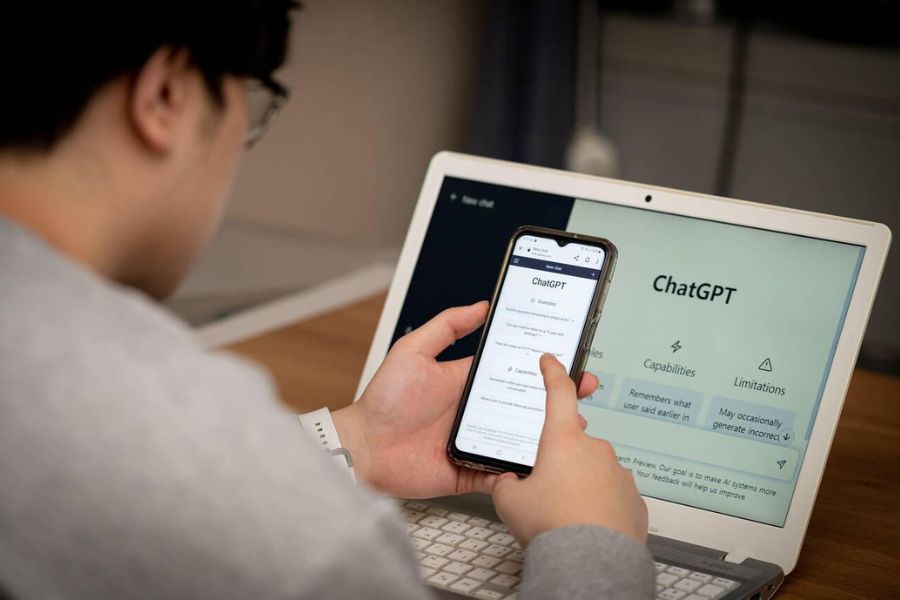
These 19 hacks cover everything from the basics of setting up for success to more advanced ways to scale up and earn across different platforms. I’ll share real-life examples and quick wins that worked for me, even when I was swamped with assignments.
Key Takeaways
- ChatGPT can help you create multiple income streams right from your room.
- Content creation and service gigs powered by AI can bring in steady, weekly cash.
- Teen entrepreneurs can handle online payments and privacy while building a real side hustle.
Essential ChatGPT Setup for Making Money
Getting started with ChatGPT? It’s more than just making an account. A good setup protects your cash, keeps things professional, and lays the groundwork for consistent earnings.
Choosing the Right Tools and Devices
A solid laptop or desktop makes a huge difference if you’re serious about making money with ChatGPT. I tried working from my phone, but honestly, it slowed me down for big projects.
Here’s what I recommend:
- 8GB RAM (trust me, you’ll thank yourself)
- Reliable internet (10 Mbps or more)
- Chrome, Firefox, or Safari browser
- Extra monitor (not essential, but wow, it helps)
I started using a second screen to see prompts and edit outputs at the same time. That little upgrade cut my work time by nearly half.
ChatGPT Plus ($20/month) unlocks GPT-4, faster replies, and priority access. If you land paying clients, it pays for itself pretty quickly.
You’ll want basic editing tools too. Google Docs or Word Online do the job. Grammarly’s free version catches mistakes that ChatGPT sometimes misses.
Setting Up Accounts and Profiles
Separate your work and personal stuff right away. I created a business Gmail (just my name, nothing weird) and it made me look way more legit.
Use an email you’ll have for the long haul—password resets and client messages all go there.
Set up these accounts:
- Main ChatGPT login
- Payment processor (PayPal, Stripe, etc.)
- Freelance profiles (Fiverr, Upwork, Freelancer)
- Pro social media accounts
Heads up: most payment platforms need you to be 18. If you’re underage, ask a parent to help set it up in their name, with their supervision.
Fill out freelance profiles completely. Add a real photo, detailed descriptions, and examples. I got way more messages when my profile looked finished.
Ensuring Privacy and Security
You’ve gotta keep your info safe, especially when handling payments. Use strong, unique passwords for every account. Don’t risk it with repeats.
Password managers like Bitwarden and LastPass (both free) make life easier. They create and store tough passwords so you don’t have to remember them.

Check your browser settings:
- Wipe cookies now and then
- Use incognito for sensitive stuff
- Turn on two-factor authentication everywhere
- Never use public Wi-Fi for money matters
Your IP address can give away your location. It might sound harmless, but I’d rather play it safe—VPNs add a layer of privacy, and free ones usually work fine for basics.
Cookies track your activity. I clear them weekly so ad networks can’t build a profile on me. Most browsers let you block third-party cookies, so turn that on.
Never give clients personal info like your school, home address, or phone number. Google Voice gives you a business number without sharing your real one. And if you’re on video calls, use a virtual background so your room stays private.
Top ChatGPT Money-Making Hacks
ChatGPT really shines when you use it to work faster and better. Here are three ways I turned time into cash by letting AI do the heavy lifting.
Automating Freelance Workflows
Admin tasks used to eat up my day. Now, ChatGPT handles client emails, proposals, and follow-ups in minutes.
I start by letting ChatGPT draft my first client response. Then it reviews project requirements and writes detailed proposals that fit what clients want. It even generates invoices and tracks deadlines.
What I automate:
- Onboarding emails
- Project timelines
- Research and quick data pulls
- Image descriptions for posts
- Meeting notes and action lists
The numbers don’t lie. Tasks that took 30 minutes now take five. I saved eight hours a week just by automating admin work—and used that time to work with more clients.
Crafting High-Converting Prompts
Prompts are everything. A good one gets you paid; a bad one wastes your time.
Instead of “Write a blog post about coffee,” I ask, “Write a 500-word blog for coffee shop owners about three ways to cut wait times, using a friendly, actionable tone.”
A killer prompt includes:
- Word count
- Audience details
- Tone and style
- Format (lists, headers, etc.)
- What you want the content to do
I save my best prompts in a doc. When one works, I reuse it for similar gigs. It keeps my quality up and my clients happy.
Delegating Repetitive Tasks
If you create content or offer services, you know how much time goes into repetitive stuff. ChatGPT takes care of those so you can focus on the fun, creative bits.
I use it for blog outlines, stats research, and first drafts. For social media, it spits out captions and hashtag lists. Resume gigs? It builds the base format, and I just tweak it for each client.
Let ChatGPT handle the structure and research. You come in for the final edit and personal touch. This combo keeps quality high and cuts your work time in half.
What I delegate:
- Product descriptions
- Newsletter drafts
- SEO keyword research
- Content outlines
- Simple code snippets
I easily save 15-20 hours a week by automating the basics. That’s time I put into learning new skills or finding higher-paying clients.
Leveraging ChatGPT for Content and Social Platforms
ChatGPT helps bring your ideas to life across different platforms. It speeds up content creation, grows your social following, and boosts your search ranking—all without needing to be a tech genius.
Creating Sellable Digital Products
Digital products are way easier (and cheaper) to make than physical ones. ChatGPT writes ebook outlines, course scripts, and templates in no time.
One week, I asked it for a 20-page ebook about productivity for students. It gave me chapter titles, main ideas, and full paragraphs. I just added my own stories and cleaned up the language.

Templates sell like crazy on Etsy and Gumroad. I’ve used ChatGPT to make resume templates, social calendars, and budget planners. Just ask it something like, “Make a weekly meal planner with a shopping list section.”
Don’t skip editing. Raw ChatGPT stuff sounds robotic. Add your own voice, tweak awkward lines, and make it feel real.
Building an Audience on Social Media
Consistency wins on social. ChatGPT helps me crank out captions, thread ideas, and scripts for TikTok or Instagram.
I brainstorm 30 post ideas at once with ChatGPT. It suggests trends and formats that fit my niche. If I’m focused on study tips, I get ideas for time management, note-taking, and exam hacks.
Repurpose your content. A blog post becomes a Twitter thread, an Instagram carousel, and a YouTube script. This saves me hours every week.
Brand voice matters. I feed ChatGPT my top posts so it learns my style. Emojis, jokes, and slang keep it sounding human.
Optimizing for Search Engines
Search traffic brings in free visitors. ChatGPT helps me find keywords people actually use.
It suggests blog titles like “7 Free Study Apps for High School Students in 2025” instead of something generic. Specific titles rank better and pull in the right readers.
Meta descriptions count too. ChatGPT writes 150-character blurbs with keywords. These show up in search results and boost clicks.
It also creates FAQ sections that answer common questions. Google loves these for featured snippets, which means more eyes on your site.
Maximizing Earnings with ChatGPT Integrations
Connecting ChatGPT to other tools takes it from a chatbot to an automated money machine. Integrations save tons of time and help keep your business data safe.
Connecting ChatGPT with Automation Tools
Platforms like Zapier and Make let you hook ChatGPT up to hundreds of apps—no coding needed. I set up workflows that auto-generate content, reply to emails, or update spreadsheets.
For example, I linked ChatGPT to Google Sheets for a content calendar. Blog ideas, captions, and product descriptions flow right in—no more copy-paste madness.
Email automation tools like Mailchimp or ConvertKit pair well with ChatGPT. It writes email sequences for different customer types, and the messages send automatically based on what subscribers do.
My favorite combos:
- ChatGPT + Zapier + Twitter (auto-schedule tweets)
- ChatGPT + Make + Shopify (write product descriptions fast)
- ChatGPT + Airtable + Gmail (manage client emails)
Setups take maybe 20 minutes but save me hours every week.
Using APIs for Efficiency
APIs let ChatGPT talk directly to other apps and sites. The ChatGPT API costs a tiny bit per use, but it speeds things up a lot. I use APIs to build custom tools for specific problems.
A typical API setup might cost $0.002 per 1,000 tokens. If you’re bringing in $500 a week, spending $10-20 a month to double your output is a no-brainer.
Discord bots powered by ChatGPT API can run communities. The bot answers questions, moderates, and keeps people engaged. I’ve seen teens charge $50-200 a month to manage Discord servers this way.
WordPress plugins that use the ChatGPT API can auto-create blog posts. Just enter keywords and get full articles without leaving the dashboard.
Tracking and Protecting Your Data
Every time you use AI tools, platforms collect cookies and IP info. They say it’s for service improvements, but I’d rather keep my business strategies private.
A VPN hides your IP and adds privacy. That’s useful when checking out competitors or testing new ideas. Free VPNs exist, but paid ones like NordVPN or Surfshark run faster.

Browsers let you control what gets tracked. I clear cookies after research sessions so platforms can’t map out my habits.
Here’s my quick data safety checklist:
- Use different browser profiles for each project
- Clear cookies after competitor research
- Turn on two-factor authentication for all AI accounts
- Check your API permissions every month
Setting up these protections takes half an hour, but it’s worth it to avoid headaches down the road.
Managing Online Payments and Privacy as a Teen
So, you’re a teen making money online? That’s awesome—but honestly, figuring out how to get paid safely and keep your info private can feel just as tricky as earning the cash in the first place. Digital payment platforms make it super easy to receive money, but they also demand some real attention to privacy and security. I’ve learned this the hard way—trust me, you don’t want to skip these steps.
Receiving Payments Securely
Let’s talk payment platforms. Some, like PayPal, let teens 13 and up open accounts with a parent’s sign-off. Venmo recently jumped on board with teen accounts and built-in parental controls. Cash App, though? You’ve gotta be 18.
A few payment safety habits I swear by:
- Don’t ever share your login with anyone, even if they seem legit.
- Turn on two-factor authentication for every payment app.
- When sending or getting money, use private notes—never public comments.
- Double-check who’s paying you before you do any work.
- Keep your apps updated. Old versions can get you in trouble.
It helps to link your payment account to a parent’s email. That way, you get an extra set of eyes without feeling micromanaged. Remember, digital payments move real money, and if something goes sideways, you probably won’t get it back like you might with a credit card.
Keep only a small amount of money in any bank account connected to payment apps. If someone hacks your account, you’ll limit the damage. I learned that from a friend who lost a chunk of his savings—now I never keep more than I need online.
Complying with Platform Requirements
Let’s be real: most payment and online earning platforms have age rules. If you fake your age, you risk losing your account and your money.
PayPal lets teens use accounts with a parent’s permission. The parent links their account for oversight. Stripe, which lots of freelancers use, only allows users 18 and older.
Quick age-check for popular platforms:
| Platform | Minimum Age | Teen Account Option |
|---|---|---|
| PayPal | 13 with parent | Yes |
| Venmo | 13 with parent | Yes |
| Cash App | 18 | No |
| Stripe | 18 | No |
If you’re under 18, you can use a parent’s account with their okay. The parent gets the payments and sends you your share. This keeps everything above board and avoids awkward surprises.
Some sites might ask for tax info if you earn over a certain amount. Ask your parents to help you figure out what’s needed—you don’t want to get stuck with unexpected paperwork.
Protecting Personal Information
Scammers love targeting teens. Why? Teens sometimes overshare online, and that makes their info easier to grab. If you’re earning money, you’ve got to be extra careful.
Don’t share your full name, address, phone, or school info with clients right away. Set up a professional email that doesn’t give away personal stuff. I use a Google Voice number for clients, so my real phone stays private.

Public payment notes can spill your spending habits or location. Keep all notes private. Lock down your social media profiles, especially if you connect them to your online work.
Stuff you should always keep private:
- Your home address and where you hang out
- School name or schedule
- Full legal name (just use your first name)
- Age and birthday
- Family members’ names
- Daily routines
Check your privacy settings every month. Platforms change things up all the time, and the default is usually “share more.” Ask a parent to review settings with you if you’re not sure.
Use different passwords for every site. If one gets hacked, the rest stay safe. Password managers make it way easier to keep track, and you don’t have to write anything down.
Frequently Asked Questions
You’ve got questions about turning AI skills into real money? You’re not alone. Here are some of the things I wondered about when I first started—and what I’ve learned along the way.
How can teens leverage AI tools to generate income from home?
ChatGPT can be a game-changer. Teens use it to write blog posts, social media captions, or product descriptions. Tons of small businesses need help but can’t hire full-time writers. With AI, a 16-year-old can work faster and take on more gigs.
Tutoring is another smart move. You can use ChatGPT to whip up study guides or practice questions for younger students. Parents will pay for quality help, and AI takes a lot of the grunt work out of prep.
You could also try virtual assistant work. Teens help business owners with emails, scheduling, or basic customer service. ChatGPT drafts messages and handles repetitive tasks, so you don’t have to.
What are some effective strategies for monetizing ChatGPT skills?
Freelance sites like Fiverr or Upwork let you sell your services. Set up gigs for resume writing, cover letters, or social media posts. Use ChatGPT to create drafts, then tweak them for each client.
I’ve noticed that package deals get more bites than hourly rates. Try offering “5 Instagram captions for $15” or “3 blog outlines for $25.” Clients like knowing exactly what they’ll get.
A portfolio matters way more than fancy credentials. Make a few samples with ChatGPT, post them on a simple website or Google Doc, and show clients what you can do.
Can you share creative ways for young entrepreneurs to use chatbots for business?
Some teens build custom GPTs for specific interests. If you’re into fitness, create a workout planning chatbot and charge a small monthly fee. Others design “study buddy” bots for school subjects or test prep.
Content repurposing is a hidden gem. Take a client’s podcast or YouTube video and use ChatGPT to turn it into blog posts, social threads, or newsletters. Business owners love saving time.
Writing email newsletters is another cool niche. You can manage newsletters for local shops or online creators. ChatGPT handles the drafts, and you add the personal touches that make each message unique.
What step-by-step methods lead to earning money through chat-based services?
Start by picking one thing to offer. “LinkedIn post writing for coaches” works better than trying to do everything at once. A narrow focus makes it easier to market yourself and get good fast.
Make three to five samples using ChatGPT. Edit them until they shine. Put them in a portfolio—nothing fancy, just something clients can see.
Reach out directly to 10-20 potential clients. DM small business owners, email local companies, or post in Facebook groups where your audience hangs out. Waiting for clients to come to you takes forever.
Once you land your first gig, do your best work and ask for a testimonial. That review is gold. Each happy client makes it easier to get the next one.
What are the ethical considerations for teenagers starting an online business with AI?
Be honest about using AI. Let clients know you use ChatGPT as a tool, just like a designer uses Photoshop. Most people care about results, but being upfront builds trust.
Always double-check and edit AI content before sending it off. ChatGPT can make mistakes or sound generic. Your job is to fact-check, add personality, and make sure the end product is actually useful.
Never skip plagiarism checks. Even though ChatGPT writes original stuff, you need to make sure you’re not copying anyone else—especially for school-related gigs.
Privacy is huge. Never put clients’ sensitive info into ChatGPT. Keep personal and financial details safe, no matter what.
How can a beginner set up a profitable project using ChatGPT?
Let’s be real: the first step is spotting a problem people actually care enough about to pay for. I’ve seen local restaurants scrambling for catchy menu descriptions. Real estate agents? They’re always chasing fresh, snappy property listings. And don’t even get me started on online coaches—they’re hungry for social media content. Just pick one problem that stands out.
Honestly, you don’t need to go big right away. I’d test the waters by offering free or super cheap work. For example, write five social media posts for a local business at a discount. It’s low risk, you get to learn, and if things go well, you walk away with a solid testimonial.
Keep your systems simple. I’ve found that PayPal or Venmo handle payments just fine. Communicate through email, or try a free tool like Trello to stay organized. No need to blow your budget on fancy software—teens and beginners can skip all that.
Don’t fall into the trap of pricing by the hour. Clients care about results, not how long you spend. If ChatGPT lets you finish a job in 30 minutes that saves a client hours of hassle, charge what it’s worth. Value matters more than clock-watching.
Track everything. I jot down which services actually sell, which clients pay on time, and what kind of work feels doable. Those notes help me double down on what’s profitable and ditch what drains my time.
With a little creativity and a willingness to experiment, you can turn ChatGPT into a real moneymaker—even if you’re just starting out.
